Corn Fields to Kill Feeds: How Rural America's Rogue Esports Scene Is Embarrassing the Big Leagues
Corn Fields to Kill Feeds: How Rural America's Rogue Esports Scene Is Embarrassing the Big Leagues
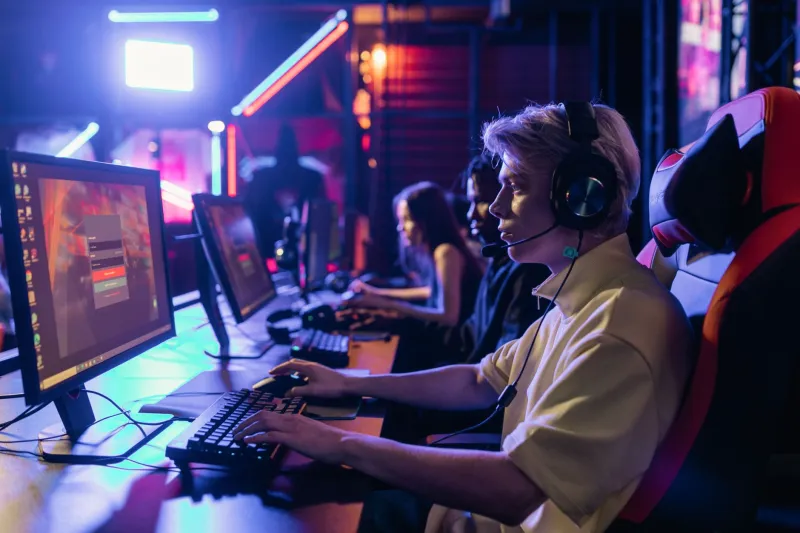
There's a tournament happening this weekend in Harlan, Iowa. Population: 5,000. Prize pool: assembled through bake sales, local business sponsorships, and a GoFundMe that somehow hit its goal in 72 hours. Attendance: more per capita than any ESL event you watched from your couch last month.
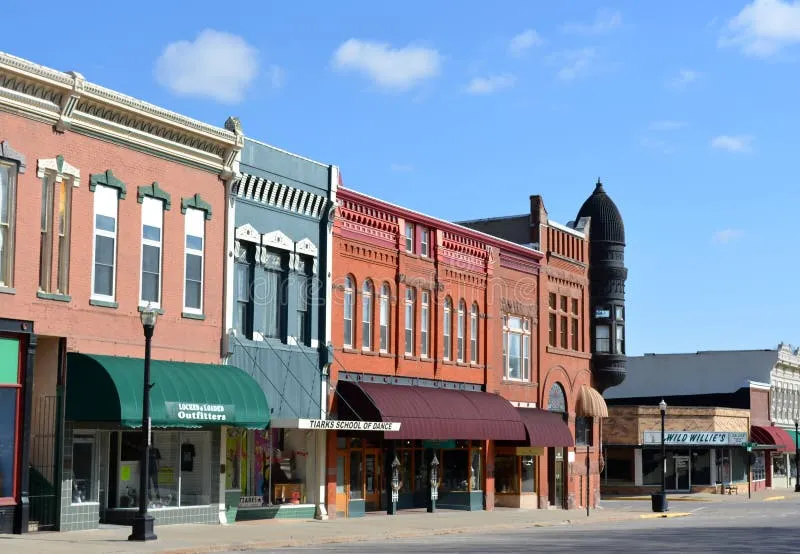 Photo: Harlan, Iowa, via thumbs.dreamstime.com
Nobody from the major leagues sent a scout. Nobody from a content network sent a camera crew. And yet, the competition is real, the rivalries are fierce, and the community is thriving in ways that would make a venture-capital-backed esports org weep into its cold brew.
Welcome to the grassroots esports revolution. Population: everyone the big guys forgot.
The Scene Nobody Built For Them
When Marcus Tillman started organizing Flatlands Fight Night in Beatrice, Nebraska three years ago, his budget was $40 and a borrowed extension cord. He used a Facebook group to recruit players, a local pizza shop's back room as a venue, and his own gaming monitor as the prize. Sixteen people showed up. Twelve of them had never competed in anything resembling an organized tournament.
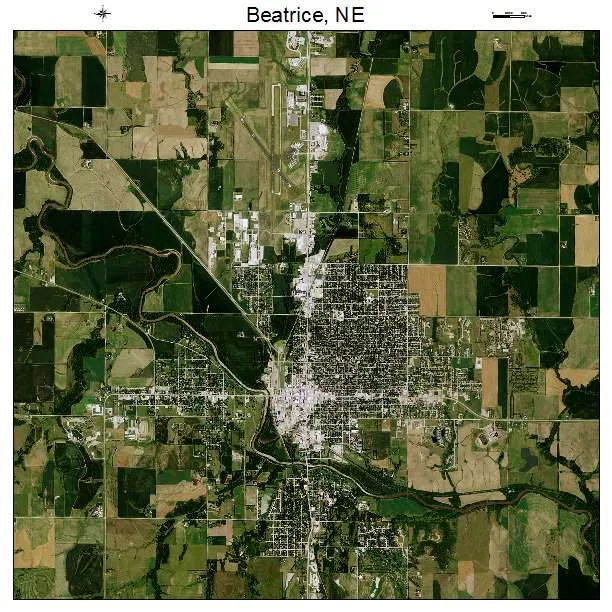 Photo: Beatrice, Nebraska, via www.landsat.com
Today, Flatlands Fight Night draws over 200 participants across multiple game titles, has a waiting list for vendor tables, and just signed its first regional sponsor — a local auto dealership that, in their words, "just wanted to be part of something people actually cared about."
That last part is key. People actually care.
In cities, esports organizations compete for attention against every other form of entertainment known to humankind. In Beatrice, Nebraska, Flatlands Fight Night is the entertainment. The stakes feel personal because the players are your neighbors, your classmates, the guy who fixed your truck last Tuesday.
Regional Rivalries That Would Make the SEC Jealous
Ask anyone in the grassroots esports community what makes their scene special and they'll say the same thing within about thirty seconds: the rivalries.
In the Mississippi Delta, a loose confederation of small-town gaming clubs has developed a regional ladder system for Rocket League that now spans four counties. Two towns — Clarksdale and Greenwood — have developed a competitive grudge so deep that their matchups draw more local spectators than the high school football rivalry game. (We're not naming names on that claim, but the people involved know who they are.)
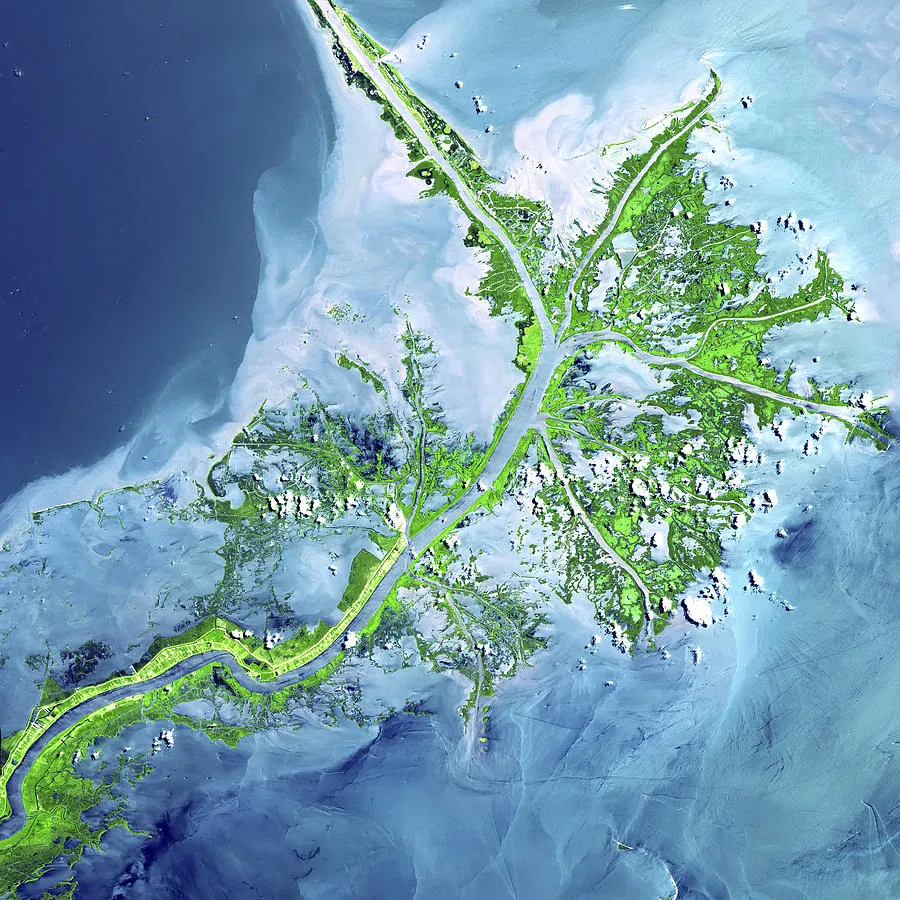 Photo: Mississippi Delta, via images.fineartamerica.com
In rural Oregon, a group of farming-community gamers built a Valorant circuit called the Cascade Cup that operates with more organizational transparency and scheduling consistency than some professional leagues we could mention. They publish standings weekly. They have a dispute resolution process. They have bylaws.
These aren't flukes. They're what happens when people who genuinely love something build it without anyone telling them what it's supposed to look like.
What the Big Leagues Are Quietly Stealing
Here's where it gets interesting — and a little ironic.
Several major esports organizations have quietly begun sending representatives to grassroots events. Not to compete. Not to recruit. To observe. Specifically, they're studying how these communities maintain engagement between events, how they structure prize distribution to keep lower-ranked players invested, and how they generate genuine local media coverage without a PR budget.
One tournament organizer in central Texas — who asked to remain anonymous because he didn't want the attention — described getting a call from a rep at a well-known esports league asking how he kept his Discord server "so active between events." His answer: "I just actually talk to people in it."
The big organizations built platforms. The small towns built communities. Turns out those are very different things.
The Player Development Pipeline Nobody Talks About
Beyond community, there's a competitive development story here that deserves serious attention.
Grassroots scenes are producing players who arrive at larger competitions with something that polished academy programs struggle to manufacture: pressure experience. When you've been playing in front of your entire town — people who will see you at the grocery store Monday morning — the mental load of high-stakes competition hits differently. You either develop composure or you quit early. The ones who stick around are often quietly formidable.
Coaches at collegiate esports programs have started noticing that recruits from grassroots backgrounds frequently adapt faster to team environments and handle losing streaks better than players who came up through more insulated, resource-heavy pipelines.
Nobody handed these players a practice schedule, a sports psychologist, or a branded team jersey. They figured it out in a church basement in Abilene, Texas, and that self-sufficiency apparently transfers.
The Part That Should Make Everyone Uncomfortable
For all its charm, the grassroots scene has a problem that mirrors the broader gaming industry: it's not always welcoming to everyone.
Women and non-binary players in rural esports scenes frequently report having to work harder to be taken seriously in competition. The same social dynamics that exist in small-town life don't magically disappear when you boot up a game. Several organizers are actively working on this — instituting codes of conduct, creating open divisions, moderating their communities with real intention — but the work is ongoing and the progress is uneven.
The scene is extraordinary. It's also still human, which means it carries human baggage.
Why This Matters Beyond the Leaderboard
Here's the bottom line: esports always told a story about democratizing competition — anyone with skill could rise, regardless of background or geography. The corporate version of that story required a $200 headset, a fiber connection, and proximity to a major metropolitan area.
The grassroots version actually delivered on the promise.
In towns where there's one stoplight and the nearest GameStop closed in 2019, these communities are giving young people structure, competition, mentorship, and belonging. That's not a small thing. That's actually the whole thing.
The big leagues can keep their neon signs. The most important esports scene in America right now might be happening in a converted feed store in a town that doesn't have its own exit ramp.
And it's absolutely slapping.