Broke and Winning: How Zero-Dollar Gaming Setups Are Humiliating Your $3K Battle Station
Photo: Stefanpavelka, CC BY 4.0, via Wikimedia Commons
Let's talk about the most uncomfortable truth in gaming right now: somewhere out there, a teenager playing on a five-year-old laptop through Xbox Cloud Gaming is absolutely dismantling someone who spent $3,000 on a custom rig with liquid cooling, a 240Hz monitor, and a chair that costs more than most people's rent.
And that teenager? Couldn't care less about your setup.
The gear-worship era of gaming — that golden age of unboxing videos, spec-bragging Reddit threads, and the quiet judgment of anyone rocking a last-gen GPU — is running headfirst into a wall. That wall is cloud gaming, and it's got a lot of people asking a very uncomfortable question: what exactly are we paying for?
The Cloud Just Called. It Wants Your Receipts.
Xbox Cloud Gaming (xCloud) and NVIDIA's GeForce NOW are the two biggest names in a space that's quietly been eating the hardware industry's lunch for the past two years. The pitch is almost offensively simple: stream the game from a server farm somewhere, play it on literally whatever screen you have, and skip the part where you spend four months on a waiting list for a graphics card.
xCloud comes bundled with Xbox Game Pass Ultimate — which runs about $15 a month and includes access to hundreds of titles — meaning your total hardware investment can be a phone, a $30 controller clip from Amazon, and a Wi-Fi password you've already memorized. GeForce NOW takes a different approach, letting you connect your existing game library from Steam or Epic to cloud-powered hardware, with a free tier that actually works and a premium tier that'll run you about $20 a month for RTX 4080-class performance.
RTX 4080-class performance. For twenty bucks. Monthly.
Meanwhile, the actual RTX 4080 will set you back somewhere north of $700. You do the math. Actually, don't — it'll make you feel worse about your life choices.
Skill Doesn't Have a Price Tag (And It Never Did)
Here's what the hardware cult has been quietly ignoring: the performance gap between a mid-tier and high-tier setup in most competitive games is measured in milliseconds that the human brain genuinely cannot process. The gap between a bad player and a good one? That's measured in months of practice, game sense, and the kind of stubborn pattern recognition that no amount of spending can shortcut.
Pro players have been proving this for years. There's a long and storied tradition of top-ranked competitors intentionally smurfing on terrible hardware just to make a point — and making it very, very convincingly. Shroud famously wrecked lobbies on stream setups that most casual gamers would've returned to Best Buy. Tyler1 climbed to Challenger in League of Legends on what he described as a 'potato.' The point wasn't the equipment. It never was.
 Photo: Best Buy, via thumbs.dreamstime.com
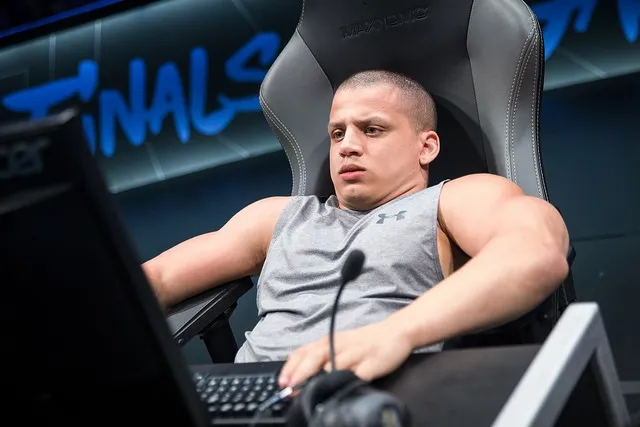 Photo: Tyler1, via liquipedia.net
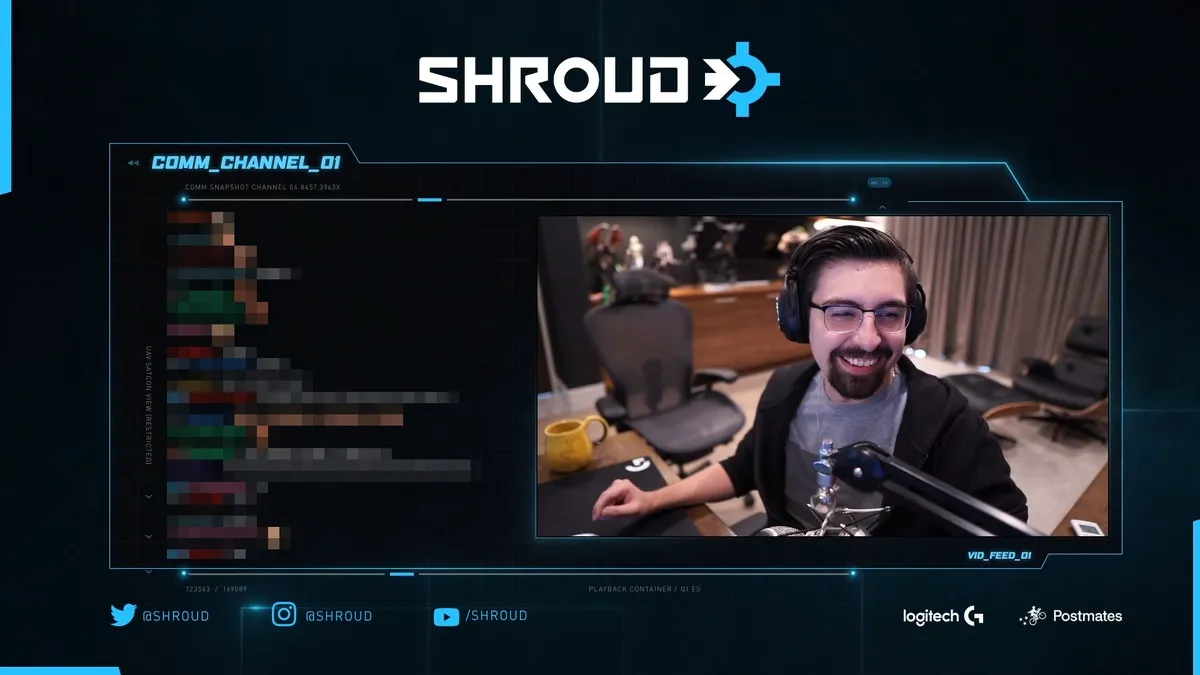 Photo: Shroud, via s2-ge.glbimg.com
The zero-dollar movement (or close to it) is just making this reality democratically available. Platforms like Shadow, Boosteroid, and Amazon Luna are piling into the space, and the competition is keeping prices low and quality surprisingly high. Meanwhile, free-to-play juggernauts like Fortnite, Valorant, and Warzone already cost nothing to download — pair them with cloud access and you've got a fully competitive gaming life for the price of a couple streaming subscriptions.
The Borrowed Hardware Underground
Beyond cloud platforms, there's a scrappier movement that doesn't even bother with subscriptions. Call it the borrowed hardware underground — gamers who rotate through library gaming stations, university computer labs, workplace machines during lunch breaks, and friends' setups to stay competitive without ever committing a dollar to a personal rig.
Public libraries across the country have been quietly building out gaming infrastructure (we've covered this before), and the gamers taking advantage of these resources aren't just casual players killing time. Some of them are actively grinding ranked queues, practicing for local tournaments, and building streaming audiences — all from a library desktop that's technically also used for printing resumes.
There's something genuinely poetic about that, if you're willing to let it be.
The Industry Is Starting to Sweat
Hardware manufacturers aren't oblivious to this shift. The gaming PC market saw its first significant sales dip in years recently, and while multiple factors are at play, the cloud gaming narrative keeps coming up in analyst reports like an uninvited guest at a LAN party.
The response from the hardware side has been predictable: double down on the premium experience, emphasize the things cloud gaming can't replicate (input latency being the most legitimate concern), and hope that the enthusiast market stays enthusiastic enough to carry the numbers.
And to be fair — input latency is real. For the absolute top tier of competitive play, a cloud connection does introduce variables that a local machine doesn't. If you're trying to go pro in a fighting game where frames are everything, this matters. But for the vast, overwhelming majority of gamers — the ones playing casually competitive, enjoying story-driven titles, or just trying to have fun — it's a distinction without much practical difference.
What This Actually Means for You
If you're currently rocking a setup you're proud of, this isn't a takedown. Enjoy your rig. The RGB is genuinely kind of beautiful at 2 AM.
But if you've been telling yourself you can't get into gaming — or back into gaming — because you can't afford the hardware, that story is officially expired. The barrier to entry has never been lower. Xbox Cloud Gaming works on phones, tablets, and budget laptops. GeForce NOW has a free tier. Your local library might have a gaming station you've walked past a hundred times without noticing.
The $0 gaming setup is real, it's competitive, and it's beating expensive battle stations every single day — not because the hardware doesn't matter, but because the person behind the controller matters so much more.
So maybe put the credit card away. Log into Xbox Game Pass. And go touch some grass before you spend another $200 on a mouse pad.
Your K/D ratio will survive. Promise.