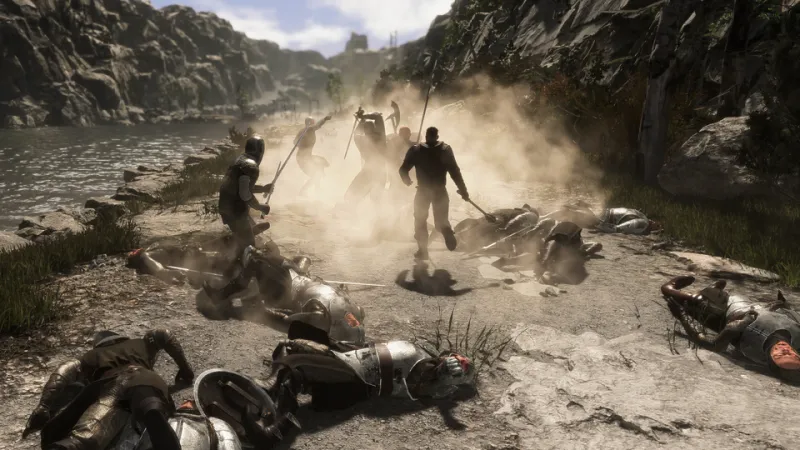
Patch Notes Dropped at 3AM Again and Your Ranked Stats Are Already Ruined

You wake up. Coffee's brewing. You fire up your game of choice — maybe it's a shooter, maybe it's a sweaty battle royale, maybe it's the MMO that has consumed three years of your social life. And there it is: a mandatory update. Gigabytes of it. Your carefully memorized meta? Gone. Your favorite weapon? Nerfed into a decorative prop. Your morning ranked session? Delayed by twenty-three minutes of download progress.
This was not an accident.
The Clock Is a Weapon
Here's something game studios would rather you not think too hard about: patch timing is a deliberate editorial decision, not a logistical afterthought. The 3AM update window — typically targeting Pacific Time to catch most of the US asleep — exists precisely because a sleeping player base is a quiet one.
Think about what happens when a controversial patch drops at noon on a Tuesday. Streamers are live. Reddit is fully staffed by its most passionate complainers. Twitter (fine, X, whatever) turns into a courtroom where the developers are simultaneously judge, defendant, and punching bag. Content creators pump out reaction videos before the patch notes are even fully loaded. The studio's PR team earns every cent of their salary in the span of about forty-five minutes.
Now think about what happens when that same patch drops at 3:17AM. Crickets. By the time the community wakes up, the update is already installed, the servers are stabilized, and the studio has had six hours to draft a measured response to the inevitable backlash. The narrative window — that critical first hour where public opinion crystallizes — has already closed.
Sleeping players can't review-bomb a patch in real time. That's the whole point.
The Competitive Player Gets Buried First
For casual gamers, a surprise overnight patch is mildly annoying. For competitive players, it can be genuinely catastrophic. Tournament rosters built around a specific meta can evaporate before sunrise. Players who have spent weeks grinding ranked lobbies with a particular loadout or character build wake up to discover the ground shifted beneath them without warning.
Esports organizations — especially at the semi-pro and collegiate level — have started assigning dedicated staff to monitor patch note leaks specifically because the official drop gives them almost no preparation time. Some teams have Discord bots set to ping their coaches the second a patch goes live, regardless of the hour. Sleep is a luxury the meta doesn't respect.
Pro players have gone on record about this. The general sentiment, cleaned up for a family-friendly gaming website, is something like: "We found out our entire strategy was deleted while we were dreaming about it."
Content Creators Are Running a Different Kind of Race
For gaming content creators, the overnight patch drop has created its own bizarre economy of suffering. The YouTube algorithm heavily rewards being first. If a major balance change hits at 3AM and you're not awake to cover it, you're watching someone else's video about it go viral by 9AM. The creator grind is already brutal — the off-hours patch just added a new boss fight.
Some creators have adapted by essentially building second-shift schedules around anticipated patch windows. Others have leaned into "morning reaction" content, framing their delayed response as a feature rather than a bug. A few absolute chaos goblins have actually started sleeping in shifts during known patch cycles for major seasonal updates.
The studios know this ecosystem exists. They've watched it grow for years. The timing of a patch that nerfs the game's most-streamed character isn't just a balance decision — it's a content calendar decision. The conversation gets controlled, shaped, and delivered to the audience on the developer's terms, not the community's.
The Unspoken Power Move Nobody Talks About
Let's call this what it actually is: information asymmetry deployed as community management. Studios spend months developing patch notes internally. They know exactly which changes are going to ignite the player base. The off-hours drop gives them the runway to frame those changes before the most vocal critics can build momentum.
Some publishers have gotten more sophisticated about this. Patch notes are now frequently pre-released as developer blog posts — often dropped mid-afternoon the day before the actual update. This creates a controlled preview cycle where the studio's framing gets the first 24 hours of internet oxygen. By the time the update actually installs, the initial outrage has already peaked, crested, and started its decline.
It's a genuinely smart communications strategy. It's also a little bit sinister when you realize the players most affected — the competitive grinders, the content creators, the community theorycrafters — are the exact people who get the least amount of runway to respond.
So What Do You Actually Do About It?
Short answer: not much. You don't control the patch schedule, and you definitely don't control the meta.
Longer answer: the players who thrive in the post-patch chaos are the ones who've stopped treating updates as disruptions and started treating them as resets. Every balance change is an equalizer. Every nerf on the dominant strategy is a door opening for something new. The grinders who adapt fastest — regardless of what time the patch dropped — are the ones who end up on top of the new meta before anyone else has finished complaining about the old one.
Also, maybe consider not scheduling your most important ranked sessions for the morning after a known major update cycle. Your kill/death ratio will thank you.
The 3AM patch drop isn't going anywhere. The studios have found a system that works for them, the algorithm has found a way to monetize the chaos it creates, and somewhere right now a developer is scheduling a patch for 2:47AM on a Thursday because the data says that's the optimal window.
Sleep tight. Your meta won't.