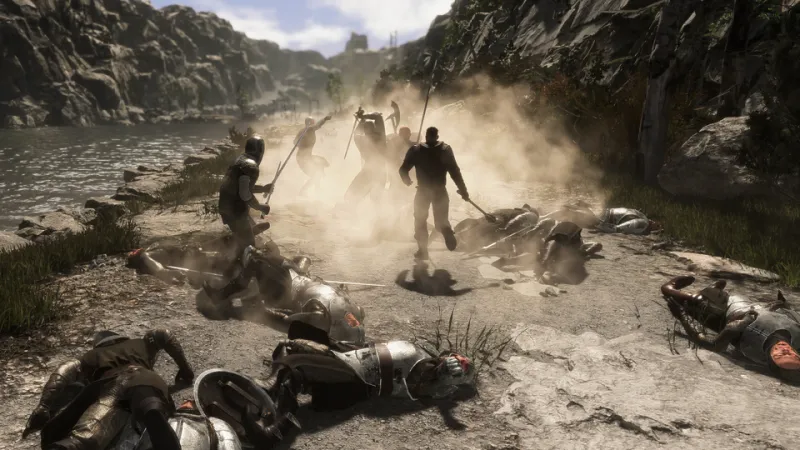
WiFi Towers and Victory Royales: How Forgotten America Became Gaming's Next Gold Rush
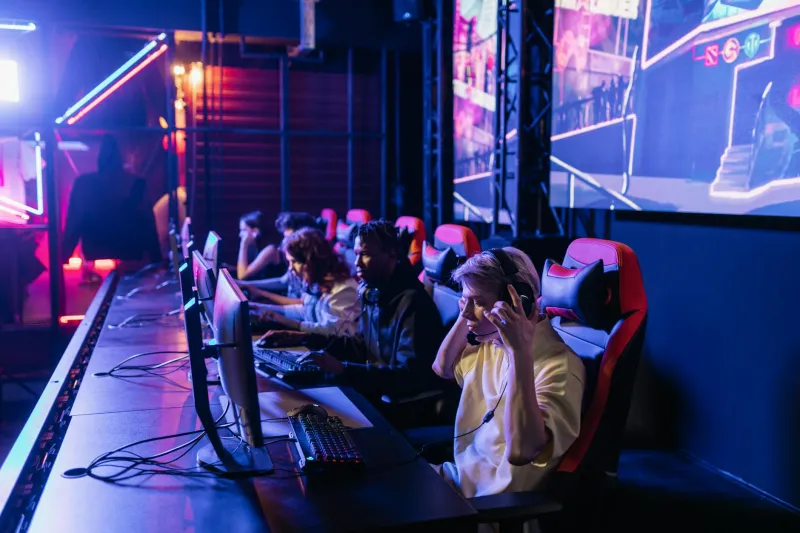
The Last Place You'd Look for a Gaming Empire
Pop quiz: Where would you expect to find America's next generation of esports millionaires? Los Angeles? Austin? Try Ottumwa, Iowa — population 25,000, famous for corn and apparently cranking out Rocket League champions.
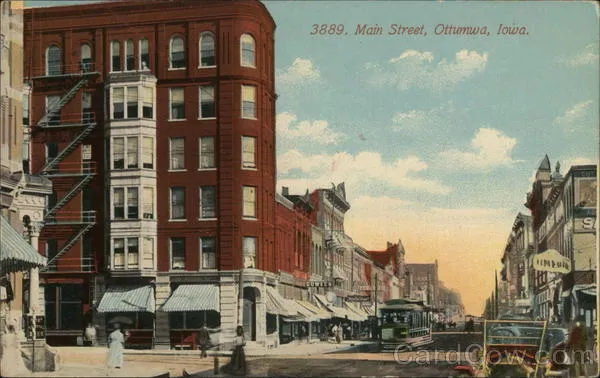 Photo: Ottumwa, Iowa, via www.cardcow.com
While Silicon Valley venture capitalists throw billions at the next gaming unicorn, something remarkable is happening in places like Ottumwa, Broken Arrow, Oklahoma, and Kalispell, Montana. Small towns across America are becoming unlikely hotbeds of competitive gaming, complete with sponsored teams, packed tournaments, and streaming stars who've never seen the inside of a WeWork.
This isn't your typical David-versus-Goliath story. This is David building his own slingshot factory.
Fiber Optic Dreams Meet Friday Night Lights
The secret weapon? Infrastructure that nobody talks about. While major cities fight over overpriced real estate and oversaturated markets, rural America has been quietly laying fiber optic cable like their economic future depends on it. Because it does.
Take Chattanooga, Tennessee — technically a mid-sized city, but the blueprint for what's happening everywhere else. Their municipal broadband network didn't just bring gigabit internet to 170,000 residents; it created a gaming ecosystem that rivals anything you'll find in San Francisco. Local tournaments now draw players from three states, and the prize pools are getting serious.
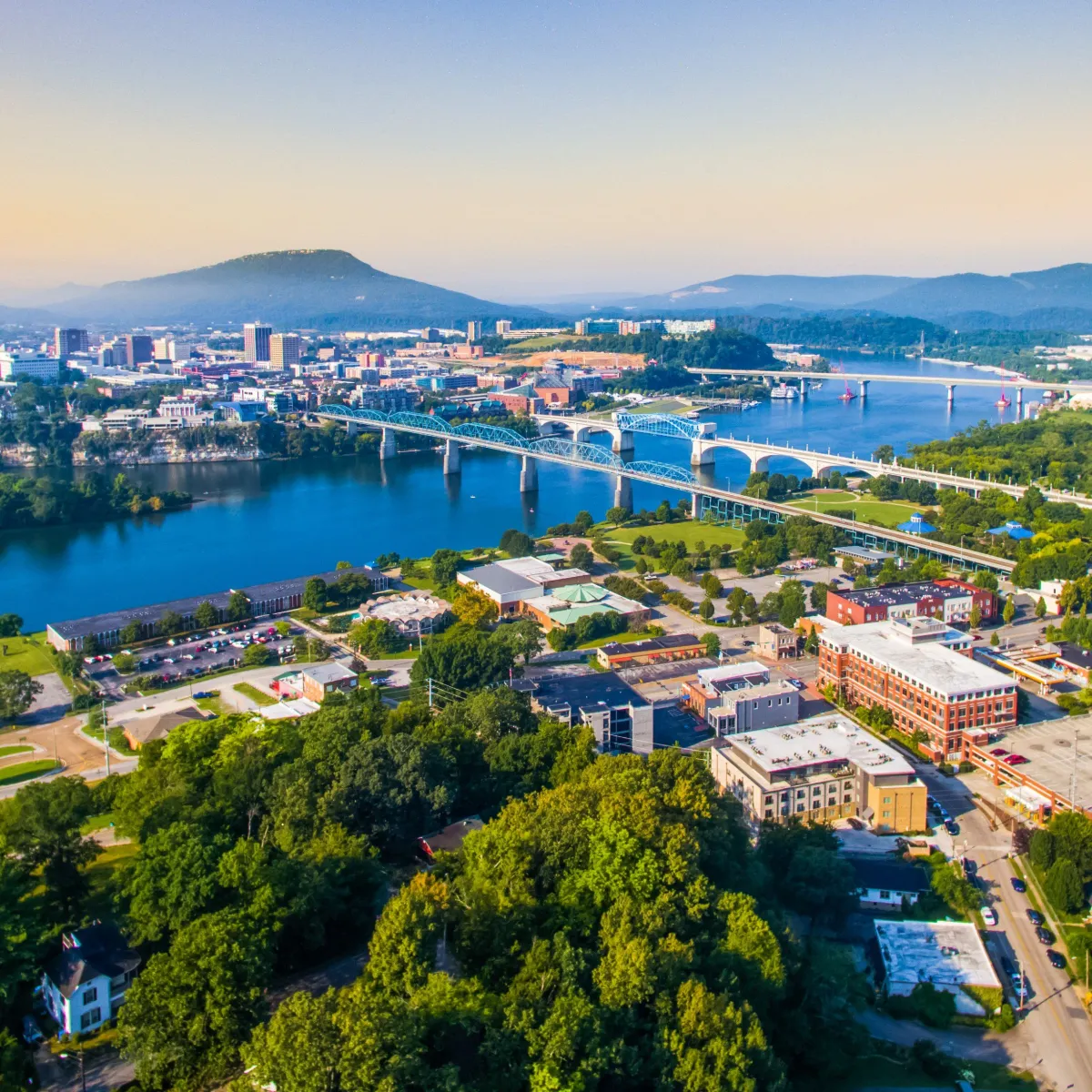 Photo: Chattanooga, Tennessee, via i.pinimg.com
But here's where it gets interesting: the real action isn't happening in purpose-built arenas. It's happening in repurposed Walmart buildings, church basements, and community centers that smell faintly of potluck dinners and teenage determination.
The Economics of Nowhere
Meet Sarah Chen, who runs competitive gaming leagues out of a former RadioShack in Meridian, Idaho. What started as weekend LAN parties for local kids has evolved into a legitimate business that hosts regional qualifiers for major tournaments. Her overhead? About what a San Francisco startup spends on kombucha.
"We've got 40 gaming stations, tournament-grade internet, and rent that's cheaper than most people's car payments," Chen explains. "When your biggest expense is keeping teenagers fed during 12-hour tournaments, you can actually make money doing this."
The math is brutal in its simplicity. While coastal gaming businesses burn through venture capital on ping pong tables and artisanal coffee, rural operations focus on what matters: low latency, high-quality equipment, and building genuine community.
More Than Just Games
This isn't just about entertainment — it's becoming legitimate economic development. Towns that lost their manufacturing base are finding new life in the digital economy, one headshot at a time.
In Pueblo, Colorado, the local economic development council now actively recruits gaming companies and content creators. Their pitch? "Come for the cost of living, stay for the fiber internet and zero traffic." It's working. Three esports organizations have relocated there in the past year, bringing jobs and young families to a region that was hemorrhaging both.
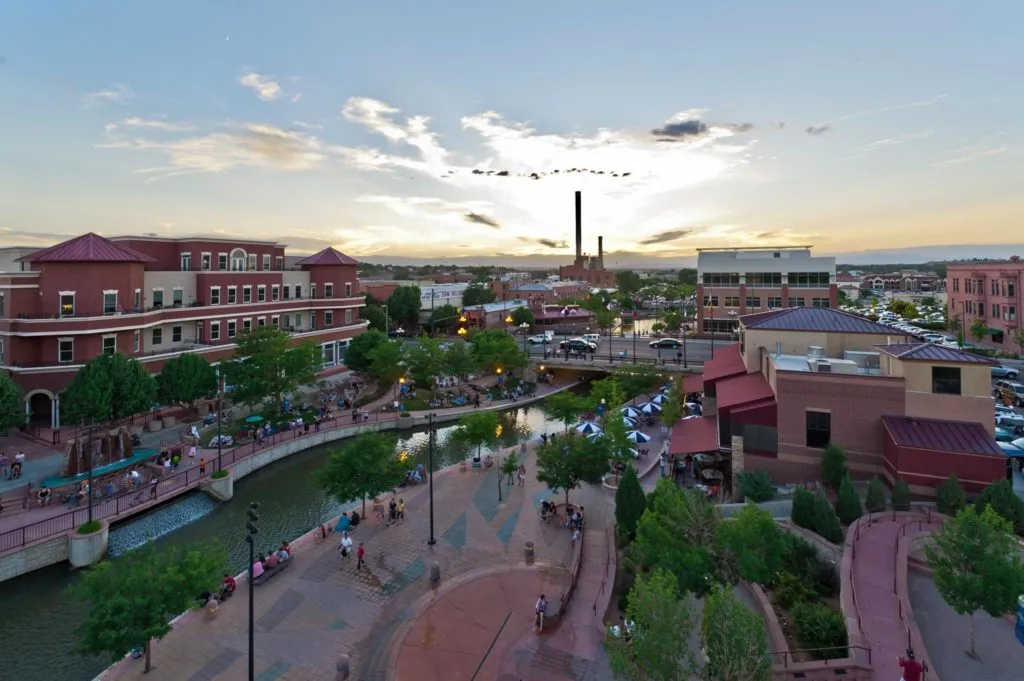 Photo: Pueblo, Colorado, via www.destinationcolorado.com
The ripple effects are real. Local restaurants stay open later to feed tournament crowds. Electronics stores stock gaming peripherals they never bothered with before. And suddenly, the kid who was planning to leave town after graduation has a reason to stick around — there's actually a future in gaming here.
Building Community, One Victory at a Time
What's most striking about rural gaming culture is how deeply it's rooted in actual human connection. While online gaming often gets criticized for isolating players, these physical spaces are creating the opposite effect.
Jamie Rodriguez runs weekend tournaments in Fargo, North Dakota, where the average age of participants is climbing every year. "We've got retired farmers playing Fortnite with college kids, and somehow it works," she says. "Gaming becomes this universal language that cuts across all the usual small-town divisions."
The tournaments themselves feel more like family reunions than corporate events. Players know each other's real names, not just their gamertags. Parents stick around to watch. Local businesses sponsor teams not for marketing reach, but because they genuinely want to support their community.
The Streaming Gold Rush
Here's where things get really interesting: rural content creators are starting to outperform their urban counterparts, and the reasons are fascinating.
First, authenticity sells. While city streamers perform elaborate personas, small-town creators just... exist. Their audiences connect with the realness of someone streaming from their childhood bedroom while their mom makes dinner downstairs.
Second, overhead costs. A successful streamer in Austin might need $4,000 a month just to break even on rent and expenses. That same income in rural Kansas? You're living like royalty.
Third, and most importantly: these creators have something unique to offer. Urban streamers compete in an oversaturated market where everyone sounds the same. Rural streamers bring perspectives and experiences that stand out precisely because they're different.
The Infrastructure Revolution Nobody Noticed
The dirty secret driving all of this? Government broadband initiatives that actually worked. While everyone was arguing about net neutrality in Washington, local municipalities across America were quietly building the digital infrastructure that makes competitive gaming possible.
Rural electric cooperatives — the same organizations that brought electricity to farm country in the 1930s — are now running fiber optic cable to places that Comcast and Verizon wrote off as unprofitable. The result is internet speeds that rival major cities at prices that don't require a second mortgage.
What This Means for Gaming's Future
The rural gaming boom represents something bigger than just geographic diversification. It's proof that gaming culture doesn't need Silicon Valley's permission to thrive. In fact, it might thrive better without it.
While coastal gaming companies obsess over the next technological disruption, rural America is focused on something more fundamental: building sustainable communities around shared passions. They're not trying to disrupt anything — they're just trying to create something meaningful for their neighbors.
And honestly? They're winning.
The next time you're getting demolished in ranked play by someone with a username like "CornFieldKing" or "MountainDewMaster," remember: you might be getting schooled by the future of American gaming. They just happen to live somewhere you've never heard of, and they wouldn't have it any other way.