Free WiFi, Free Games, Free Victory Royales: How Your Local Library Became Gaming's Best Kept Secret
The Plot Twist Nobody Saw Coming
Forget everything you think you know about public libraries. While you've been stressing about GPU prices and arguing over console wars, librarians across America have been quietly assembling gaming arsenals that would make most enthusiasts weep with envy.
We're talking RTX 4090s. PlayStation 5s still in their boxes. VR setups that cost more than your car. All free to use. All you need is a library card.
And somehow, this might be the gaming industry's best-kept secret.
The Librarian Gaming Revolution
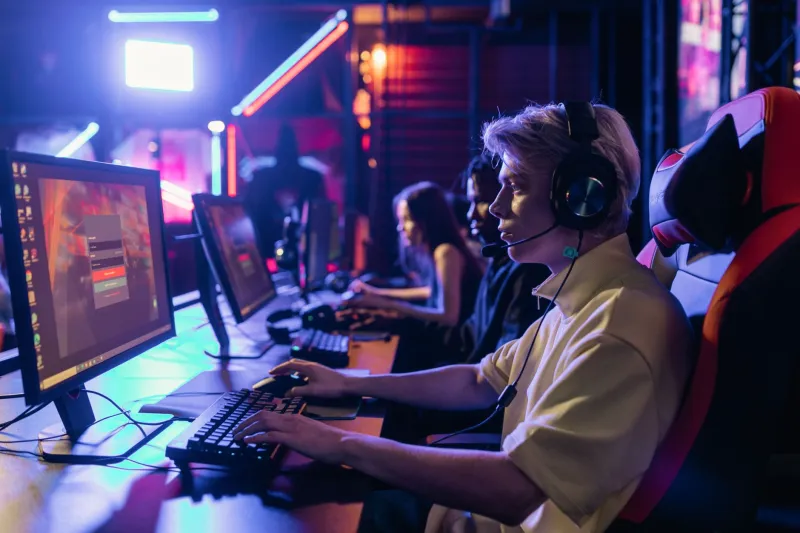
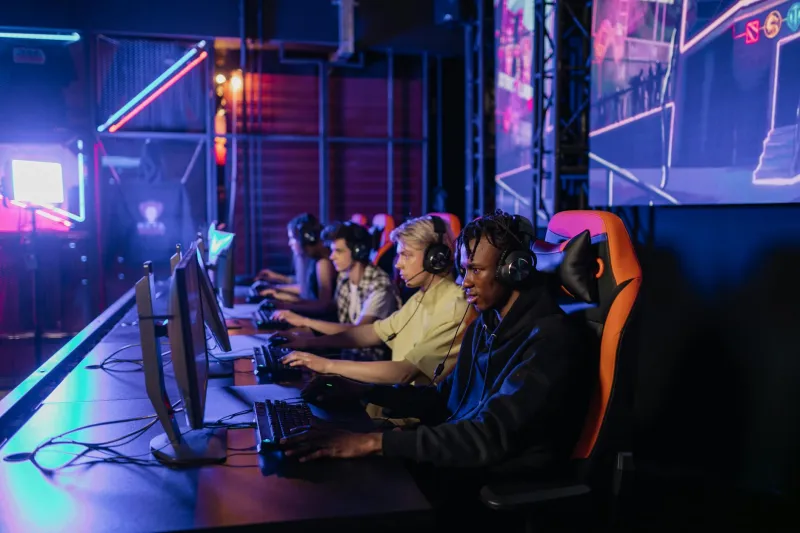
Meet Jennifer Walsh, head librarian at the Chattanooga Public Library in Tennessee. Three years ago, she convinced her board to allocate $150,000 for a "digital literacy center." Today, that center houses 20 high-end gaming PCs, multiple console stations, and a VR lab that regularly hosts tournaments drawing players from three states.
 Photo: Chattanooga Public Library, via c8.alamy.com
"People think libraries are just books and silence," Walsh laughs, gesturing toward a teenager absolutely destroying someone in Street Fighter 6 on a 4K display. "But we've always been about access to information and technology. Gaming is just the latest frontier."
The numbers back up her vision. Library gaming programs have exploded from fewer than 50 nationwide in 2015 to over 2,000 today. The American Library Association now tracks gaming initiatives as a core metric of community engagement.
The Hardware That Puts Your Rig to Shame
The Multnomah County Library in Portland, Oregon, doesn't mess around. Their flagship branch features a gaming lab with equipment that would make a professional esports team jealous:
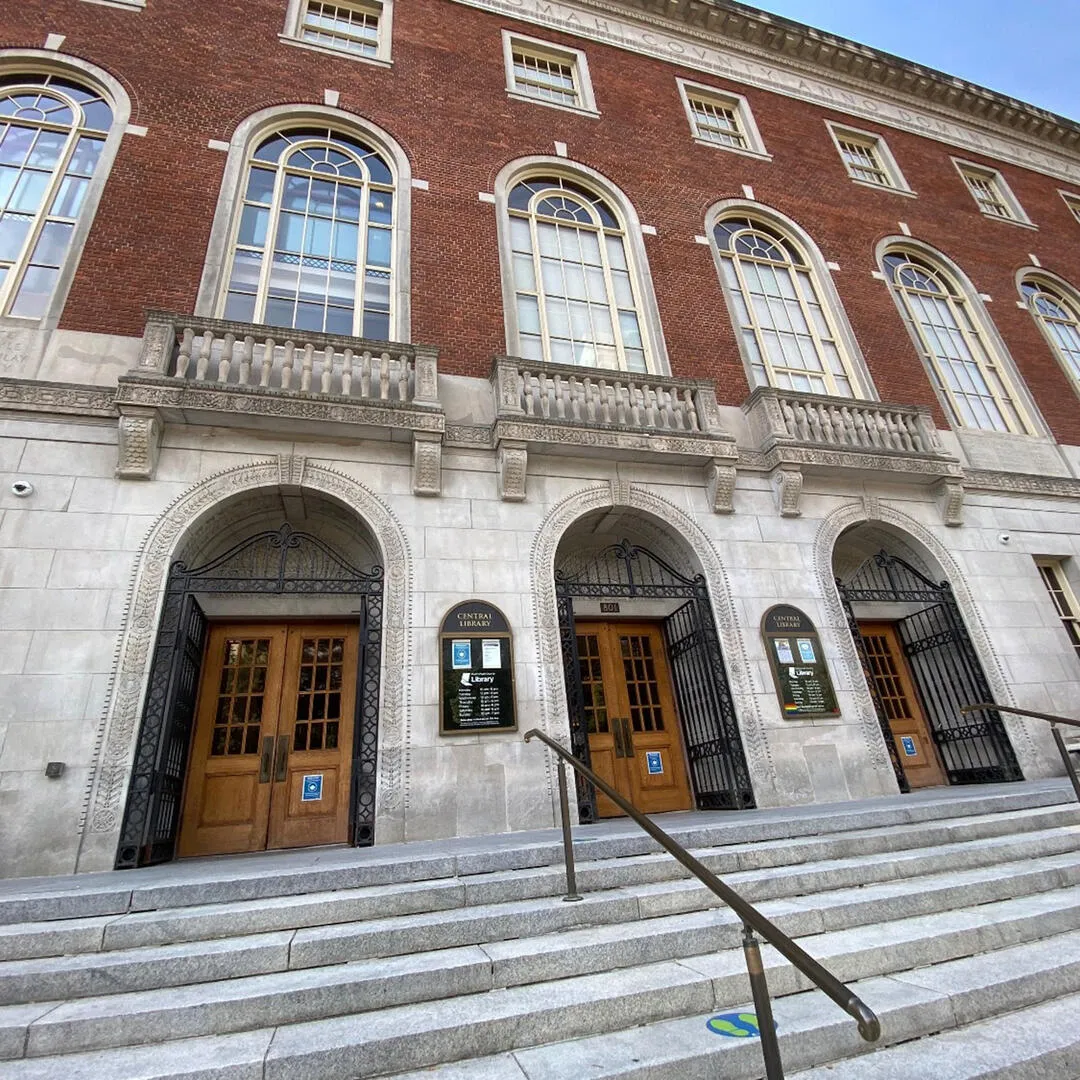 Photo: Multnomah County Library, via ghosty-production.s3.amazonaws.com
- 16 custom-built PCs with RTX 4080 graphics cards
- PlayStation 5 and Xbox Series X stations with 4K displays
- Nintendo Switch consoles for portable gaming
- Multiple VR setups including Quest Pro and PICO 4
- High-end racing simulators with force feedback wheels
- Professional streaming equipment for content creation workshops
Total investment? Over $300,000. Total cost to users? Zero.
"We're not trying to compete with GameStop," explains Marcus Thompson, the library's digital services coordinator. "We're trying to democratize an experience that's increasingly becoming a luxury good."
The Great Gaming Equalizer
Here's where it gets interesting. While the gaming industry obsesses over $70 games and $500 graphics cards, libraries are solving the access problem that nobody wants to talk about.
In rural Montana, the Bozeman Public Library's gaming program serves kids who would otherwise drive 100 miles to find decent internet, let alone high-end gaming hardware. In Detroit, the downtown library's esports arena gives local teens access to equipment and coaching that would cost their families thousands.
"I was saving up for two years to build a gaming PC," says DeShawn Williams, a 17-year-old from Detroit who now spends his afternoons at the library's gaming center. "Then I realized I could just come here and play on hardware that's better than anything I could afford anyway."
The Unexpected Gaming Demographics
Library gaming programs are revealing some surprising truths about who actually wants to game when cost isn't a barrier.
Seniors are dominating puzzle games and strategy titles. Parents are bonding with their kids over co-op adventures. Teens are forming legitimate esports teams and competing in regional tournaments—all using library equipment.
"Our biggest demographic isn't actually teenagers," notes Sarah Kim, who runs the gaming program at the Queens Public Library in New York. "It's adults between 25 and 45 who love gaming but can't justify the hardware investment. They'll come in during lunch breaks to get their fix."
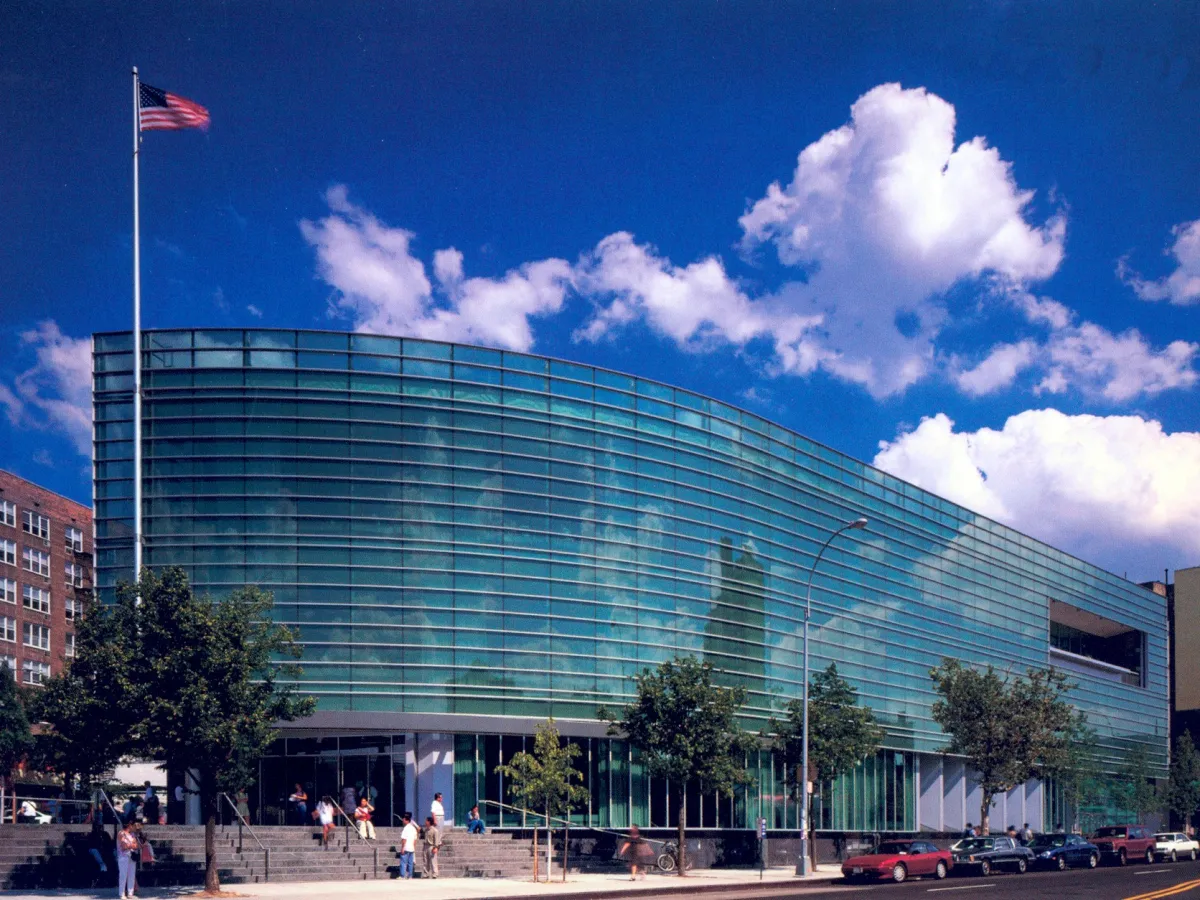 Photo: Queens Public Library, via www.queenslibrary.org
The Programs That Actually Matter
This isn't just about free gaming time. Libraries are building genuine communities around their gaming programs:
Coding workshops where kids learn game development using Unity and Unreal Engine on professional workstations.
Senior gaming hours specifically designed for older adults to explore gaming in a low-pressure environment.
Parent-child gaming sessions that help bridge generational gaps through shared digital experiences.
Competitive leagues with real prizes and recognition, giving players a path to organized competition without the financial barriers of traditional esports.
The Funding Reality Check
How are cash-strapped public libraries affording this hardware? The answer reveals something fascinating about American priorities.
Many libraries are using federal broadband expansion grants, arguing that gaming literacy is digital literacy. Others are partnering with local businesses and tech companies looking for community goodwill. Some are reallocating budgets from traditional materials that see declining usage.
"We spent less on gaming equipment last year than we usually spend on magazine subscriptions that three people read," explains Walsh from Chattanooga. "The ROI in terms of community engagement isn't even close."
The Industry That's Not Paying Attention
Here's the irony: while gaming companies obsess over reaching "underserved markets," they're largely ignoring the infrastructure that's actually serving those markets.
Library gaming programs are creating new gamers, introducing people to franchises they'd never otherwise try, and building communities around gaming experiences. But most major publishers have no formal relationship with library systems.
"We've had kids discover entire genres through our programs, then go home and convince their parents to buy those games," notes Thompson from Portland. "We're basically doing free marketing for the entire industry, and they don't even know we exist."
The Access Revolution Hiding in Plain Sight
The most radical thing about library gaming programs isn't the hardware—it's the philosophy. In an industry increasingly focused on premium experiences and high-end hardware, libraries are proving that great gaming experiences don't require personal ownership of expensive equipment.
They're also solving problems the industry won't acknowledge: rural broadband deserts, income inequality, and the generational wealth gap that makes gaming a luxury rather than a universal cultural experience.
Finding Your Local Gaming Haven
Ready to check out what your local library offers? Start with your library's website or call directly. Many don't heavily advertise their gaming programs, assuming people won't be interested.
Search for terms like "digital lab," "maker space," "teen programs," or "technology center." Even libraries without dedicated gaming setups often have decent PCs and console access available for public use.
The Future of Free Gaming
As library gaming programs expand, they're starting to influence how we think about game access, community building, and digital equity. Some librarians predict that within a decade, public libraries will be the primary gaming access point for millions of Americans.
Which raises an interesting question: if your local library has better gaming hardware than you do, what exactly are you paying for?
Maybe it's time to dust off that library card and find out what you've been missing. Your wallet—and your K/D ratio—might thank you.