Congratulations, Your Game Just Hired You as a Contractor With No Benefits

Somewhere between your third Uber Eats delivery and your fourteenth GTA Online cargo run, a terrifying thought might cross your mind: these feel exactly the same. Same frantic energy. Same unpredictable payout. Same sinking feeling that no matter how hard you grind, the finish line keeps moving. Welcome to the gig economy — now available in your favorite open-world title, no W-2 required.
Game designers didn't stumble into this by accident. The shift from fixed, story-driven economies toward fluid, task-based reward systems is one of the most deliberate and quietly radical design choices of the last decade. And it's reshaping not just how we play, but how an entire generation understands the concept of work.
From Steady Paycheck to Perpetual Hustle
Cast your mind back to older RPGs. You completed a quest, you got your gold, you moved on. The economy was predictable. Stable. Almost employed-feeling. You had a role, you fulfilled it, and the game rewarded you accordingly. It was basically the union job of video game design.
Then something shifted. Games like GTA Online turned the in-game economy into a chaotic marketplace where your earning potential depends entirely on which contracts are available right now, how many other players are competing for the same jobs, and whether some griefer in a flying motorcycle decides to blow up your cargo shipment three blocks from the warehouse. Sound familiar? It should. That's called the American gig economy, and it's been doing that to real people since around 2009.
Fortnite took a different approach but arrived at the same destination. Daily challenges, rotating mission structures, limited-time event rewards — all of it designed to keep you logging in, checking the board, and hustling for whatever scraps the algorithm decided to serve up today. There's no pension plan in Fortnite. There's no seniority. There's just the grind, and the grind never clocks out.
The Design Philosophy Nobody's Talking About
Game economists — yes, that's a real job title, which is its own kind of irony — have been quietly engineering these systems for years. The core principle is something called variable reward scheduling, which is the same psychological mechanism that makes slot machines so effective. You don't know exactly what you'll earn or when, so you keep pulling the lever. Or in this case, you keep accepting the next contract.
But there's a secondary layer here that doesn't get nearly enough attention: these systems are also teaching players how to think about work. When your primary interaction with an economy — even a virtual one — is defined by instability, task-based income, and the constant pressure to stay active or fall behind, that shapes your expectations. Subtly. Persistently.
Emerging titles like The Finals, various survival MMOs, and even newer Roblox experiences aimed at teenagers are doubling down on this framework. Log in. Check available tasks. Complete them before they rotate out. Earn currency. Spend it before it becomes irrelevant. Repeat. If that sounds less like a game and more like refreshing your gig app at 6 AM hoping for a surge, you're not imagining things.
Is This Actually Teaching Useful Skills?
Here's where it gets genuinely complicated, because the cynical read isn't the only read.
There's a legitimate argument that gig-style game economies are preparing younger players for a real world where stable, lifelong employment is increasingly rare. The ability to prioritize tasks, manage time efficiently, assess risk versus reward on the fly, and adapt to constantly shifting conditions? Those are actually valuable skills. The fact that you're learning them by running drug shipments across Los Santos doesn't make them less transferable.
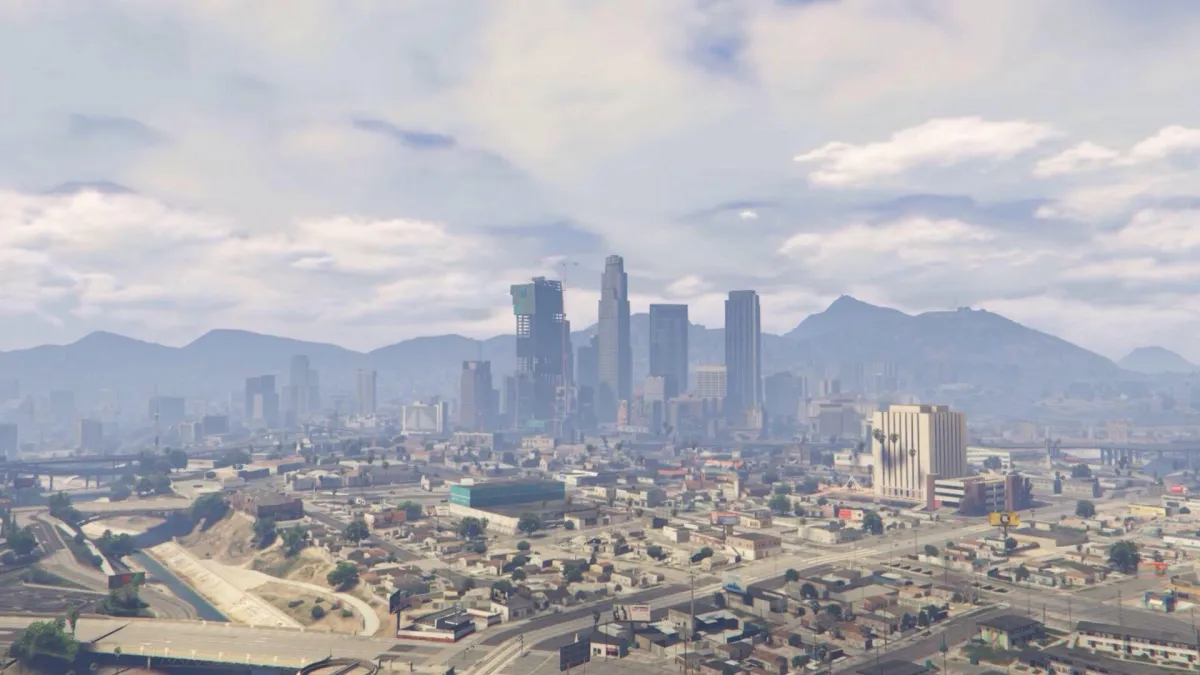 Photo: Los Santos, via wallpaperaccess.com
Some researchers have pointed to games like Eve Online — which has a player-driven economy so complex that actual economists have studied it — as evidence that virtual economic systems can genuinely build financial literacy and strategic thinking. When you're negotiating contracts, managing resources, and calculating margins in a game, you're doing real cognitive work.
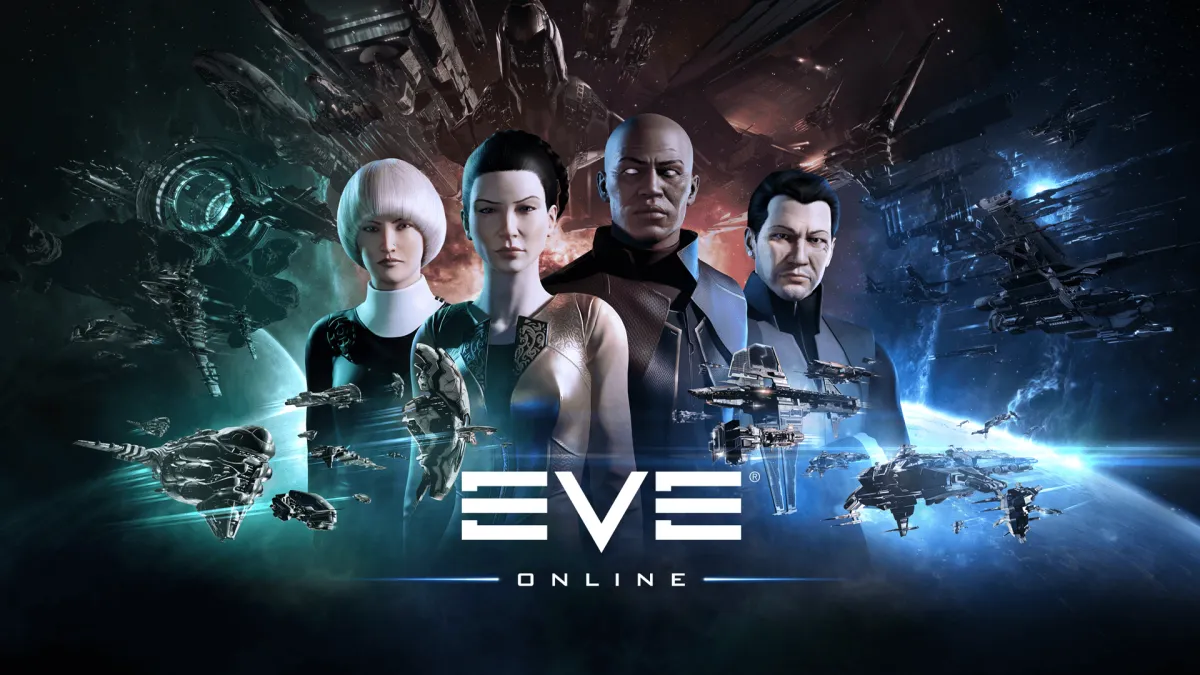 Photo: Eve Online, via cdn2.unrealengine.com
But there's a difference between a game that teaches economic thinking and a game that normalizes economic precarity. One builds skills. The other builds tolerance for instability — and that tolerance, once baked in, tends to benefit the people at the top of the real-world economy, not the workers scrambling at the bottom.
The Monetization Angle Nobody Wants to Admit
Let's be honest about something: gig-style game economies aren't just philosophically interesting. They're extraordinarily profitable.
When your earning potential in a game is intentionally capped or throttled — when the grind is long enough that impatient players will reach for their credit cards to shortcut it — you've built a monetization engine wearing the costume of a game mechanic. The in-game currency that would take forty hours to earn legitimately? It's available right now for $19.99. The exclusive gear locked behind a time-limited mission chain? Better grind fast, or pay to catch up.
This is the gig economy's cruelest trick, replicated in digital form: the system is designed to make you feel like you're almost there, just one more shift away from stability, just one more mission away from the good stuff. Meanwhile, the house always wins.
GTA Online has generated billions — with a B — in microtransaction revenue since its 2013 launch. Fortnite has pulled in similar numbers. These aren't games with economies. They're economies with games attached, and the gig loop is the engine keeping players engaged long enough to open their wallets.
The Real Cost of the Virtual Grind
About forty percent of American workers participate in the gig economy in some capacity. Many of them do so not because they love the freedom and flexibility that every Silicon Valley pitch deck promises, but because traditional employment options have dried up, wages have stagnated, and the social safety net has more holes than a speedrunner's route through a broken game.
When those same workers come home and boot up a game that replicates the exact psychological structure of their day job — uncertain income, task-based reward, constant availability pressure — what are they actually getting? Rest? Escape? Or just a second shift in a prettier setting?
The games aren't causing the problem. But they're not exactly challenging it either. They're reflecting a reality that benefits the people who design both systems: real-world gig platforms and virtual ones alike.
Level Up or Log Off?
None of this means you should delete GTA Online in protest or start a boycott of Fortnite's battle pass. Gaming is still gaming, and the fun is still real even when the economic metaphors are uncomfortable.
But paying attention to how these systems are built — and who benefits from your engagement — is the kind of critical thinking that serves you well both in-game and out. The next time a game asks you to log in daily to protect your streak, or locks a reward behind a time-sensitive grind, ask yourself who designed that mechanic and why.
Because somewhere, a game designer is collecting a very stable salary to build the system that makes your virtual hustle feel just rewarding enough to keep you coming back. And that, friend, is the gig economy working exactly as intended.