The 40-Something Women Quietly Crushing Twitch While Esports Bros Beg for Sponsors

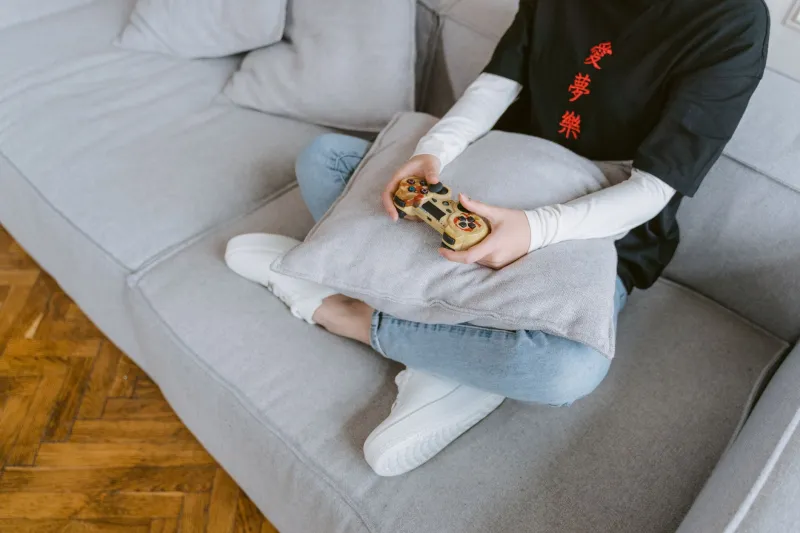
Somewhere in suburban Ohio, a 44-year-old woman is streaming Stardew Valley to 3,000 concurrent viewers who would genuinely riot if she missed a stream. Her Patreon pulls in more monthly recurring revenue than the starting salary of most tier-two esports professionals. Her Discord has moderators who actually moderate. Her chat calls her 'Mom' unironically and means it as the highest possible compliment.
The gaming industry, which has spent a decade and roughly a billion dollars chasing the 18-to-24 male demographic, completely missed her. And she's not alone.
The Audience Nobody Was Looking For
Here's what the data has been quietly screaming for the past three years: older women are one of the fastest-growing demographics in gaming, and a meaningful segment of them don't just want to play—they want to watch people like them play. The problem is that traditional gaming media, sponsorship pipelines, and platform promotion strategies were all built around an audience profile that looks nothing like a 47-year-old mom from Boise who just discovered she loves farming simulators and cozy horror games.
That disconnect created an enormous vacuum, and a wave of Gen X and older millennial women walked straight into it.
Streamers like these—many of whom started during the pandemic with entry-level equipment and zero industry connections—found audiences that were starving for content that didn't involve someone screaming energy drink-fueled trash talk at a monitor. Their streams feel less like performance and more like hanging out in someone's living room. Which, for a significant chunk of the American population that is exhausted and lonely and just wants somewhere calm to exist for two hours, is apparently exactly what the algorithm ordered.
The Numbers That Should Be Embarrassing Someone
Let's talk money, because that's where this story gets genuinely wild.
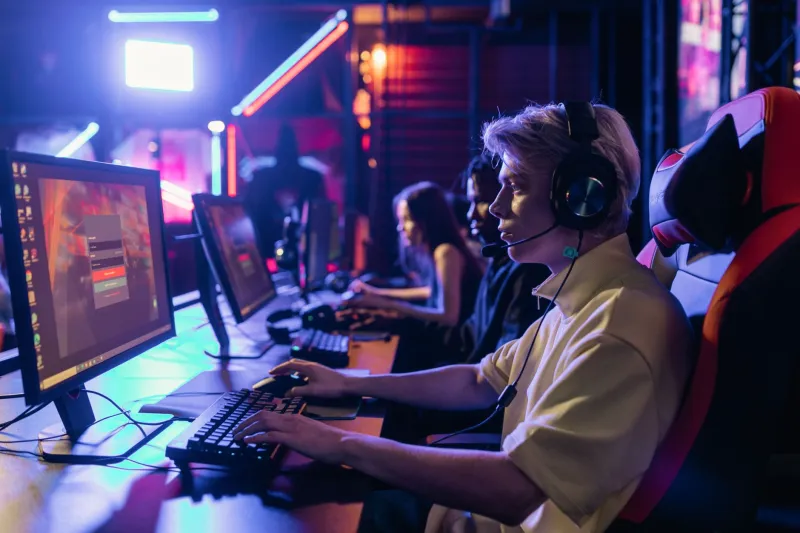
A mid-tier esports professional in a non-flagship title—your second-tier fighting game competitor, your regional battle royale qualifier—might clear $30,000 to $50,000 a year when you factor in prize money, team salary, and sponsorship deals, assuming their org doesn't fold mid-season (a risk that remains extremely real). That sounds decent until you compare it to a streaming operation built around a loyal niche community.
A streamer with 2,500 consistent Patreon subscribers at an average of $8 per month is generating $240,000 annually in recurring revenue before Twitch subscriptions, donations, or merchandise. Several of the women building in this space have crossed that threshold. They did it without a manager, without an esports org, and without a single appearance at a LAN tournament.
The secret weapon? Retention. The parasocial bond between these streamers and their communities is extraordinary. Churn rates that would make a SaaS company weep. Subscribers who have been paying monthly for two, three, four years. Birthday cards mailed to PO boxes. That's not an audience—that's a constituency.
Why the Industry Missed It Completely
The gaming industry's youth obsession is well-documented and understandable from a historical context—the medium grew up alongside millennials, and the advertising infrastructure that funded it was calibrated for that cohort. But that calibration became a blindspot so severe it borders on comedic.
Platform promotion algorithms at Twitch and YouTube are, in theory, supposed to surface content that drives engagement. In practice, they've historically favored content that drives young male engagement, because that's what the advertising rates were optimized for. Content that builds slower, deeper, more diverse communities gets deprioritized in the short-term metrics that determine what gets recommended.
The women who broke through did it despite the algorithm, not because of it. Word of mouth. Twitter communities. Facebook groups—yes, Facebook, the platform that gaming's youth obsession declared dead—that turned out to be full of women in their 40s looking for exactly this kind of content.
The Toxic Fanbase Problem They Somehow Avoided
Here's a detail that deserves its own essay: the communities these streamers have built are, by streaming standards, shockingly healthy. The harassment that plagues so many women in gaming content creation—the coordinated hate raids, the relentless sexualization, the pile-ons—is dramatically less prevalent in these spaces.
Part of that is community self-selection. An audience that came to watch someone play Animal Crossing and chat about their week is not the same audience that shows up to be awful. Part of it is that these streamers are, frankly, experienced adults who set boundaries clearly and enforce them without drama. They've been managing difficult humans in various professional and personal contexts for decades. A 19-year-old in their chat being weird gets handled with a calm efficiency that would impress a veteran HR manager.
What Happens Next
The industry is starting to notice, slowly and awkwardly, the way industries always notice things they missed. Expect to see cozy game publishers—the Concerned Apes and ConcernedApes-adjacents of the world—start specifically courting this creator segment. Expect platform features to start accommodating streaming styles that prioritize community over peak concurrent viewers. Expect, eventually, a thinkpiece from a major gaming publication 'discovering' this trend approximately four years after it became obvious.
In the meantime, somewhere in suburban Ohio, the stream just went live. Three thousand people just typed 'hi Mom' in chat. And the esports org down the street is on its fourth brand deal pitch of the month, hoping someone bites.
The scoreboard is not close.