Paying Four Figures for a Decade-Old Gamepad: Inside the Shady Hustle Keeping Pro Gamers in Business
Somewhere in a Discord server you're definitely not invited to, a tournament-level Street Fighter player just paid $1,400 for a used arcade stick that retailed for $180 in 2019. The listing had seventeen photos, a handwritten serial number, and a disclaimer that read — and we are not making this up — "foam padding slightly compressed but soul intact."
Welcome to gaming's dirtiest little open secret: the underground market for discontinued controllers, where supply dried up years ago, demand never got the memo, and the prices would make your mortgage broker wince.
The Shelf Life Nobody Warned You About
Here's the thing manufacturers will never print on the box: that controller you love, the one that fits your hands like it was sculpted by a deity who understood your grip style specifically, has an expiration date. Not the hardware — the production run. Companies kill beloved peripherals all the time, sometimes for business reasons, sometimes because a newer model needs shelf space, and sometimes, frankly, because they can.
The Hori RAP4, the Xbox Elite Series 1, certain limited-run GameCube controllers — these aren't just nostalgic trinkets. For a significant chunk of the competitive scene, they're tools. Specific, irreplaceable tools with input latency characteristics, trigger travel distances, and button actuation forces that players have spent years calibrating their muscle memory around.
When those tools disappear from retail, the clock starts ticking on every unit that still exists.
The Collectors Who Turned Hoarding Into a Business Model
Meet the people quietly getting rich off your panic. A subset of gaming's collector community figured out years ago that discontinued peripherals were an appreciating asset. They bought multiples — sometimes dozens — of controllers before discontinuation announcements, sealed them, and warehoused them in climate-controlled storage like they were first-edition comics.
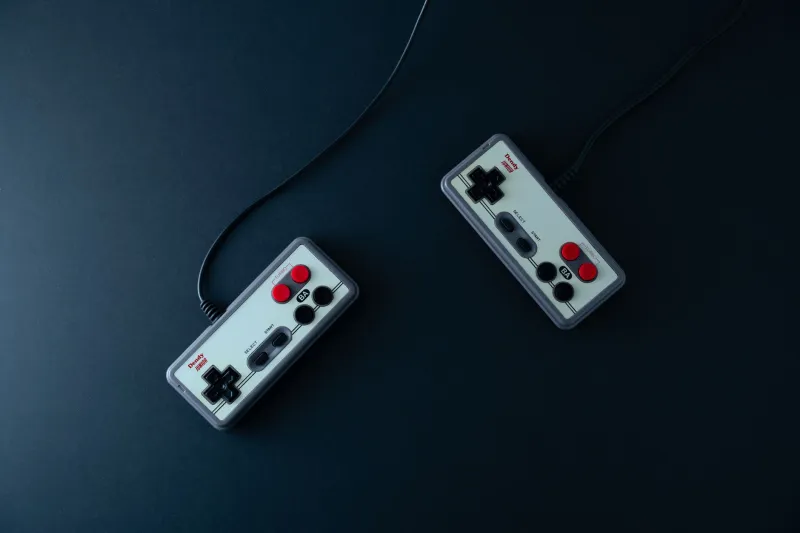
They weren't wrong. A GameCube controller that cost $30 at Walmart in 2003 now routinely clears $150 on eBay, and that's the boring example. Specialty fight sticks from discontinued product lines, limited-edition pro controllers from defunct esports partnerships, even certain third-party adapters — all of it appreciates, and the people who understood that early are now sitting on inventory worth multiples of what they paid.
Some of these collectors operate with the casual professionalism of a small business. Tiered pricing based on condition. Authenticity verification through serial number databases maintained by community volunteers. Reputation systems built on years of successful transactions. It's remarkably organized for something that technically operates in the gray zone between reselling and market manipulation.
Why Pros Won't Just Switch
The obvious question: why not use something else? Controllers aren't that different, right?
Ask that question to anyone who's spent 10,000 hours on a specific piece of hardware and prepare for a very educational lecture. The competitive gaming community's relationship with their preferred controllers is less about brand loyalty and more about the neurological reality of trained motor patterns. Switching input devices at a high competitive level isn't like changing your mouse pad — it's closer to asking a professional pitcher to throw left-handed for a season while their ERA still counts.
For fighting game players especially, the specific feel of a joystick — the tension in the gate, the throw distance, the tactile feedback on diagonals — isn't preference. It's the physical interface through which thousands of hours of practice become executable. Changing it mid-career is a genuine competitive risk, which means the willingness to pay $1,500 for a used stick isn't irrational. It's math.
The Planned Obsolescence Conversation Nobody Wants to Have
Here's where things get uncomfortable for the industry. Gaming hardware companies have increasingly moved toward shorter product cycles, proprietary components, and designs that are deliberately difficult to repair or source parts for. The result is a market where the most beloved products have artificially short lifespans, not because the technology fails, but because the business model requires you to keep buying new things.
The underground controller economy is, in a very direct sense, a consumer revolt against that model. Players refusing to accept that their preferred tool should become unavailable simply because a company decided it was time to move on. The premium prices are frustrating, sure — but they exist because demand is real and supply was artificially cut off.
Right-to-repair advocates have been making this argument about phones and laptops for years. The gaming peripherals angle is newer but follows identical logic: if companies made it easier to source replacement parts and repair aging hardware, the underground market would shrink because the desperation driving it would disappear.
The Community Infrastructure Running It All
What's genuinely impressive — in a chaotic, slightly illegal-adjacent way — is how sophisticated the community infrastructure around this market has become. Dedicated subreddits with verified seller flairs. Discord servers with escrow systems for high-value transactions. YouTube channels running authenticity guides so buyers can spot counterfeit fight sticks (yes, those exist, yes, they're a problem).
There are even community-maintained databases tracking known serial number ranges for specific production runs, which buyers use to verify that a seller's "sealed original" is actually from the right manufacturing period. This is the kind of obsessive, detailed, volunteer-maintained infrastructure that gaming communities build when the official channels fail them.
Nobody is getting paid to run this stuff. They do it because the community needs it, because the alternative is getting scammed on a $900 arcade stick, and because gamers, as a general rule, will build elaborate parallel systems before they'll accept that something they love is simply gone.
What Happens Next
The trajectory here isn't great unless something changes at the manufacturing level. More controllers will be discontinued. More competitive players will hit the secondary market in a panic. More collectors will correctly identify the opportunity and buy ahead of the demand curve. Prices will keep climbing.
The only real circuit-breakers are right-to-repair legislation that forces companies to maintain parts availability, or manufacturers actually listening when their community tells them a product is irreplaceable. Neither feels imminent, but both are worth pushing for.
In the meantime, if you own a controller you love — truly love, in the way competitive players love their tools — maybe buy a backup. Store it somewhere dry. And if someone offers you $1,400 for it in a Discord server, at least know that the offer is real, the market is real, and the industry that created this situation would very much prefer you not think too hard about why.