Friday Night Frags: The Rural Esports Coaches Quietly Mailing Kids to College
Photo: 오름, CC BY-SA 4.0, via Wikimedia Commons
Bryan, Texas has a population of about 85,000 people, sits two hours from Houston, and is not the first place you'd expect to find a nationally competitive esports program. But Rudder High School's team has been sending graduates to colleges with esports scholarships for three consecutive years — and head coach Marcus Holloway, a former IT teacher who learned competitive gaming on YouTube tutorials, built the whole thing from scratch with a budget that wouldn't cover a single semester's textbooks.
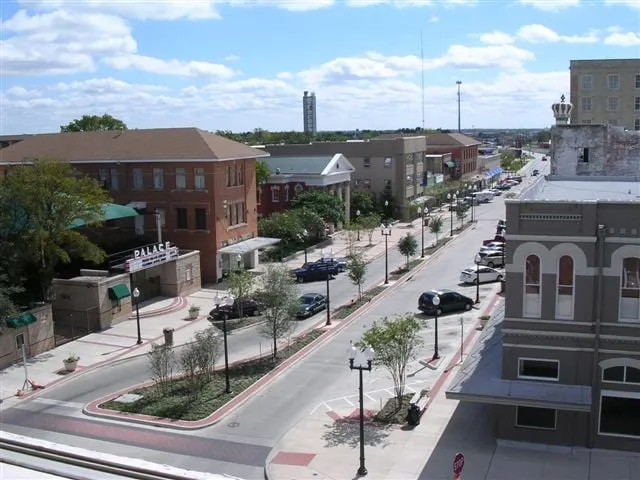 Photo: Bryan, Texas, via www.texasalmanac.com
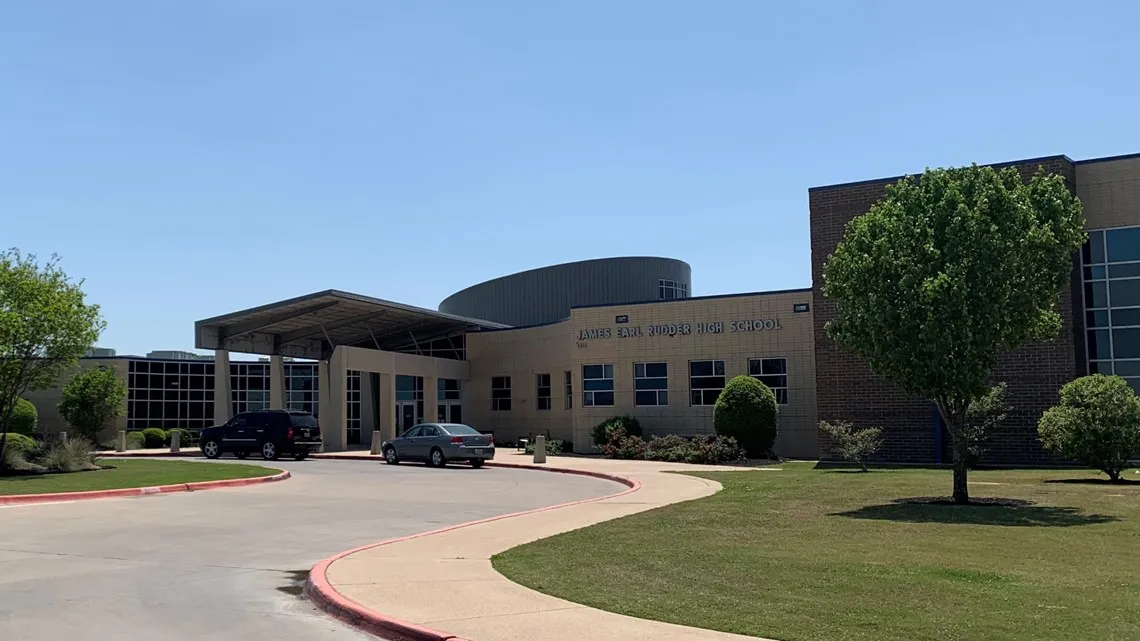 Photo: Rudder High School, via media.kagstv.com
This is happening everywhere, and almost nobody is talking about it.
The Pipeline Nobody Sees
Across rural and small-town America, a quiet revolution is underway in high school athletics. Esports programs — many of them operating on shoestring budgets, donated equipment, and the sheer willpower of coaches who believed before anyone else did — are becoming legitimate academic pipelines for students who had no obvious path to a four-year scholarship before competitive gaming showed up.
The National Association of Collegiate Esports (NACE) currently reports over 200 member schools offering esports scholarships, with the total scholarship pool exceeding $16 million annually. That number has grown every single year since the organization launched in 2016. And here's the critical detail: a significant chunk of those scholarship dollars are going to students from small towns and rural districts, because those are increasingly the students showing up to college esports tryouts prepared, coachable, and hungry.
The reason? They had a coach who took this seriously when nobody else did.
Coach Holloway's Playbook
Marcus Holloway started Rudder High's esports program in 2021 with six students, four donated computers, and a storage room that smelled aggressively of old gym equipment. The school board was skeptical — which is a generous way of describing a room full of people who kept using air quotes around the word 'athlete.'
'The first meeting I had with administration, someone literally asked me if this was a club for kids who didn't want to go outside,' Holloway recalls. 'I told them I'd have scholarship offers on the table within two years. They let me have the room mostly because nobody else wanted it.'
Two years later, three of his graduates were at Texas A&M University-Commerce on partial esports scholarships. One of them — a Rocket League specialist who had never traveled outside of Texas — is now on a full ride.
Holloway's approach mirrors traditional athletic coaching more than most people expect. Practice schedules, film review (yes, VOD review of competitive matches is very much a thing), mental conditioning, and structured team communication. He teaches his players to talk to recruiters, build esports portfolios, and navigate the scholarship application process that their guidance counselors — through no fault of their own — simply aren't equipped to explain.
'My guidance counselors are incredible people,' he says. 'But they're working with 400 kids each. They don't have time to learn that Harrisburg University in Pennsylvania offers full-ride esports scholarships. I do. That's literally my job now.'
Appalachia's Unlikely Champions
Shift about 1,400 miles northeast to Pikeville, Kentucky — a town of roughly 7,000 in the heart of coal country — and you'll find a different kind of program with a similar story.
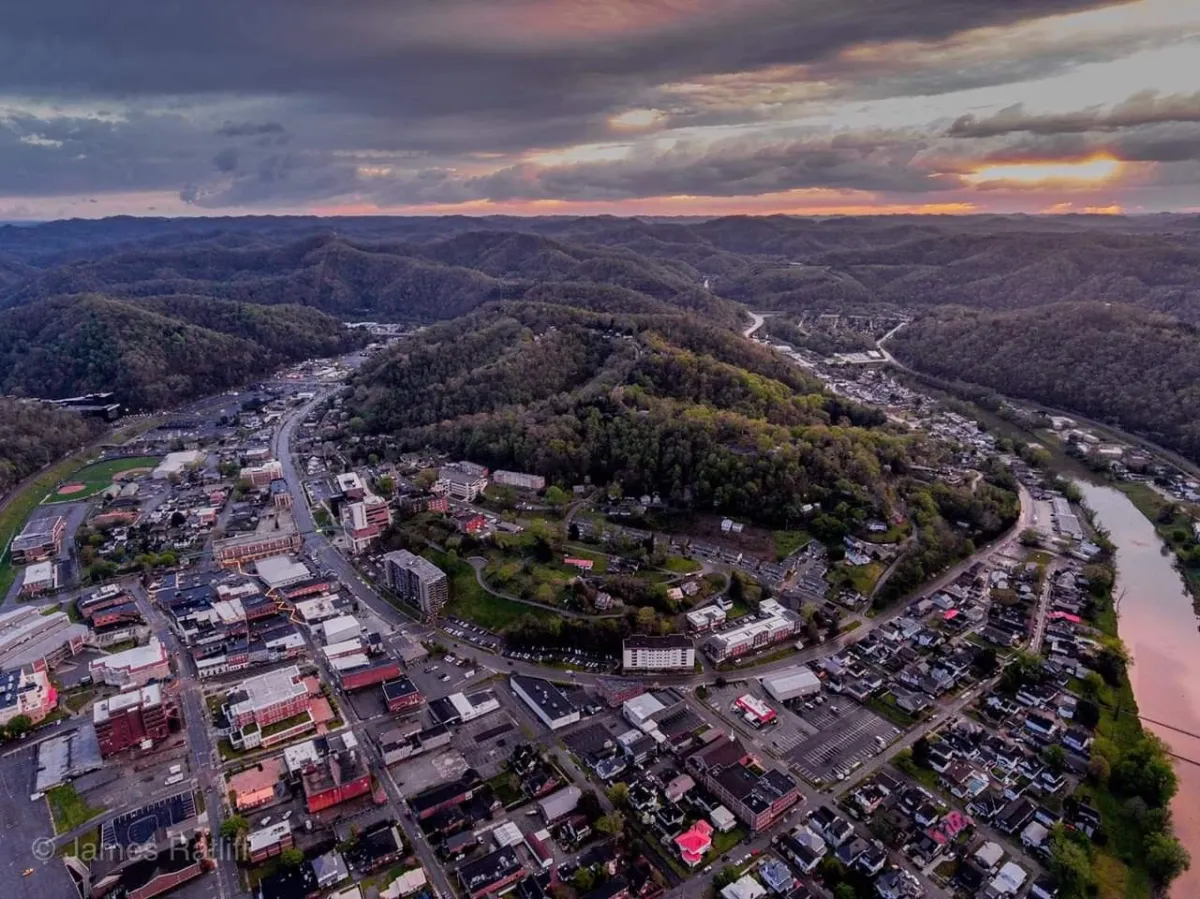 Photo: Pikeville, Kentucky, via i.pinimg.com
Pikeville Independent Schools launched their esports varsity program in 2022 under coach Danielle Sargent, a former competitive League of Legends player who moved back home after college and saw an opportunity hiding in plain sight. Eastern Kentucky has historically faced brutal statistics around college attendance and economic mobility. Esports, Sargent believed, could be a lever.
'These kids are already playing,' she explains. 'Every single one of them. They're playing eight hours a day after school, and nobody was telling them that could be a credential. That broke my heart a little.'
Sargent spent her first year fighting for the program's legitimacy — a fight that included a memorable school board presentation where she printed out a list of colleges offering esports scholarships and physically handed it to every board member. 'I needed them to see it on paper,' she says. 'Something about paper makes it real for people.'
Pikeville's program now has 24 active students across multiple game titles, a practice facility built from a converted computer lab, and — most importantly — four college scholarship placements in two graduating classes. For a district this size, in a county with this economic profile, those numbers are meaningful.
The Skepticism Is Still Out There
Neither Holloway nor Sargent will pretend the battle for legitimacy is fully won. School board resistance, parent skepticism, and the persistent cultural narrative that gaming is the opposite of productive remain real obstacles for programs like these.
Funding is the most concrete version of that skepticism. Traditional athletic programs in these districts receive equipment budgets, transportation funding, and facility support that esports programs have to beg for or fundraise around. A broken computer isn't replaced the way a broken football helmet is. Tournament travel — a critical part of building a college-ready resume — often comes out of the coach's own pocket or a GoFundMe that the team runs themselves.
'Football gets a new scoreboard and nobody blinks,' Holloway says, without particular bitterness. 'I ask for five new monitors and I'm presenting a business case to three different committees.'
The equity argument is starting to land in some districts, particularly as scholarship placement numbers become impossible to dismiss. But progress is slow, and the coaches doing this work are largely doing it because they believe in it — not because the system has caught up to them yet.
What Comes Next
Organizations like the High School Esports League (HSEL) and PlayVS have been expanding their infrastructure specifically to support programs in underserved districts, offering subsidized entry fees, equipment grants, and recruiting exposure for teams that wouldn't otherwise appear on a college scout's radar.
The pipeline is getting more formalized. But the human element — the coach in a storage room in Bryan, Texas, the former League player handing paper to school board members in Pikeville — that's where it actually starts.
Friday night has a new kind of highlight reel in small-town America. It's not always under stadium lights. Sometimes it's in a converted computer lab, and the scoreboard is a scholarship offer letter.
That's worth paying attention to.