Xbox vs. PlayStation in 2025: Microsoft Is Swinging Hard and Sony Needs to Answer
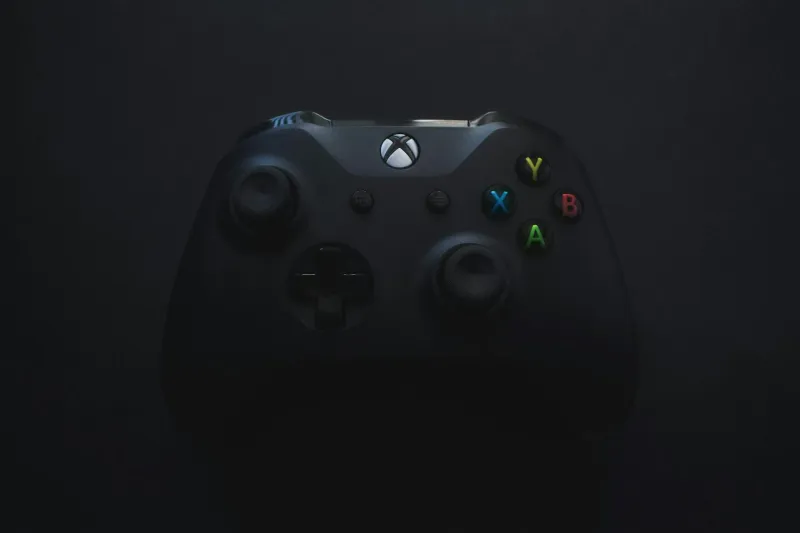
Xbox vs. PlayStation in 2025: Microsoft Is Swinging Hard and Sony Needs to Answer
The following reflects the opinion of LevelUpWire's editorial team and does not constitute financial or purchasing advice. It does, however, constitute a very strong take that we stand behind completely.
For a minute there, it looked like the console wars were over. PlayStation 5 dominated the sales charts, Xbox Series X sat in the corner looking like an expensive streaming box, and Microsoft seemed more interested in buying game studios than actually selling hardware. Sony fans felt comfortable. Maybe too comfortable.
Then 2025 happened.
And suddenly, the rivalry that defined a generation of gaming is back — sharper, louder, and more personal than it's been since the days of arguing about Halo versus God of War in middle school hallways.
What Microsoft Has Been Building (And Why It's Starting to Land)
Let's give credit where it's absolutely due. The Activision Blizzard acquisition, which closed in late 2023, took time to fully materialize — but in 2025, its weight is finally being felt across Game Pass. Call of Duty titles launching day-one on Game Pass has shifted real conversations at retail. When a parent walks into a Best Buy and realizes their kid can play the newest CoD without paying $70, the value proposition of an Xbox ecosystem subscription becomes genuinely difficult to argue against.
Game Pass Ultimate now sits at a subscriber count Microsoft has been increasingly willing to brag about publicly, and the numbers tell an interesting story. While Sony's PlayStation Plus has more total subscribers globally, Xbox's engagement metrics — hours played per subscriber, game library breadth, cross-device usage — are quietly becoming the more compelling pitch for American households.
And then there's the exclusive pipeline. Indiana Jones and the Great Circle turned heads. Avowed proved that Obsidian is firing on all cylinders. Microsoft Flight Simulator 2024 reminded everyone that "exclusive" doesn't always mean a linear action game — sometimes it means a jaw-dropping technical showcase that PlayStation simply cannot replicate.
Sony's Position: Still Dominant, But the Cracks Are Showing
Here's where we have to be honest in a way that might upset some PlayStation loyalists: Sony is coasting.
Not crashing. Not failing. Coasting.
The PS5 has sold brilliantly — it remains the best-selling current-gen console in the United States by a meaningful margin. God of War Ragnarök, Spider-Man 2, and Stellar Blade all delivered. Sony still makes some of the most cinematically polished single-player experiences in the industry, and that reputation carries real weight with American consumers.
But the exclusive announcement cadence has slowed noticeably. The PlayStation Plus value proposition, while improved from its rocky 2022 restructuring, still doesn't match the sheer volume of Game Pass day-one launches. And the hardware side? The PS5 Pro launched at a price point that made even die-hard Sony fans do a double-take at their bank accounts.
There's also the live-service miscalculation that Sony has been quietly walking back. After years of publicly committing to a wave of multiplayer live-service titles, several high-profile projects were cancelled or scaled back — a stumble that Microsoft, with its own live-service history, is smart enough not to point at too loudly.
What American Gamers Are Actually Choosing
Here's the ground truth: at major US retailers, PS5 still moves more units. Full stop. Brand loyalty runs deep, PlayStation's controller ergonomics have a passionate fan base, and Sony's exclusive library — particularly its story-driven single-player catalog — resonates strongly with the American mainstream gaming audience.
But the conversation at checkout is changing. We're hearing it in gaming communities, seeing it in forum threads, and watching it play out in subscription numbers. More American households are running both ecosystems simultaneously — a PS5 for Sony exclusives, an Xbox Series S (which, at its price point, is a legitimately brilliant piece of hardware) to access Game Pass. The binary "pick a side" mentality is eroding, and that actually benefits Microsoft more than Sony, because Xbox's entire value pitch is about the ecosystem, not the box.
PC gaming integration matters here too. Xbox's Play Anywhere titles and Game Pass PC tier mean Microsoft's ecosystem extends far beyond the living room in a way Sony is only beginning to address with its PC ports — which, to be fair, have been excellent. But late is still late.
The Next Six Months Could Flip Everything
Here's why the second half of 2025 is genuinely pivotal, and why we'd caution Sony against any victory laps right now.
Microsoft has a loaded release schedule heading into the holiday window. If even two or three of those titles land as critical and commercial hits, the narrative around Xbox — which has spent years being the butt of "no games" jokes — shifts permanently. The studio acquisitions are finally producing a volume of content that changes the conversation.
Meanwhile, Sony needs a marquee announcement that reminds the market why PlayStation is the premium choice. A new hardware reveal, a killer exclusive reveal, or a meaningful PlayStation Plus overhaul could reset the momentum. The rumor mill around next-gen hardware hints and a potentially rebooted exclusive franchise have the community buzzing — but buzz isn't product.
Our Take: Microsoft Is Winning the War of Perception Right Now
Sales charts still favor Sony. But perception — the thing that drives future purchasing decisions, that shapes what your friends tell you to buy, that dominates gaming subreddits and YouTube comment sections — is tilting toward Xbox in a way that would have seemed unthinkable three years ago.
Microsoft has done something remarkable: it turned a near-defeat into a compelling alternative narrative. You don't have to beat PlayStation in units sold to win the hearts of American gamers who value flexibility, value, and volume. And right now, Xbox is offering all three.
Sony still has the edge in prestige, in hardware sales, and in the kind of must-have exclusive moments that make gaming culture. But if the next six months play out the way Microsoft's release calendar suggests they might, we could be writing a very different headline by New Year's.
The console wars aren't over. They just got interesting again. And honestly? We wouldn't have it any other way.