Your State University Just Hired a Sleep Coach for Kids Who Play Video Games (And It's Working)
Dr. Sarah Mitchell has spent her career helping Olympic athletes optimize their sleep cycles for peak performance. She's worked with marathon runners, gymnasts, and professional swimmers. Her latest client? A 19-year-old who plays League of Legends for scholarship money.
 Photo: Dr. Sarah Mitchell, via winshipcancer.emory.edu
"People laugh when I tell them I'm a sleep consultant for gamers," Mitchell says from her office at the University of California, Irvine, where she's part of the most comprehensive esports support program in the country. "But these kids are competing at the highest levels of their sport. Their reaction times, decision-making, and mental stamina are just as important as any traditional athlete's."
 Photo: University of California, Irvine, via www.hillel.org
Welcome to the bizarre and surprisingly legitimate world of college esports, where state universities are building professional support infrastructures that would make NFL teams jealous—all for students who compete in video games.
The Professionalizing of Playing Games
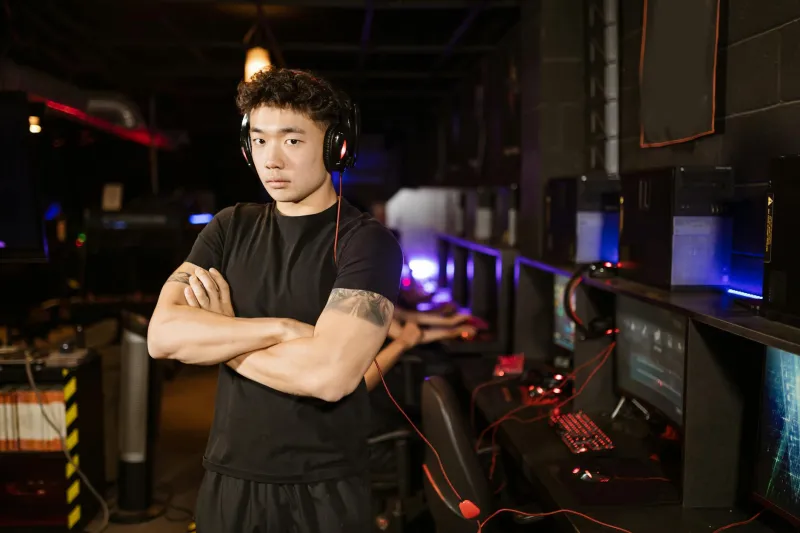
UCI's esports program doesn't just give students gaming PCs and call it a day. The university employs a full-time sports psychologist, two performance coaches, a nutritionist, and yes, a sleep specialist. Students receive individual training plans, mental health support, and dietary guidance designed to optimize their gaming performance.
"We treat this exactly like traditional varsity athletics," explains Mark Johnson, UCI's Director of Esports. "These students are competing for significant prize money, representing the university, and many are receiving substantial scholarships. The idea that we'd just throw them in a room with computers and hope for the best is absurd."
The numbers back up the investment. UCI's League of Legends team has won three consecutive collegiate championships, generating millions in publicity value and attracting top-tier recruits. The program's Overwatch team placed second nationally, earning $50,000 in prize money that goes directly back into program funding.
But UCI isn't alone. According to the National Association of Collegiate Esports, over 300 colleges now offer varsity esports programs, and the most successful ones are those treating competitive gaming with the same seriousness as traditional sports.
The Science of Gaming Performance
Dr. Jennifer Park, UCI's sports psychologist, spends her days helping gamers manage performance anxiety, develop mental resilience, and maintain focus during marathon tournament sessions that can last 12 hours.
 Photo: Dr. Jennifer Park, via nycancer.com
"The psychological demands are actually more intense than many traditional sports," Park explains. "These athletes need to maintain peak concentration for hours at a time, make split-second decisions under pressure, and coordinate complex team strategies in real-time. The mental fatigue is extraordinary."
Park's techniques include meditation training, visualization exercises, and cognitive behavioral therapy specifically adapted for competitive gaming. She's developed protocols for managing "tilt"—the gaming term for emotional frustration that leads to poor decision-making.
"We track their biometric data during competitions," she adds. "Heart rate, stress hormones, reaction times. The physiological stress of a major tournament is comparable to what we see in high-level traditional athletics."
Nutrition for Digital Athletes
Perhaps the most surprising addition to college esports programs is specialized nutrition coaching. Dr. Amanda Rodriguez, UCI's performance nutritionist, works with gamers to optimize their diet for sustained mental performance.
"The stereotype is energy drinks and pizza," Rodriguez laughs. "But that's exactly what destroys performance. Sugar crashes, caffeine dependency, poor hydration—it's a recipe for inconsistent play."
Rodriguez has developed meal plans that prioritize stable blood sugar, optimal hydration, and nutrients that support cognitive function. Her gamers follow eating schedules as rigorous as any endurance athlete's.
"We're looking at omega-3 fatty acids for brain health, complex carbohydrates for sustained energy, and careful caffeine timing to avoid crashes during crucial matches," she explains. "The difference in performance is measurable."
The Sleep Revolution
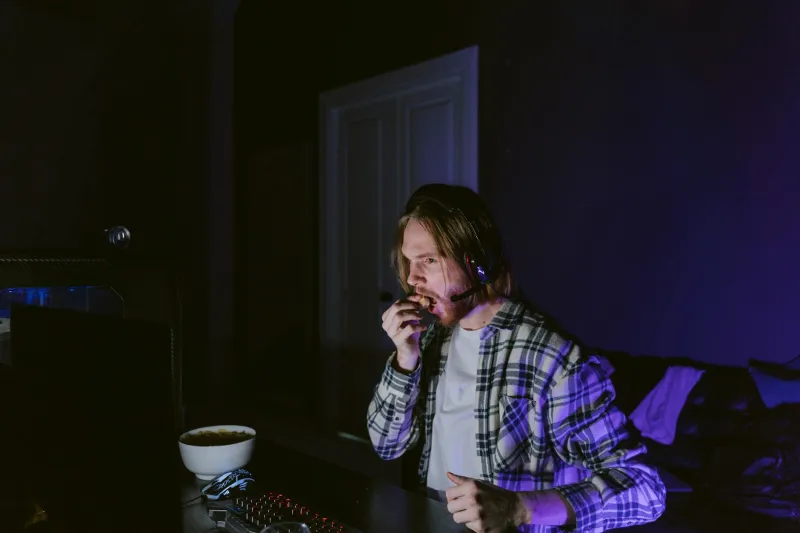
But it's the sleep coaching that represents the most dramatic departure from gaming culture. Dr. Mitchell works with each student to optimize their sleep schedule for peak gaming performance—often fighting against years of terrible habits.
"Gamers are notorious for staying up all night and sleeping during the day," Mitchell says. "But competition schedules don't accommodate that lifestyle. We need these athletes performing at 2 PM on a Saturday, not 2 AM on a Tuesday."
Mitchell's program includes sleep hygiene education, circadian rhythm optimization, and even specialized lighting systems designed to help gamers maintain healthy sleep cycles despite spending hours in front of screens.
"We track their sleep data just like any other performance metric," she explains. "Poor sleep quality directly correlates with slower reaction times, worse decision-making, and increased emotional volatility. In competitive gaming, that's the difference between winning and losing."
The Money Behind the Madness
All this support doesn't come cheap. UCI's esports program operates on a $2.3 million annual budget, funded through a combination of university support, corporate sponsorships, and tournament winnings. The university justifies the expense by pointing to recruitment benefits, alumni engagement, and the program's positive impact on the school's tech-forward reputation.
"Our esports program attracts students who might otherwise choose other universities," admits Johnson. "These are often high-achieving students in computer science, engineering, and business programs. The esports scholarship might bring them here, but they're contributing to the entire university community."
Critics argue that state universities shouldn't be spending taxpayer money on elaborate gaming programs, especially when traditional academic departments face budget cuts. But supporters point out that esports scholarships often cost less than traditional athletic scholarships while attracting students with strong academic credentials.
The Generational Divide
The professionalization of college gaming represents a broader cultural shift that older generations struggle to understand. When universities hired strength coaches for football players, it made intuitive sense. When they hire sleep coaches for gamers, it seems absurd—until you see the results.
"My parents thought I was wasting my college years playing video games," says Marcus Chen, a senior on UCI's Valorant team who receives a partial scholarship. "Now I'm graduating with a computer science degree, I've learned teamwork and leadership skills through competitive gaming, and I have job offers from tech companies that specifically value my esports experience."
Chen's story illustrates the broader transformation: competitive gaming is becoming a legitimate pathway to career opportunities in technology, marketing, and entertainment industries.
The Future of Digital Athletics
As esports continues to professionalize, the support infrastructure will only become more sophisticated. Some programs are experimenting with virtual reality training, biometric monitoring, and even specialized physical conditioning designed to prevent gaming-related injuries.
"We're essentially creating a new model for what athletic excellence looks like in the digital age," reflects Dr. Park. "These students are pioneers in a form of competition that didn't exist when their parents were in college."
The question isn't whether college esports programs will continue to grow—they will. The question is whether the investment in professional support services represents genuine innovation in athletic training or an elaborate justification for expensive gaming habits.
But when you watch UCI's League of Legends team execute a perfectly coordinated team fight under tournament pressure, supported by months of psychological training, nutritional optimization, and sleep cycle management, the answer becomes clear: this isn't just playing games anymore. It's athletic performance optimized for the digital age.
And yes, they have a sleep coach. And yes, it's working.