Silver Gamers Rising: How Grandma's New Nintendo Habit Is Revolutionizing Retirement
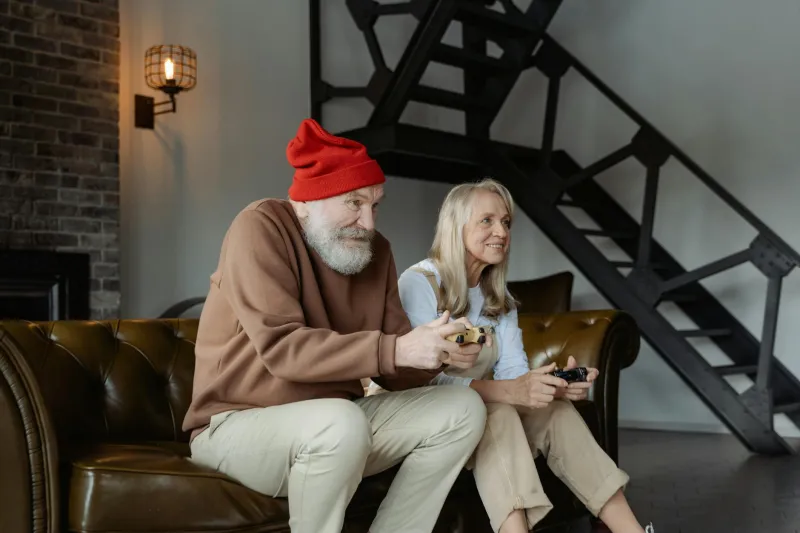
The 82-Year-Old Bowling Champion of Sunset Manor
Every Tuesday at 2 PM, the residents of Sunset Manor Assisted Living gather around a 65-inch TV for what they call "Wii Club." Leading the charge is Eleanor Martinez, 82, who discovered Nintendo bowling three months ago and hasn't looked back.
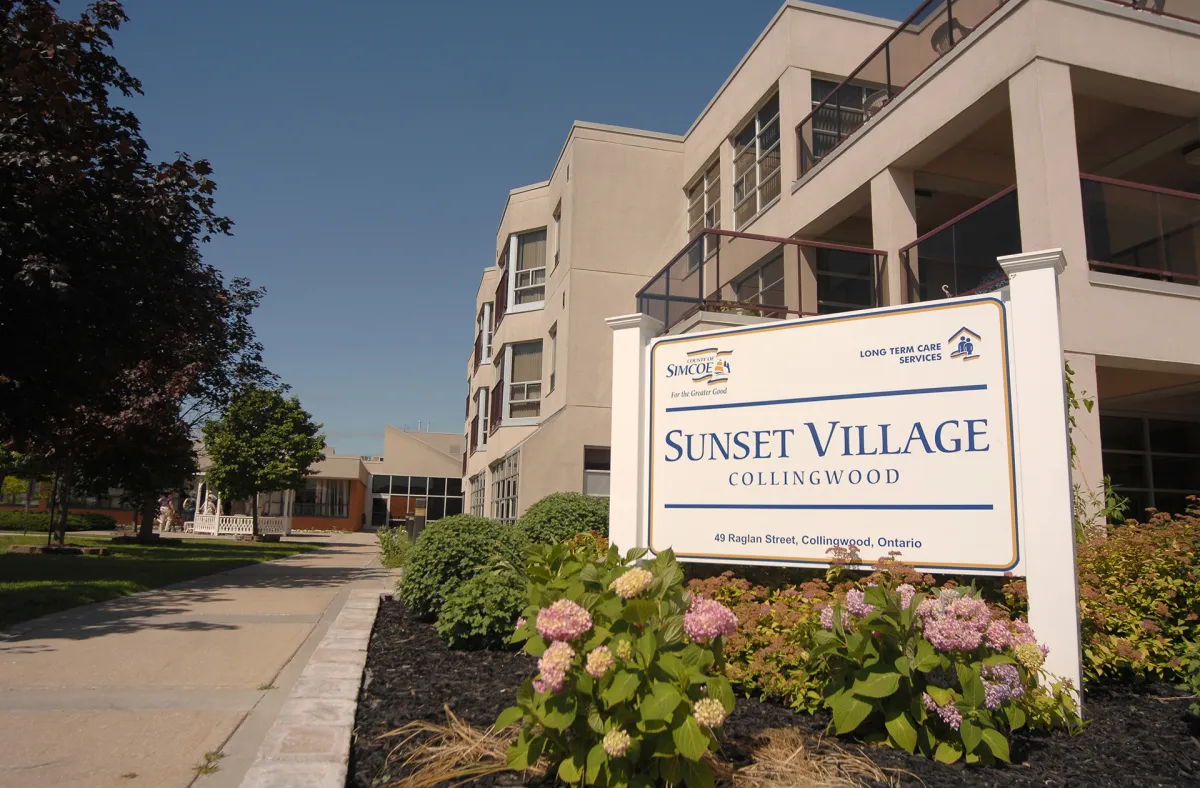 Photo: Sunset Manor Assisted Living, via simcoe.ca
"I bowled in a league for forty years before my knees gave out," Eleanor explains, adjusting her grip on the Wii Remote. "This lets me bowl strikes again without worrying about falling on my face." She pauses to nail a spare, then grins. "Plus, I'm beating people sixty years younger than me online. That never gets old."
Eleanor's story isn't unique — it's happening in retirement communities across America. What started as a few scattered gaming programs has exploded into a full-blown movement, with seniors discovering that video games aren't just fun, they're literally life-changing medicine.
The Accidental Discovery That Changed Everything
The senior gaming revolution began almost by accident. Five years ago, activity director Janet Chen at Golden Years Community in Phoenix was desperate to find new ways to engage residents who'd grown bored with bingo and crafts.
"My nephew left his Nintendo Switch here after a visit," Chen recalls. "I figured, why not? I set it up in the common room with Mario Kart, thinking maybe a few people would try it. Within a week, we had a waiting list."
The response was so overwhelming that Chen had to institute a sign-up system. Residents who'd never touched a controller were staying up past their usual bedtimes to race go-karts and throw virtual punches in boxing games. More importantly, they were socializing, laughing, and moving their bodies in ways that traditional activities couldn't match.
The Science Behind the Silver Screen Success
What Chen witnessed anecdotally, researchers were documenting scientifically. Studies on gaming and aging have revealed benefits that sound almost too good to be true:
Cognitive Function: Regular gaming sessions improve memory, attention span, and problem-solving skills. Dr. Sarah Kim, a geriatrician at Johns Hopkins, found that seniors who game 3-4 hours per week show 23% better cognitive performance than non-gaming peers.
 Photo: Johns Hopkins, via ad009cdnb.archdaily.net
Physical Health: Motion-controlled games provide low-impact exercise that improves balance, coordination, and flexibility. Residents at facilities with gaming programs show 30% fewer falls and significantly better hand-eye coordination.
Social Connection: Multiplayer games combat isolation and depression. Gaming seniors report feeling more connected to both their peers and younger family members who share their new hobby.
"We're seeing improvements across every metric we track," Dr. Kim explains. "Gaming engages multiple brain regions simultaneously while providing social interaction and physical activity. It's like a Swiss Army knife for healthy aging."
From Skeptics to Speed Runners: The Conversion Stories
The transformation isn't always immediate. Frank Kowalski, 79, was openly hostile when Brookdale Senior Living in Tampa introduced gaming.
"I thought it was ridiculous," Frank admits. "Video games were for kids, not grown men who fought in Vietnam." But curiosity got the better of him when he saw other residents having fun with a fishing simulation.
"The graphics were so realistic, I forgot I wasn't at a real lake," he says. "Before I knew it, I was there every day, trying to catch bigger fish than the day before." Frank now spends three hours daily gaming and has become the facility's unofficial tech support, helping other residents troubleshoot controllers and navigate menus.
The most dramatic conversion belongs to Dorothy Williams, 85, who'd been withdrawn and barely speaking since her husband's death two years ago. Her daughter, Lisa, was running out of options when the facility introduced VR experiences.
"Mom tried the virtual travel program and 'visited' Paris for the first time since her honeymoon in 1962," Lisa explains. "She came out of that headset crying happy tears and talking more than she had in months. Gaming gave me my mother back."
The Developers Taking Notice
The gaming industry is finally waking up to this unexpected demographic. Companies like Nintendo have quietly started designing with seniors in mind, creating larger text options, simplified controls, and games specifically targeting older players.
"We realized we were missing a huge market," says Tom Bradley, a game designer at a major studio who requested anonymity. "Seniors have disposable income, time to play, and they're incredibly loyal customers once they find something they like. Plus, they're way less toxic in online games than teenagers."
Specialty developers are emerging too. Companies like SilverFit and Exergame create games specifically for senior communities, focusing on accessibility, health benefits, and age-appropriate content. These aren't dumbed-down versions of existing games — they're sophisticated experiences designed for players with 70+ years of life experience.
The Family Connection Multiplier
One unexpected benefit has been intergenerational bonding. Grandparents who game suddenly have common ground with grandchildren they previously struggled to connect with.
"My grandson taught me Minecraft, and now we build virtual houses together when he visits," says Robert Chen, 76. "Before gaming, we'd sit quietly watching TV. Now we have adventures together. It's brought us closer than I ever imagined possible."
Families report that gaming has become a bridge across generational gaps, giving grandparents and grandchildren shared experiences and inside jokes. Some retirement communities now host family gaming nights, where three generations compete in the same tournaments.
The Unexpected Competitive Scene
Perhaps the most surprising development has been the emergence of senior esports. Retirement communities across the country now host tournaments, with prizes ranging from gift cards to bragging rights.
"Our Mario Kart championship gets more heated than any poker game," laughs Maria Santos, activities director at Riverside Senior Living. "These folks are competitive, and they take their racing seriously. We've had to institute a no-trash-talking rule."
Some communities have even formed leagues, competing against other facilities in virtual bowling, golf, and racing tournaments. The trash talk may be gentler than traditional esports, but the competitive spirit burns just as bright.
The Healthcare Revolution Hiding in Plain Sight
Doctors are starting to prescribe gaming as legitimate therapy. Physical therapists use motion-controlled games for rehabilitation. Occupational therapists employ puzzle games to maintain fine motor skills. Mental health professionals recommend social gaming to combat isolation.
"Gaming hits multiple therapeutic targets simultaneously," explains Dr. Amanda Rodriguez, who specializes in geriatric medicine. "It's cognitive stimulation, physical therapy, and social interaction rolled into one engaging package. We're seeing better outcomes than with traditional interventions."
The Business of Silver Gaming
The economic impact is substantial. Senior living facilities with robust gaming programs report higher satisfaction scores, longer resident retention, and increased family referrals. Gaming equipment companies are developing senior-specific product lines, from large-button controllers to specialized headsets.
"Gaming programs pay for themselves within six months," notes industry consultant David Park. "The equipment costs are minimal compared to the benefits in resident satisfaction and reduced healthcare interventions."
Looking Ahead: The Future of Aging
As the first generation of video game players enters retirement age, this trend will only accelerate. Baby Boomers who grew up with Pac-Man are now discovering that their childhood hobby has become their key to healthy aging.
"We're just seeing the beginning," predicts Dr. Kim. "In twenty years, retirement communities without gaming programs will seem as outdated as facilities without internet access do today."
The revolution is already spreading beyond formal senior living. Community centers, libraries, and even hospitals are implementing gaming programs for older adults. What started as a curious experiment has become a movement that's redefining what it means to age gracefully in America.
Eleanor Martinez, still dominating the virtual bowling lanes at Sunset Manor, puts it best: "People always talk about acting your age. Well, I'm 82, and this is how 82 acts now. We're not sitting in rocking chairs waiting to die — we're out here setting high scores and having the time of our lives."
Game on, grandma. Game on.