The Day Your Games Died
Remember when buying a game meant you actually owned it? Those days are deader than a noob in a Dark Souls boss fight. Welcome to the era of the corporate kill switch, where every online-only game you've ever loved comes with an invisible expiration date stamped right on the digital receipt.
 Photo: Dark Souls, via is1-ssl.mzstatic.com
Last month alone, we watched three major titles announce their "end of service" dates. That's corporate speak for "we're pulling the plug and your $60 investment is about to become a very expensive coaster." And here's the kicker — there's absolutely nothing you can do about it.
The Million-Dollar Graveyard
Let's talk numbers, because they're absolutely terrifying. Since 2020, over 150 online-only games have been permanently shut down in the US market. That represents roughly $2.3 billion in consumer spending that just... vanished. Poof. Gone faster than your K/D ratio in a Call of Duty lobby.
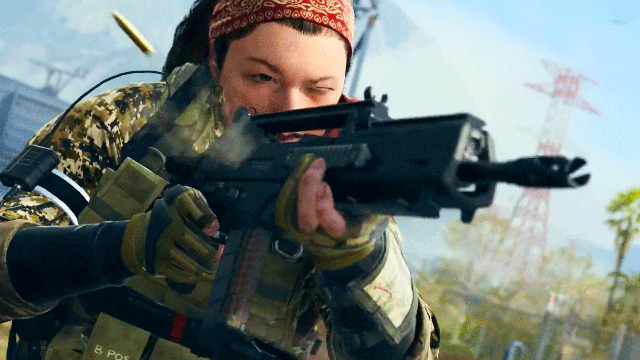 Photo: Call of Duty, via sm.ign.com
Anthem? Dead. Paragon? Buried. Marvel's Avengers? Flatlined. These weren't small indie experiments — these were AAA productions with marketing budgets that could fund small countries. Epic Games literally deleted Paragon from existence, refunding players but erasing hundreds of hours of progress like it never happened.
The worst part? Every single one of these shutdowns was completely legal. When you "buy" an online-only game, you're not actually purchasing anything. You're renting server access with no guarantee of how long that access will last.
The Legal Loophole That's Eating Your Wallet
Here's where things get really ugly. US consumer protection laws are basically useless when it comes to digital game ownership. That 47-page Terms of Service agreement you definitely didn't read? It's a legally binding contract that essentially says the publisher can kill your game whenever they feel like it.
The Federal Trade Commission has been suspiciously quiet about this growing crisis. Meanwhile, European regulators are starting to ask uncomfortable questions about digital ownership rights. But in America? It's the Wild West, and publishers are the ones with all the guns.
Consider this: if you bought a physical product that the manufacturer could remotely disable at any time, you'd be calling your lawyer. But somehow, when it's a video game, we've all just accepted that our $70 purchase might self-destruct without warning.
The Live-Service Lie
Publishers love to sell us on the "live-service" dream. Regular updates! Fresh content! A game that evolves! What they don't mention is that live-service games have an average lifespan of just 18 months before publishers start eyeing the exit.
The math is brutal but simple: maintaining servers costs money. The moment a game stops generating enough revenue to justify those server costs, it's marked for termination. Your emotional investment, your time, your money — none of that factors into the spreadsheet.
Take Babylon's Fall, Square Enix's spectacular failure that lasted exactly 11 months. Players who bought the $60 deluxe edition got less than a year of access before the servers went dark. That's roughly $5.45 per month for a game that was fundamentally broken from day one.
Fighting Back: Your Digital Survival Guide
So what can you actually do to protect yourself? The sad truth is: not much. But here are some strategies that might help you avoid the worst of the carnage:
Research the Publisher's Track Record: Companies like EA and Activision have extensive graveyards of dead online games. If they've killed games before, they'll do it again.
Avoid Day-One Purchases: Let someone else be the beta tester. If a game survives its first year, it might actually have staying power.
Read the Fine Print: Look for games that promise offline modes or local server options. They're rare, but they exist.
Support Preservation Efforts: Organizations like the Game Preservation Society are fighting for your right to actually own your games. Throw them some support.
The Ticking Time Bomb in Your Library
Right now, you probably have at least a dozen online-only games in your digital library. Every single one of them is a ticking time bomb. The question isn't if they'll be shut down — it's when.
Fortnite might seem invincible, but remember: so did World of Warcraft 15 years ago. Even the biggest games eventually face their sunset. The difference is that when a traditional game dies, you can still install it and play it offline. When an online-only game dies, it's gone forever.
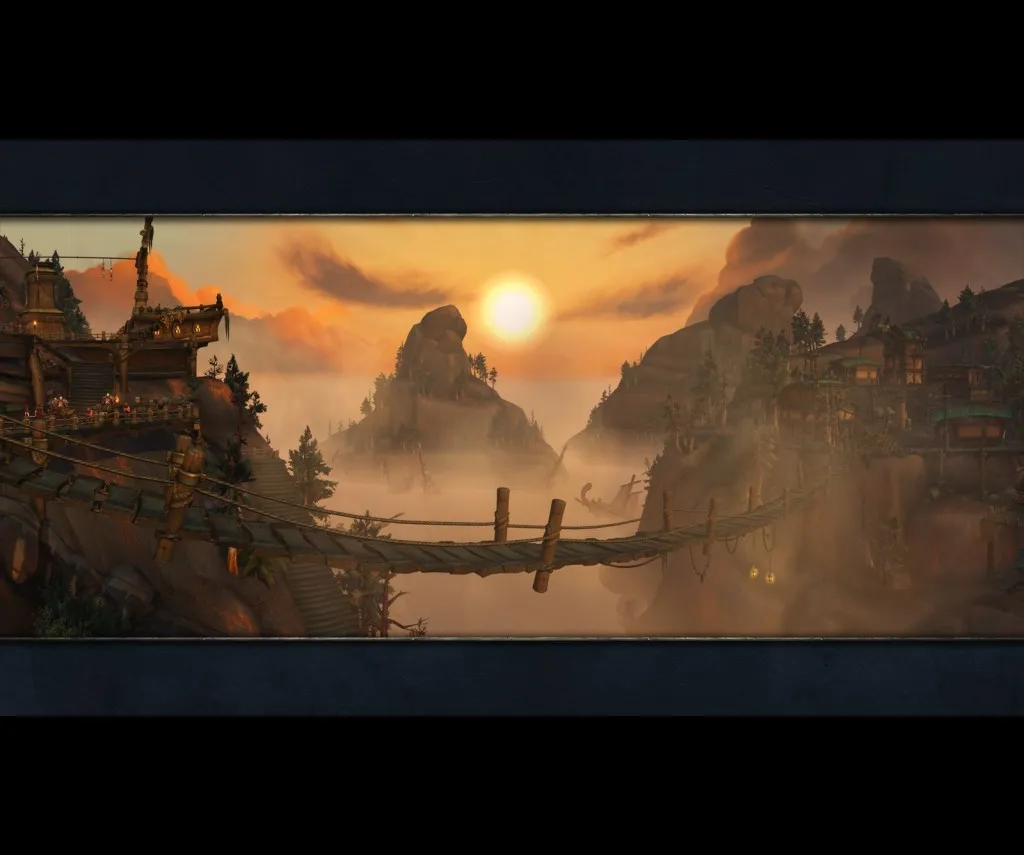 Photo: World of Warcraft, via www.hookedgamers.com
The Future of Digital Ownership
The gaming industry is rapidly moving toward a future where you own nothing and like it. Subscription services, cloud gaming, always-online DRM — every trend points toward a world where your game library exists entirely at the whim of corporate shareholders.
Until US lawmakers wake up and start treating digital ownership like real ownership, we're all just renting entertainment from companies that view our favorite games as quarterly revenue targets. The ghost servers are coming for every online title you love. The only question is which one dies first.