The Nostalgia Industrial Complex Has Your Number
Let's be brutally honest about what's happening here: the gaming industry has figured out that your childhood memories are more valuable than any new intellectual property they could possibly create. Why spend millions developing fresh concepts when they can slap a "classic edition" sticker on a game from 1995 and charge you seventy dollars for the privilege of reliving your youth?
This isn't just business — it's emotional manipulation with a price tag. And the most frustrating part? It's working. American gamers are opening their wallets faster than you can say "enhanced graphics" for products that often deliver less value than the originals we're supposedly upgrading from.
The Mini-Console Money Grab
Remember when the NES Classic launched and everyone lost their minds? Nintendo "accidentally" created artificial scarcity, discontinued the product just as demand peaked, then brought it back as if they were doing us a favor. The playbook was so successful that every major publisher immediately started planning their own nostalgia cash grabs.
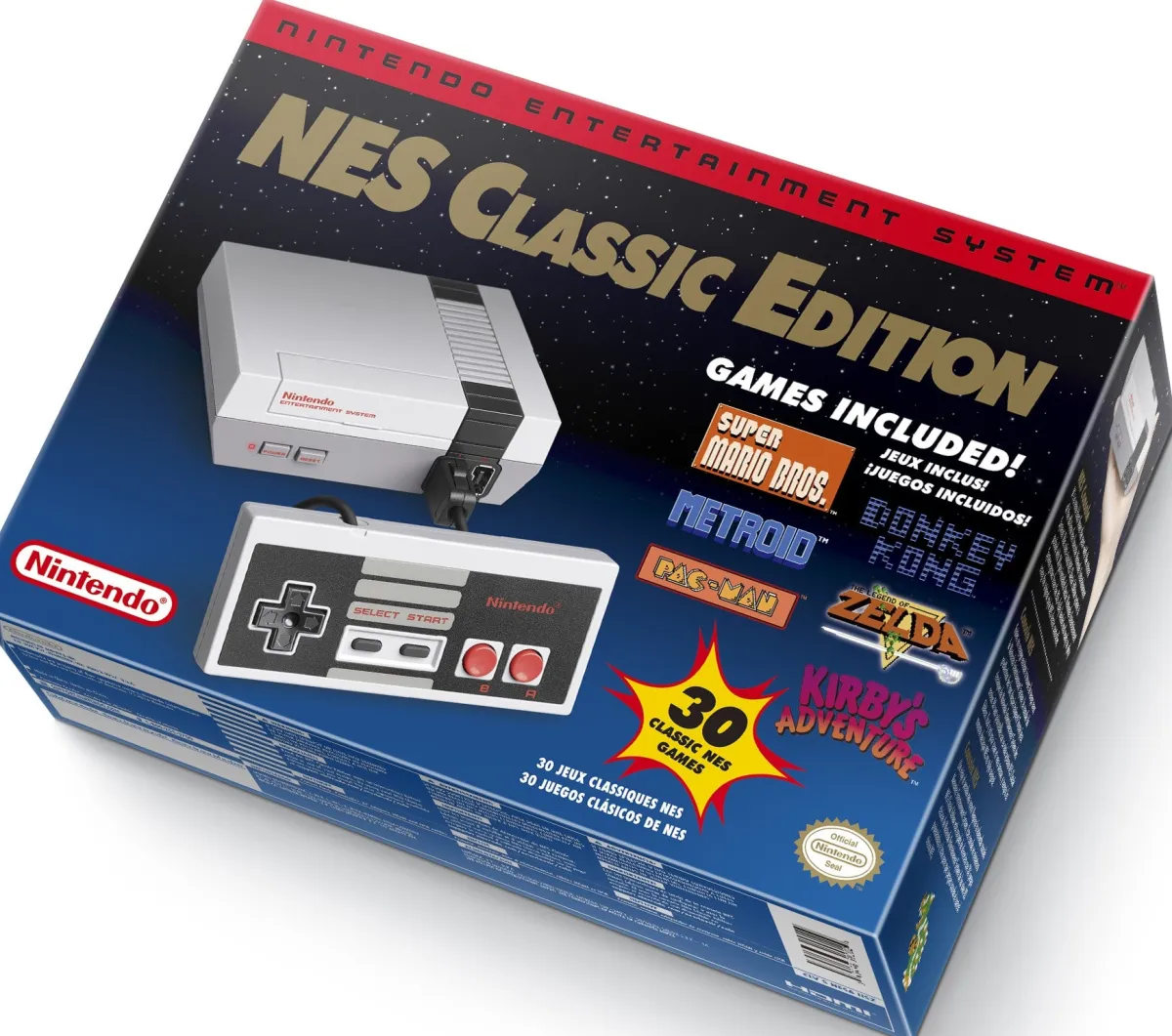 Photo: NES Classic, via assets2.ignimgs.com
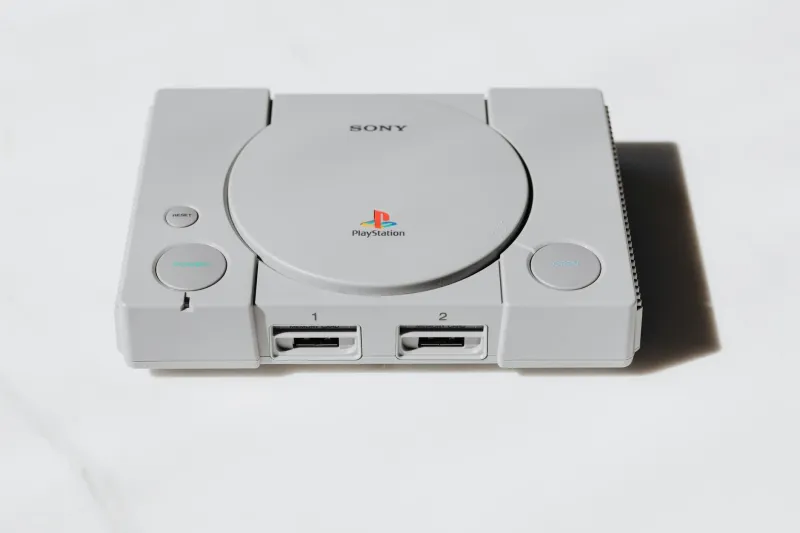
Suddenly we're drowning in mini-consoles. The SNES Classic, PlayStation Classic, Genesis Mini, Neo Geo Mini — each one promising authentic retro gaming at a premium price point. Here's what they don't advertise: most of these devices cost more per game than buying the originals on modern digital platforms, and they're often running inferior emulation compared to what's freely available online.
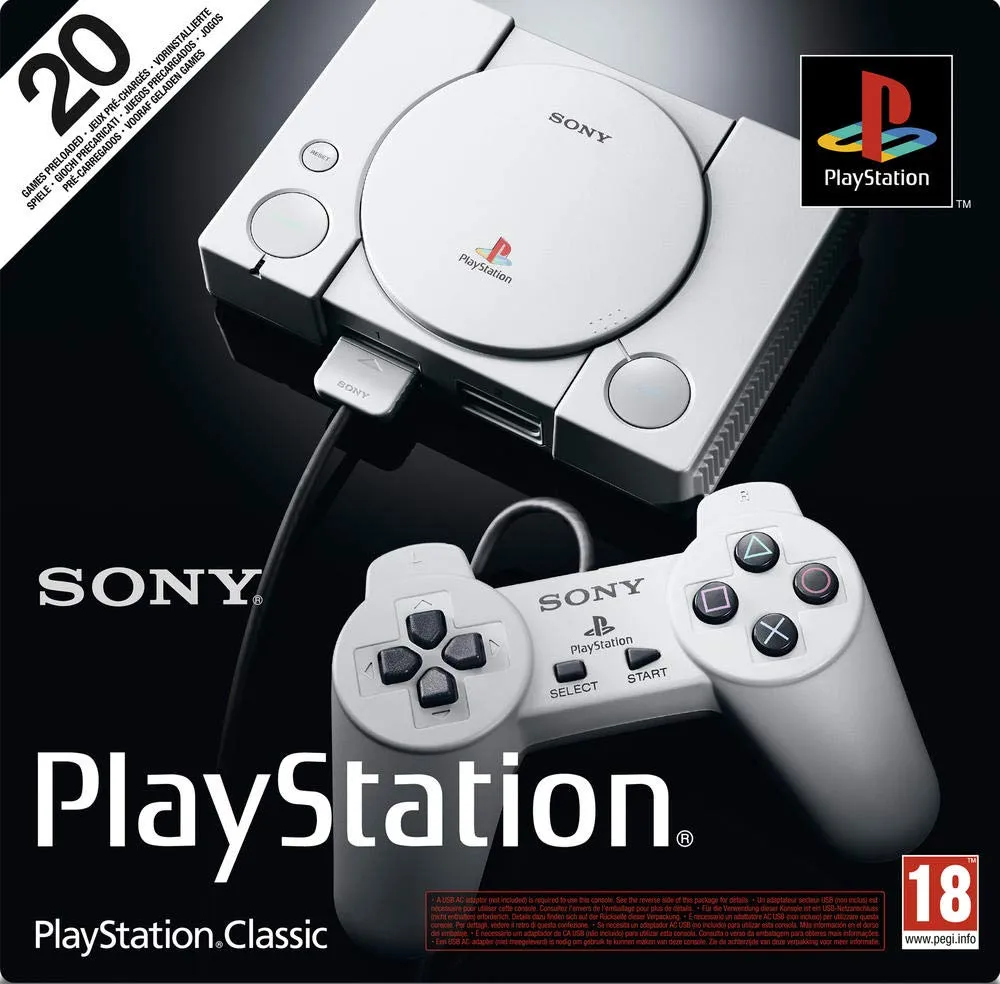 Photo: PlayStation Classic, via images-na.ssl-images-amazon.com
The PlayStation Classic was particularly insulting, launching at $100 with a game selection that felt like someone's "meh" pile and emulation quality that made fan-made alternatives look professional by comparison. Yet people bought them anyway, because sometimes the heart wants what the heart wants, even when the brain knows it's getting fleeced.
Remasters vs. Remakes vs. Ripoffs
The terminology around retro releases has become deliberately confusing, and that's not an accident. Publishers have learned to weaponize words like "remaster," "remake," and "definitive edition" to justify wildly different price points for essentially the same product.
A true remake involves rebuilding a game from scratch with modern technology — think Resident Evil 2 or Final Fantasy VII. A remaster typically means enhanced graphics and compatibility updates for modern systems. But what we're often getting are lazy ports with minimal improvements sold at full retail price.
The Grand Theft Auto Trilogy "Definitive Edition" became the poster child for this problem. Rockstar charged $60 for what amounted to mobile game ports of classic titles, complete with bugs that didn't exist in the originals and visual "improvements" that looked worse than mods created by fans for free. The backlash was swift, but the sales numbers told a different story — people bought it anyway.
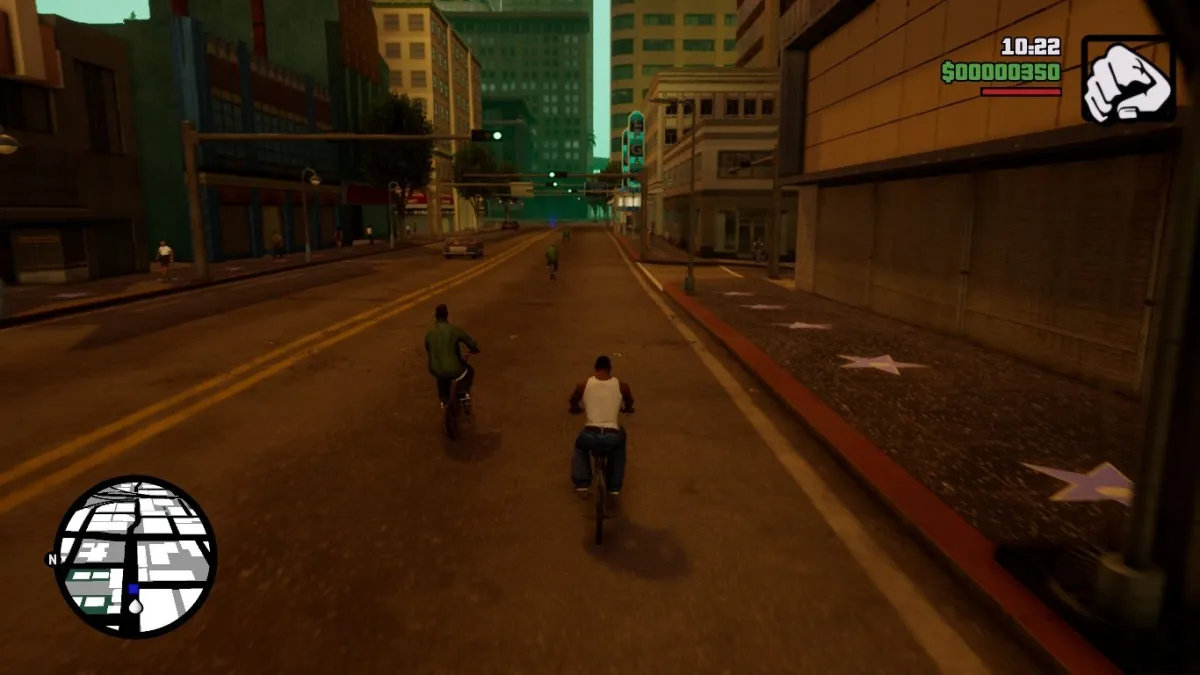 Photo: Grand Theft Auto Trilogy, via imag.malavida.com
The Full-Price Nostalgia Tax
Here's where the business model gets particularly predatory: publishers have trained consumers to accept that nostalgia comes with a premium price tag. Games that originally sold for $50 twenty years ago are now being re-released for $70, with minimal additional content and often inferior performance compared to emulated versions.
The Legend of Zelda: Skyward Sword HD exemplified this trend perfectly. Nintendo took a Wii game that many considered one of the weaker entries in the series, made minor control improvements, and charged full retail price for a ten-year-old game. The message was clear: your memories are worth whatever we decide to charge for them.
What's particularly galling is that these same companies often shut down fan projects and ROM sites while simultaneously profiting from nostalgia for the exact same games. They're protecting intellectual property they had no intention of monetizing until they realized how much money was sitting in our collective childhood memories.
The Artificial Scarcity Playbook
The most cynical aspect of the nostalgia business is how publishers have weaponized artificial scarcity to drive demand. Limited-time releases, numbered editions, and "vault" strategies that make classic games temporarily unavailable are all designed to trigger FOMO purchasing decisions.
Nintendo perfected this approach with their mobile game releases and limited-time digital sales. Super Mario 3D All-Stars was only available for a limited window, creating urgency around a collection of games that had been available in various forms for decades. The artificial deadline had nothing to do with technical limitations and everything to do with driving immediate sales at full price.
When Nostalgia Becomes Exploitation
The line between celebrating gaming history and exploiting consumer sentiment has become increasingly blurred. Publishers have discovered that they can charge premium prices for inferior products as long as they're wrapped in enough nostalgic packaging.
Consider the current state of classic arcade releases. Companies like Hamster Corporation pump out individual Neo Geo games for $8-15 each through their Arcade Archives series. These are ROM dumps with basic emulation — the same games that appear in $20 compilation collections elsewhere. But they're presented as premium individual releases, banking on the fact that dedicated fans will pay anything for their favorite obscure fighters or shoot-em-ups.
The Real Cost of Memory Lane
What's most frustrating about the nostalgia gaming economy is how it's crowding out resources that could be used for new experiences. Development teams that could be creating innovative games are instead spending months adding achievement support and HD graphics to games we've already played to death.
The opportunity cost is real. Every remaster is a potential new IP that doesn't get made. Every mini-console is R&D budget that doesn't go toward pushing gaming forward. We're essentially paying the industry to stay in the past while complaining that modern games lack originality.
The Consumer Responsibility Problem
Here's the uncomfortable truth: this exploitation only works because we enable it. Every time we pre-order a lazy remaster or camp outside stores for limited-edition retro hardware, we're sending a clear message about what the market will bear.
The solution isn't to never buy retro releases — some remasters and remakes genuinely add value and preserve gaming history. But we need to be more discriminating about which products deserve our money and which ones are just cynical cash grabs trading on our emotional attachments.
Breaking the Nostalgia Cycle
The power to change this dynamic lies with consumers, but it requires collective action and individual discipline. Stop buying every retro release on day one. Wait for reviews that honestly assess whether the product offers genuine improvements over existing options. Support companies that treat classic gaming with respect rather than those that view it as easy money.
Most importantly, recognize that your childhood memories don't need constant commercial validation. Sometimes the best way to honor the games you love is to let them exist as they were, rather than supporting inferior modern versions that diminish their legacy.
The nostalgia gaming industry will continue mining our memories for profit as long as we let them. The question is whether we're content to keep paying premium prices for our own past, or if we're ready to demand that our money fund gaming's future instead. Your wallet votes every time you make a purchase — make sure it's voting for the industry you actually want to support.