The Witching Hour Has WiFi
While you're tucked in bed dreaming of tomorrow's ranked climb, there's an entire shadow society of gamers who've discovered that the real competitive advantage isn't better gear or faster reflexes – it's knowing when to play.
Meet the 3AM meta: the underground culture of night-owl gamers who've turned insomnia into a competitive superpower and transformed the dead hours of night into gaming's most profitable time zone.
When the Casuals Sleep, the Legends Rise
"The game completely changes after 2 AM," explains Marcus "NightCrawler" Rodriguez, a Valorant player who's climbed from Gold to Radiant exclusively during overnight sessions. "Different players, different energy, different opportunities. It's like playing a completely different game."
Marcus isn't alone. Across America, thousands of competitive players have discovered that the hours between midnight and 6 AM offer unique advantages that most gamers never experience:
Server Population Shifts: With fewer casual players online, matchmaking algorithms behave differently. Queue times might be longer, but skill gaps become more predictable.
Regional Advantages: East Coast players can exploit West Coast server populations during their late-night hours, finding different competition pools.
Meta Discovery: New strategies and exploits are often discovered during off-peak hours when fewer players are around to counter or report them.
The Science of Sleep-Deprived Domination
The overnight gaming advantage isn't just anecdotal – there's actual data supporting the night shift strategy:
Matchmaking Mathematics: Most competitive games use player population to balance matchmaking. During peak hours (6-11 PM), you're competing against the largest, most diverse player pool. After 2 AM, that pool shrinks and becomes more predictable.
Exploit Windows: Game developers typically patch and monitor during business hours. New exploits or overpowered strategies often have their longest lifespan during overnight hours, giving night players first access to game-breaking advantages.
Streaming Economy: Late-night streamers face less competition for viewers and often build more dedicated, engaged communities. The overnight streaming scene has its own economy and celebrity ecosystem.
Profiles from the Underground
Sarah "GhostQueue" Chen - The Apex Predator
Sarah works as a nurse, pulling 12-hour shifts that end at 7 PM. Instead of unwinding with Netflix, she fires up Apex Legends and grinds until 4 AM. Her strategy? Exploit the 2-5 AM window when servers are dominated by other serious players.
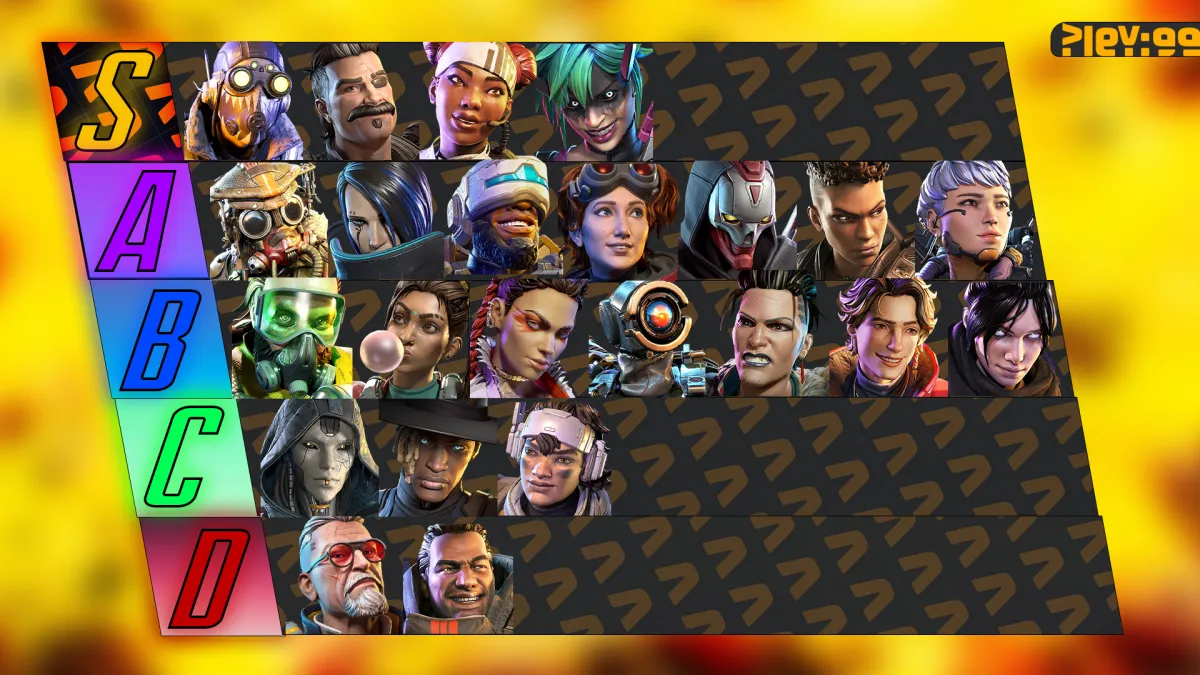 Photo: Apex Legends, via pley.gg
"During the day, you get a lot of random squads and casual players," Sarah explains. "At night, almost everyone online is there for a reason. The skill level is more consistent, which makes it easier to predict and counter strategies."
Sarah has reached Apex Predator rank three seasons running, exclusively through overnight play.
Jake "Midnight" Thompson - The Exploit Hunter
Jake is a college student who's turned overnight gaming into a profitable side hustle. He specializes in discovering new exploits and strategies during off-peak hours, then selling guides and coaching during peak times.
"I'll find a new wall-jump in Valorant or a broken weapon combo in Call of Duty around 3 AM," Jake says. "By the time most players wake up, I've already figured out how to counter it or maximize it. That's 8-12 hours of competitive advantage."
Jake's overnight discoveries have earned him over $15,000 in coaching fees and guide sales over the past year.
The "Graveyard Guild" - MMO Night Shift
In World of Warcraft, an entire guild called "Graveyard Shift" operates exclusively between midnight and 6 AM PST. Their raid times coincide with server maintenance windows and low-population periods, giving them access to resources and spawns that peak-hour players never see.
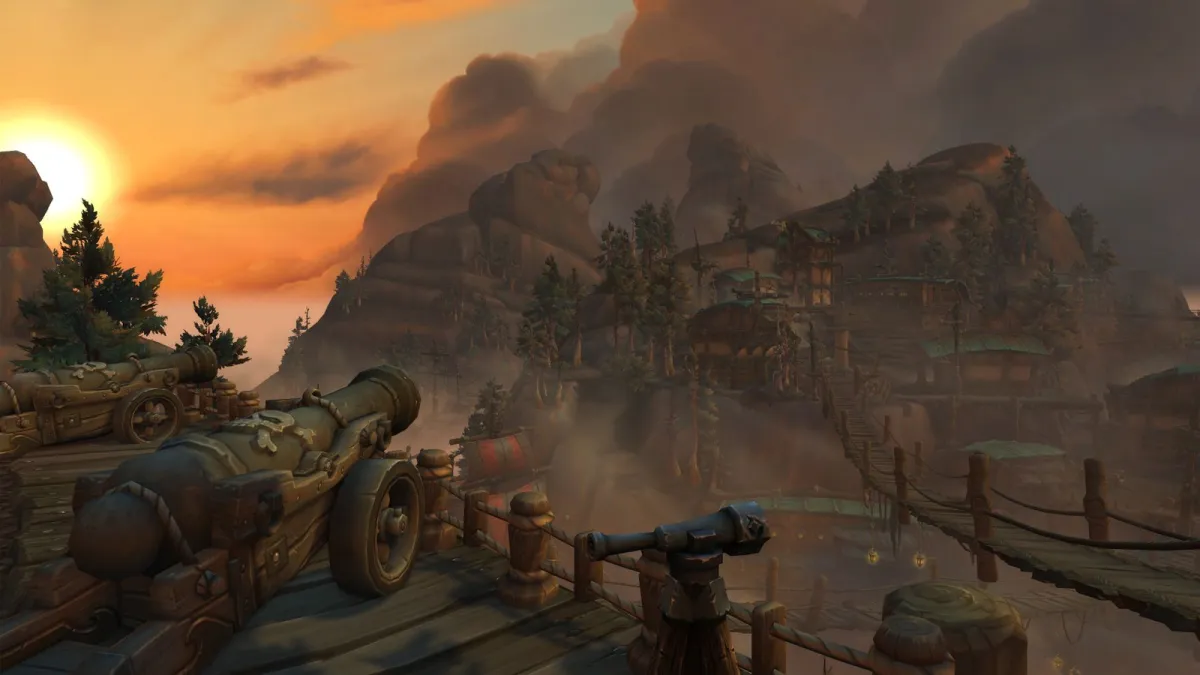 Photo: World of Warcraft, via assetsio.reedpopcdn.com
"We get first pick of world bosses, uncontested farming spots, and we can actually test raid strategies without interference," explains guild leader "NightOwl87." "Plus, our guild drama is minimal because we're all adults with weird schedules who just want to play efficiently."
The Dark Side of Night Gaming
The overnight gaming culture isn't all competitive advantages and secret strategies. There's a darker element that the community doesn't like to discuss:
Health Costs: Chronic sleep deprivation, energy drink dependency, and social isolation are common among dedicated night gamers.
Addiction Enablement: The quiet, unmonitored nature of overnight gaming can enable unhealthy gaming habits without the natural social breaks that daytime gaming provides.
Economic Pressure: Some night gamers are driven by financial necessity – working day jobs and gaming at night for income, creating unsustainable lifestyle patterns.
The Algorithm Advantage
Perhaps the most significant advantage of overnight gaming is how algorithms behave differently during low-population periods:
Recommendation Systems: Streaming platforms and social media algorithms have less content to choose from during overnight hours, meaning night streamers often get boosted visibility.
Matchmaking Adjustments: Many games relax their matchmaking criteria during low-population periods, creating opportunities for skilled players to face easier competition or for learning players to face more diverse skill ranges.
Content Discovery: New gaming content (videos, guides, streams) uploaded during overnight hours often faces less competition for algorithm attention.
The Economics of Insomnia
The overnight gaming economy is surprisingly robust:
Coaching Markets: Night gamers often charge premium rates for coaching during off-peak hours, capitalizing on their specialized knowledge.
Content Creation: Overnight streamers and content creators often develop more dedicated audiences and higher engagement rates.
Competitive Earnings: Tournament qualifiers and ranked climbs during overnight hours can be more profitable due to reduced competition.
The Future of Night Gaming
As gaming becomes more global and competitive, the overnight advantage is becoming more recognized and exploited:
Developer Response: Some game developers are starting to adjust their algorithms and systems to account for population fluctuations.
Professional Recognition: Esports organizations are beginning to scout talent during off-peak hours, recognizing the skill required to succeed in these environments.
Cultural Shift: The stigma around "nocturnal gaming" is fading as more people recognize it as a legitimate competitive strategy rather than just gaming addiction.
Welcome to the Night Shift
The 3AM meta isn't just about staying up late – it's about understanding that competitive gaming exists in multiple time zones, each with its own rules, opportunities, and communities.
Whether you're a night shift worker looking to maximize your gaming time, a competitive player seeking every possible advantage, or just someone curious about gaming's hidden subcultures, the overnight gaming world offers a completely different perspective on what it means to be a serious gamer.
Just remember: while the night shift legends are grinding in the dark, they're also sacrificing sleep, social connections, and sometimes their health for competitive advantage. The question isn't whether the 3AM meta works – it's whether the cost is worth the climb.
So next time you're lying awake at 3 AM, remember: somewhere out there, the night shift legends are leveling up while the rest of the world sleeps. The only question is whether you're ready to join them in the dark.