No Ring Light Required: The Scrappy Creator Generation Rewriting Gaming Fame From Scratch
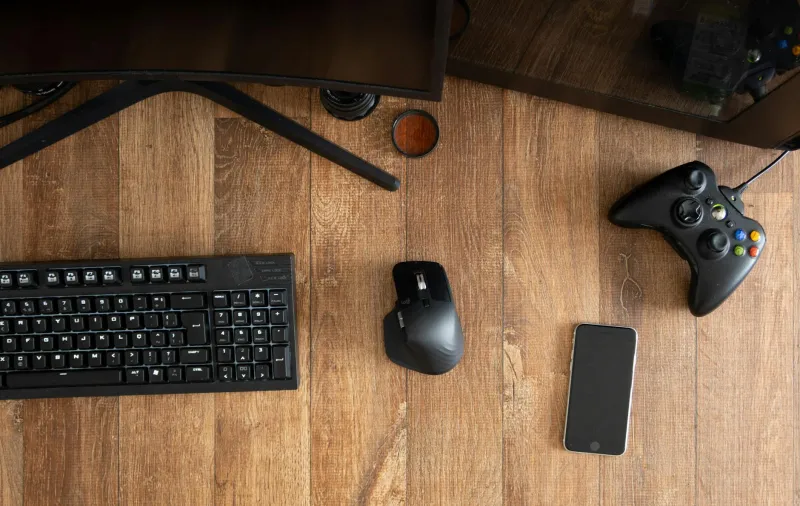
No Ring Light Required: The Scrappy Creator Generation Rewriting Gaming Fame From Scratch
Remember when "making it" as a gaming creator meant a broadcast-quality setup, a dedicated streaming PC that cost more than a used car, and a personality calibrated to appeal to literally everyone? The Ninja era — peak production, peak sponsorship, peak everything — set a template that felt both aspirational and quietly suffocating.
That template is crumbling. And what's replacing it is genuinely exciting.
Across TikTok, YouTube Shorts, and the increasingly chaotic frontier of Kick, a new generation of American gaming creators is building real audiences — sometimes massive ones — without the ring lights, the matching desk accessories, or the carefully workshopped on-camera persona. They're loud, weird, niche, and often filming in whatever corner of their apartment has decent natural light. And they're winning.
The Authenticity Arms Race
Here's the cultural shift in plain terms: audiences got wise. Years of over-produced, sponsorship-stuffed content trained viewers to recognize — and quietly resent — the gap between a creator's real personality and their on-camera brand. The parasocial relationship that makes gaming content so sticky only works when the audience believes they're seeing the actual person.
The new wave understood this instinctively. Unfiltered reactions. Genuine frustration when a game is bad. Opinions that might actually lose followers. The willingness to post a six-second clip of something funny that happened at 1am rather than waiting to package it into a 20-minute edited video.
TikTok's format supercharged this tendency. Short-form video rewards rawness in a way that long-form YouTube never quite did. A creator catching a wild gaming moment on a phone camera and posting it immediately — no editing, no intro, no "smash that like button" — can outperform a meticulously produced video with a fraction of the effort. The algorithm doesn't care about production value. It cares about watch time and shares.
The Niche Is the Strategy
Another thing the new generation figured out: you don't need a million subscribers if your ten thousand are obsessive.
The era of the general gaming channel — "I play everything, subscribe for variety!" — is functionally over as a growth strategy. Today's breakout creators are drilling down hard. Speedrunning content. Retro game archaeology. Obscure horror game deep dives. Live-service game drama coverage. Specific competitive game coaching. The more specific the niche, the more intensely devoted the community that forms around it.
This isn't just a content strategy — it's a monetization strategy. Niche audiences convert at higher rates on Patreon and membership tiers. They buy merch because it signals community membership, not just fandom. They show up for live streams consistently because the content feels made for them, not for an algorithm's broad tastes.
Creators who understand this aren't trying to be the next Ninja. They're trying to be the undisputed voice of a specific gaming subculture — and that's a more defensible position than chasing mainstream virality.
Kick's Wild Card Energy
You can't talk about the current creator landscape without acknowledging Kick, the streaming platform that launched with controversial backing but has since carved out a genuine niche as the "anything goes" alternative to Twitch's increasingly restrictive environment.
For a certain type of gaming creator — particularly those who've been clipped, banned, or shadow-restricted on Twitch — Kick represents a pressure release valve. The platform's more permissive content policies and reportedly better revenue splits have attracted a roster that ranges from genuinely talented streamers who chafed under Twitch's rules to, let's be honest, some deeply chaotic personalities who probably needed more moderation.
But here's the interesting part: Kick's chaos is also its culture. The platform has a scrappy, early-internet energy that some viewers find genuinely refreshing after years of hyper-corporate streaming norms. For creators willing to build there, the competition for attention is lower and the audience loyalty, so far, appears strong.
Whether Kick sustains its momentum or becomes a cautionary tale is still being written. But right now, it's a real option on the creator's menu — and the smartest new voices are treating it as one lane in a multi-platform strategy rather than a Twitch replacement.
The Monetization Playbook Has Been Rewritten
Ad revenue is table stakes now — not a strategy. The creators actually building sustainable income in 2025 are stacking multiple revenue streams in ways that would've seemed overly complex five years ago.
Here's what that looks like in practice:
YouTube ad revenue provides the baseline — still meaningful for long-form content, less so for Shorts. TikTok's Creator Fund is famously stingy, so smart creators use the platform for top-of-funnel discovery rather than direct income. Twitch or Kick subscriptions provide recurring monthly revenue from core fans. Patreon or membership tiers unlock the deep loyalists willing to pay for exclusive content, early access, or direct interaction. Brand deals — but increasingly with gaming-adjacent brands (energy drinks, peripherals, VPNs) rather than the massive consumer brands that flocked to the Ninja-era mega-streamers.
And then there's the long tail: merchandise, digital products (coaching sessions, gameplay guides), and for the creators who've built genuine cultural cachet, event appearances and collaborative projects with publishers who want authentic community access rather than a paid promo slot.
The seven-figure deals still exist — but they're being built brick by brick across platforms, not handed down from a single Twitch exclusivity contract.
What This Means for Gaming Culture at Large
The democratization of gaming content creation has real consequences for the industry beyond just the creator economy. Publishers and developers are increasingly aware that a single authentic TikTok from a mid-sized creator can move the needle on a game's visibility more than a traditional press release or a paid influencer placement.
The "earned media" value of a creator genuinely loving your game — and their audience trusting that love — is harder to buy and more powerful than anything a marketing budget can manufacture. The studios that understand this are building creator relationships early, providing access, and trusting the process. The ones that don't are still wondering why their $50,000 influencer campaign underperformed.
For the creators themselves, the message is both encouraging and sobering: the path exists, it's more accessible than it's ever been, and the competition is absolutely ferocious. There are more gaming content creators today than at any point in history. Standing out requires genuine point of view, community investment, and the willingness to be consistently, specifically yourself — not a sanitized version of what you think an audience wants.
The Cheat Code to Creator Success in 2025
If there's a formula emerging from watching this generation of creators build their audiences, it looks something like this: pick your lane, show up raw, and treat your community like the asset it actually is.
The ring light was never the point. The algorithm is a tool, not a boss. And the creators who are really winning right now aren't the ones who cracked some platform secret — they're the ones who made content they'd actually want to watch, found the people who felt the same way, and refused to sand down the edges that made them interesting in the first place.
The bedroom streamers are coming. Some of them are already here. And they didn't need a Twitch exclusivity deal to make it happen.