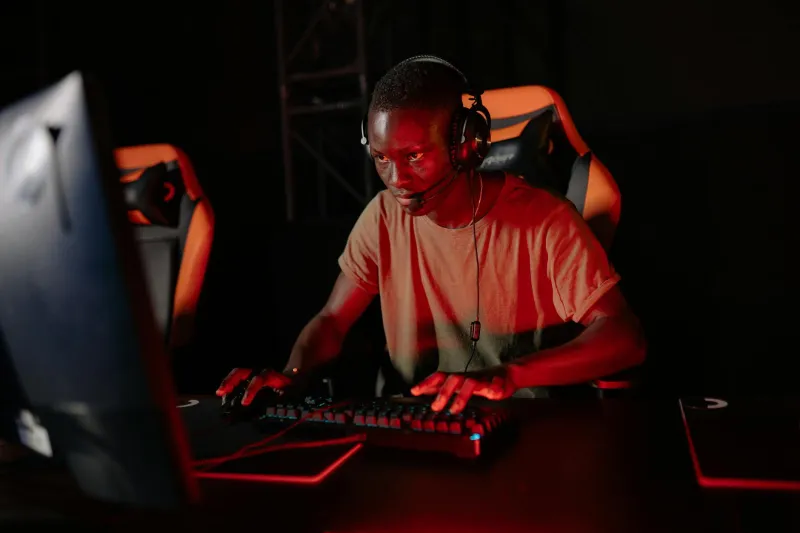
It's 2:47 AM. Your eyes are burning, your reaction time is shot, and you should have been asleep three hours ago. But that limited-time skin bundle just popped up in your notifications, and suddenly you're entering your credit card info like a zombie reaching for brains.
Welcome to the 3 AM economy — gaming's most profitable and least talked-about revenue stream.
The Witching Hour Gold Rush
The numbers don't lie: mobile gaming revenue spikes 23% between midnight and 4 AM compared to daytime hours, according to internal data from major publishers. Console digital purchases jump 31% during the same window. This isn't coincidence — it's design.
Game studios have discovered something retailers have known for decades: tired people make terrible financial decisions. But unlike late-night infomercials hawking kitchen gadgets, gaming companies have built entire economic ecosystems around sleep-deprived impulse buying.
"We see consistent patterns where engagement peaks in the early morning hours, particularly around limited-time offers," explains Dr. Sarah Chen, a behavioral economist who studies gaming monetization. "Players who wouldn't spend $5 on a cosmetic item at 2 PM will drop $50 on a bundle at 2 AM."
The Science of Sleepy Spending
Your brain at 3 AM is basically a different person making decisions. The prefrontal cortex — responsible for impulse control and rational thinking — starts shutting down after about 16 hours of being awake. Meanwhile, the limbic system, which controls emotional responses and reward-seeking behavior, stays active.
This creates what researchers call the "tired buyer phenomenon." Your logical brain that says "this is just a digital hat" goes offline, while your reward-hungry brain screams "shiny thing make happy feelings!"
Gaming companies have weaponized this vulnerability with surgical precision. Flash sales timed to hit peak tiredness. Push notifications that arrive when your defenses are lowest. Limited-time events that create artificial urgency when your ability to evaluate that urgency is compromised.
The Midnight Manipulation Playbook
Ever notice how Fortnite's item shop refreshes at midnight Eastern? Or how mobile games send their juiciest offer notifications between 1-4 AM? That's not serving global audiences — that's targeting American insomniacs.
The tactics are sophisticated and ruthless:
Circadian Targeting: Algorithms track when individual players are most likely to spend money, then serve up premium offers during those personal vulnerability windows.
Sleep Debt Exploitation: Games monitor play patterns to identify when players are operating on insufficient sleep, then increase the frequency and value of monetization attempts.
FOMO Amplification: Limited-time offers that would seem reasonable during the day become "must-have" purchases when your tired brain can't properly assess their actual value.
Progression Anxiety: Daily login bonuses, streak rewards, and time-gated content create fear of missing out that hits hardest when players are too tired to think rationally about what they're actually missing.
The Mobile Money Machine
Mobile games are the undisputed champions of midnight monetization. Games like Candy Crush, RAID: Shadow Legends, and countless gacha titles generate 40-60% of their revenue during overnight hours in their primary markets.
The mobile advantage is access. Your phone is already in bed with you. One notification, one tap, one Face ID confirmation, and boom — you've just spent $29.99 on gems you don't need for a game you'll probably delete next month.
"Mobile games have perfected the art of frictionless late-night purchasing," notes gaming industry analyst Marcus Rodriguez. "The barrier between impulse and action is basically nonexistent. Console games still require you to navigate menus and enter payment info. Mobile games can complete a transaction before your brain fully processes what's happening."
Console Catching Up
Traditional console makers aren't sleeping on the sleep-deprived market. Sony's PlayStation Store runs flash sales that mysteriously peak during overnight hours. Microsoft's Game Pass promotions hit hardest when American players should be dreaming, not gaming.
The Nintendo Switch's portable nature has made it a particular threat to late-night wallets. The eShop's "Great Deals" section becomes dangerously tempting when you're lying in bed, telling yourself you'll "just check what's on sale."
The Streaming Connection
Twitch and YouTube Gaming have become unwitting accomplices in the midnight money grab. Late-night streams create FOMO around new skins, characters, and content. Watching your favorite streamer open loot boxes at 2 AM while you're half-asleep is basically psychological warfare disguised as entertainment.
Viewership data shows that late-night gaming streams have disproportionately high conversion rates for sponsored content and affiliate links. Tired viewers are more susceptible to influencer recommendations and more likely to make impulse purchases based on what they see on stream.
The Real Cost of Sleepy Shopping
The 3 AM economy isn't just changing how games make money — it's changing how much money games make. Industry estimates suggest that overnight impulse purchases account for $3.2 billion annually in the US gaming market alone.
But the real cost isn't just financial. Sleep-deprived gaming creates a cycle of poor decision-making that extends beyond purchases. Players who stay up late spending money they don't have on games they don't need often compound the problem by playing longer to "get their money's worth," further disrupting their sleep patterns.
Fighting Back Against the Midnight Machine
The good news? Once you know the game, you can stop playing it. Simple strategies can protect your wallet from your sleep-deprived self:
- Set spending limits during designated "tired hours"
- Remove payment methods from mobile games
- Turn off gaming notifications between 11 PM and 7 AM
- Use "sleep mode" features that block in-app purchases during late hours
- Set up purchase confirmation delays that require you to wait 12 hours before completing transactions
The Future of Fatigue-Based Monetization
The 3 AM economy is just getting started. Emerging technologies like biometric monitoring could allow games to detect when players are physically tired and adjust monetization strategies in real-time. AI-powered spending prediction could identify the exact moment when each individual player is most vulnerable to making a purchase.
The question isn't whether gaming companies will continue exploiting tired players — it's how sophisticated that exploitation will become.
So the next time you get a notification about a "limited-time offer" at 2:30 AM, remember: your exhausted brain is exactly what they're counting on. The house always wins, but it wins biggest when you're too tired to realize you're playing.