Welcome to the Church of Plastic Rectangles
Congratulations! You've been successfully indoctrinated into one of America's most expensive religious movements. Whether you're Team PlayStation, Xbox faithful, or a Nintendo devotee, you've joined a cult that makes Scientology look budget-friendly. The only difference? Instead of worshipping alien overlords, you're genuflecting before plastic rectangles that play the same games with slightly different controllers.
The console wars aren't just marketing — they're psychological warfare designed to extract maximum cash from people who should know better. And brother, it's working better than anyone imagined.
The Holy Trinity of Financial Destruction
Sony, Microsoft, and Nintendo have achieved something remarkable: they've convinced rational adults to form tribal identities around consumer electronics. Think about how insane that is for a moment. You don't pledge allegiance to your refrigerator brand. You don't get into heated arguments about Toyota versus Honda loyalty. But mention the wrong console in the wrong room, and watch grown adults lose their minds defending a corporation that would sell their organs for quarterly growth.
The numbers tell the story. The average American console loyalist spends $2,847 more over a console generation than someone who simply buys whatever plays the games they want. That's not a typo. Brand loyalty is literally costing you the price of a decent used car every seven years.
The Exclusive Game Hostage Crisis
Here's where the manipulation gets truly diabolical. Exclusive games aren't just marketing perks — they're psychological hostage situations. Sony doesn't make The Last of Us exclusive to PlayStation because they love art. They do it because they've figured out that holding your favorite franchises hostage is the most effective way to guarantee your loyalty.
Consider the math: you want to play Spider-Man, so you buy a PlayStation 5 for $500. But you also want Halo, so now you need an Xbox Series X for another $500. Congratulations, you just spent $1,000 to access games that could technically run on either system. The only thing stopping you from playing Spider-Man on Xbox is a boardroom decision designed to maximize corporate profits.
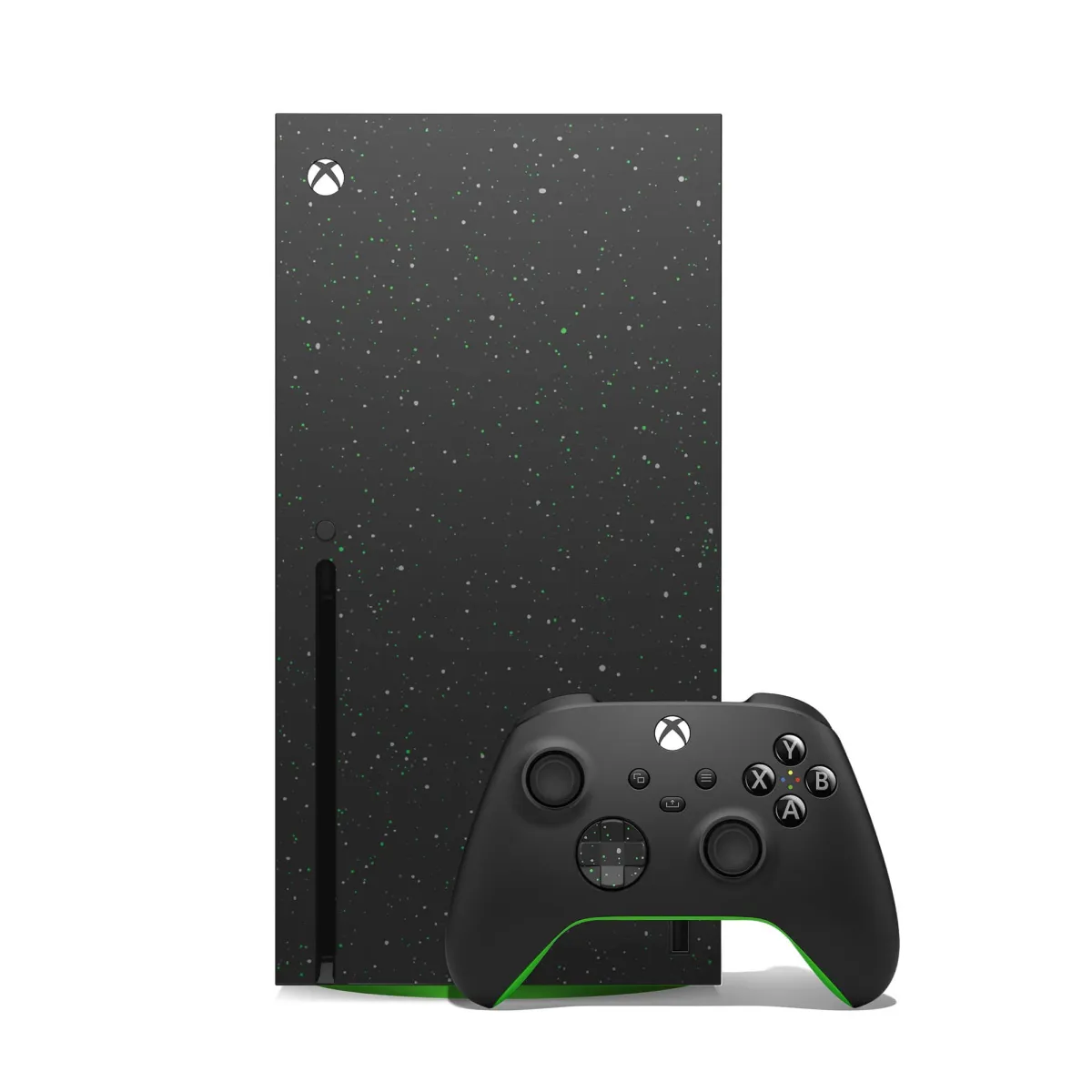 Photo: Xbox Series X, via pisces.bbystatic.com
Nintendo perfected this strategy decades ago. Want to play the new Zelda? That'll be $300 for a Switch, plus $70 for the game, plus another $70 for a Pro Controller that doesn't drift after six months. Total damage: $440 for one game. But hey, at least you're supporting the "innovative" company that's been selling you the same five franchises for 30 years.
The Sports Team Delusion
Console fanboys love to compare their loyalty to sports team fandom, but that comparison falls apart under scrutiny. Sports teams represent geographic communities, shared histories, and cultural identities. Your PlayStation loyalty represents... what exactly? Your deep emotional connection to a Japanese corporation's quarterly earnings?
Sports teams don't charge you $500 every time they change uniforms. They don't hold their star players hostage on other teams. And they certainly don't convince you that cheering for the wrong team makes you a fundamentally inferior human being.
Yet console warriors exhibit all the psychological markers of religious fundamentalism: unwavering faith in their chosen platform, hostile reactions to criticism, and the desperate need to convert others to their belief system. The only difference is that instead of promising eternal salvation, Sony promises slightly better graphics.
The Manufactured Scarcity Scam
Remember the PlayStation 5 "shortage"? That wasn't supply chain issues — that was deliberate scarcity marketing designed to increase demand. Create artificial rarity, watch people fight over your product, then swoop in as the generous corporation "meeting demand." It's the same strategy luxury brands use, except instead of handbags, it's gaming consoles.
The scarcity wasn't even real. Sony could have produced more PS5s, but limited supply creates the illusion of exclusivity. Suddenly, owning a PlayStation 5 wasn't just about playing games — it was about status, about being part of an elite group, about proving your dedication to the brand.
Microsoft played the same game with Xbox Series X, and Nintendo has been artificially limiting supply since the original NES. They've all figured out that people want things more when they can't have them, and they're exploiting that psychology to drive irrational purchasing decisions.
The Subscription Trap
But wait, there's more! Console loyalty doesn't end with the hardware purchase. Now you need PlayStation Plus, Xbox Game Pass, and Nintendo Switch Online to access basic functionality that used to be free. That's another $180 per year, per console, for the privilege of using the internet connection you're already paying for.
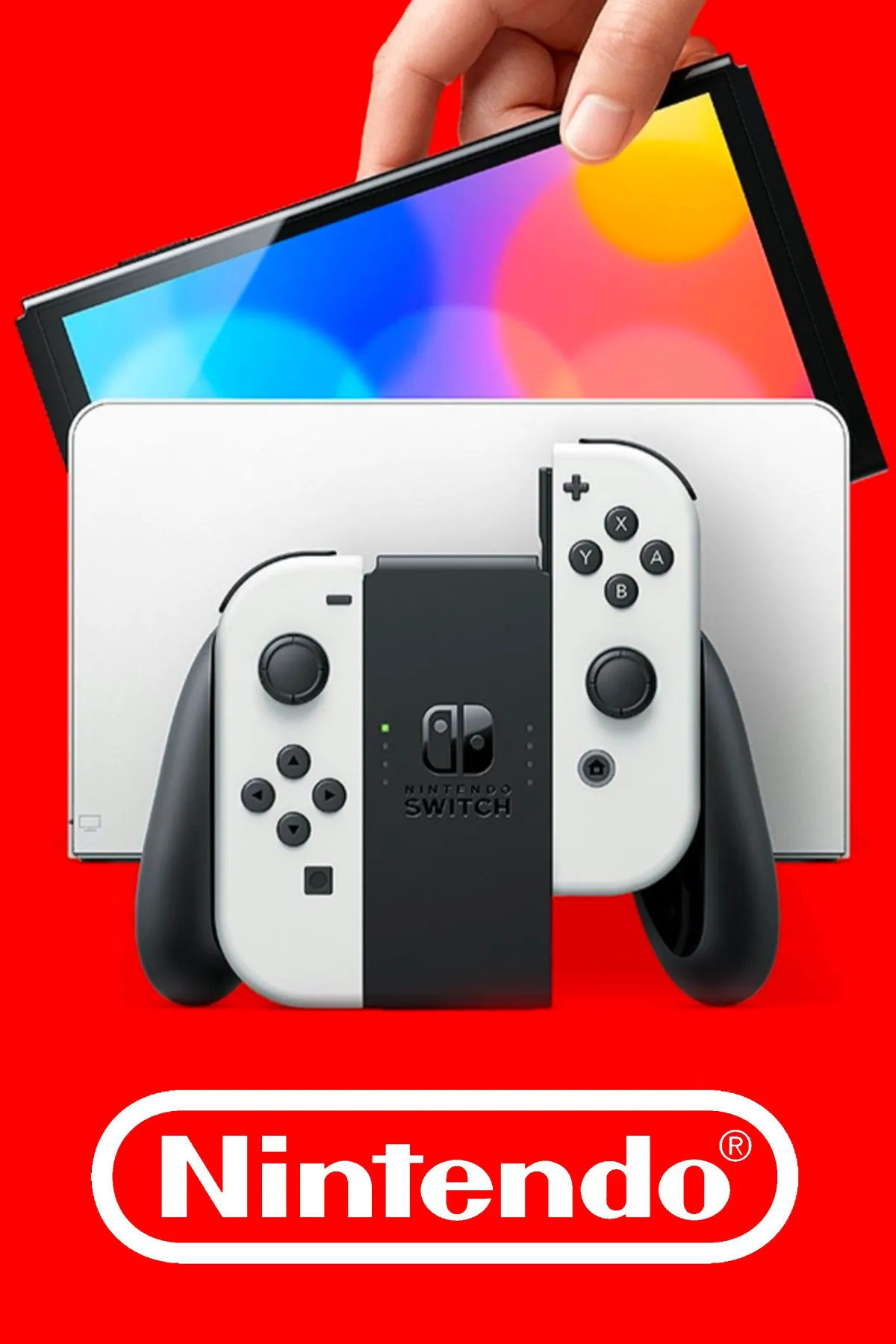 Photo: Nintendo Switch, via static1.srcdn.com
The subscription model is genius from a corporate perspective: instead of selling you a product once, they're renting you access to features that should be standard. It's like buying a car and then paying monthly fees to use the radio, air conditioning, and windshield wipers.
Game Pass gets particular praise for its "value," but let's do the math. At $180 per year, you're spending $1,260 over seven years for access to a rotating library of games you don't own. For that same money, you could buy 18 full-price games that you'd actually own forever. But ownership doesn't generate recurring revenue, so ownership had to go.
Breaking Free From the Matrix
Here's the uncomfortable truth: there's no meaningful difference between modern consoles. They play the same games, with the same graphics, at the same frame rates. The "exclusive" games you're fighting over represent maybe 10% of each platform's library. You're spending hundreds of extra dollars for access to games that could run on any modern system.
The smart play? Buy whatever console has the games you want to play right now, ignore the marketing hype, and stop treating corporations like sports teams. Your wallet will thank you, and you'll discover that games are actually more fun when you're not constantly defending your purchasing decisions online.
The True Cost of Loyalty
Console loyalty isn't just expensive — it's actively making gaming worse. When you pledge allegiance to a platform regardless of its actual merits, you remove the incentive for that company to compete on value. Why improve when your customers will buy anything you produce?
Sony charges $70 for games because PlayStation fans will pay it. Microsoft pushes always-online DRM because Xbox loyalists will defend it. Nintendo sells broken controllers because Switch owners will buy replacements instead of demanding better quality.
Your loyalty isn't being rewarded — it's being exploited. The companies you're defending don't care about you, your gaming experience, or your financial well-being. They care about extracting maximum revenue from your emotional attachment to their brand.
The Path to Gaming Enlightenment
Breaking free from console loyalty doesn't mean abandoning gaming. It means approaching it like a rational consumer instead of a religious zealot. Buy the console that plays the games you want. Skip the one that doesn't. Don't defend corporate decisions that hurt your interests. And for the love of all that's holy, stop arguing with strangers on the internet about plastic boxes.
The console wars are over. The corporations won, and your bank account lost. But it's not too late to declare independence from the most expensive fandom in American entertainment history.
Your move, player two.