
Your Rank Might Be Worth More Than You Think
While your parents are still asking when you're going to "get serious" about college applications, hundreds of universities across America are literally paying students to play video games. We're not talking about token $500 awards or participation trophies — some schools are offering full-ride scholarships worth $50,000+ annually to talented gamers. The kicker? Most high school students grinding ranked matches have absolutely no idea this opportunity exists.
Esports scholarships have exploded from a quirky experiment to a legitimate pathway for funding higher education. What started with a handful of forward-thinking schools has become a nationwide phenomenon, with over 300 colleges now offering competitive gaming scholarships. Yet somehow, this information hasn't filtered down to the students who need it most.
The Numbers That'll Make Your Parents Pay Attention
Let's cut through the noise with some hard facts: the National Association of Collegiate Esports (NACE) reports that member schools awarded over $16 million in esports scholarships last year alone. That's real money for real students, not some distant dream or marketing gimmick.
Some of the most generous programs are offering packages that rival traditional athletic scholarships. Robert Morris University's esports program offers up to $19,000 per year. Maryville University has handed out over $1 million in esports scholarships since launching their program. These aren't community colleges trying to boost enrollment — these are accredited institutions with serious gaming programs.
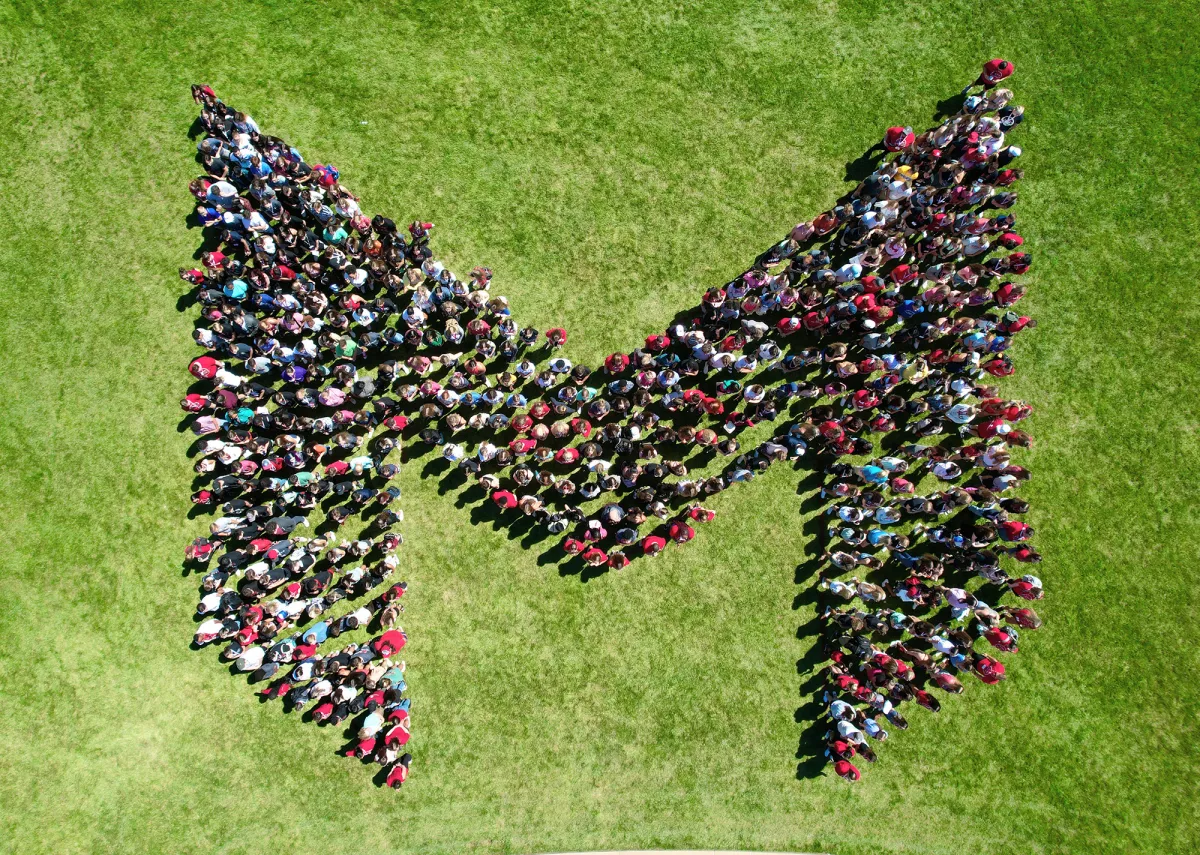 Photo: Maryville University, via www.maryville.edu
 Photo: Robert Morris University, via content.sportslogos.net
Which Games Actually Pay the Bills
Here's where strategy matters: not all games are created equal in the scholarship world. League of Legends dominates the landscape, with nearly every collegiate esports program fielding teams. Overwatch, Rocket League, and Counter-Strike follow close behind. If you're grinding Valorant, you're in luck — it's rapidly becoming a staple of college programs.
But here's the plot twist: some schools are getting creative with their offerings. Fortnite scholarships exist. Hearthstone has a collegiate scene. Even fighting games like Street Fighter and Super Smash Bros. are finding homes in university programs. The diversity is expanding faster than most people realize.
The Application Game Nobody Taught You
Here's where most talented players fumble the bag: they think skill alone will get them noticed. Wrong. College esports recruiting works more like traditional athletics than most students understand. You need highlight reels, statistics, and most importantly, you need to actively reach out to coaches.
Start building your portfolio now. Record your best gameplay moments. Track your rankings across seasons. Document your team leadership experience. College esports coaches are looking for the same qualities as traditional sports coaches: skill, coachability, and character.
The application timeline matters too. Most programs recruit year-round, but serious scholarship consideration typically happens between January and June for fall enrollment. Don't wait until senior year to start this process — coaches want to see consistent performance over time.
The Schools You Should Actually Know About
Let's talk specifics. University of California, Irvine has one of the most established programs, complete with a dedicated gaming arena. Harrisburg University offers scholarships across multiple titles and has produced professional players. Full Sail University treats esports like a legitimate career path, offering both scholarships and industry connections.
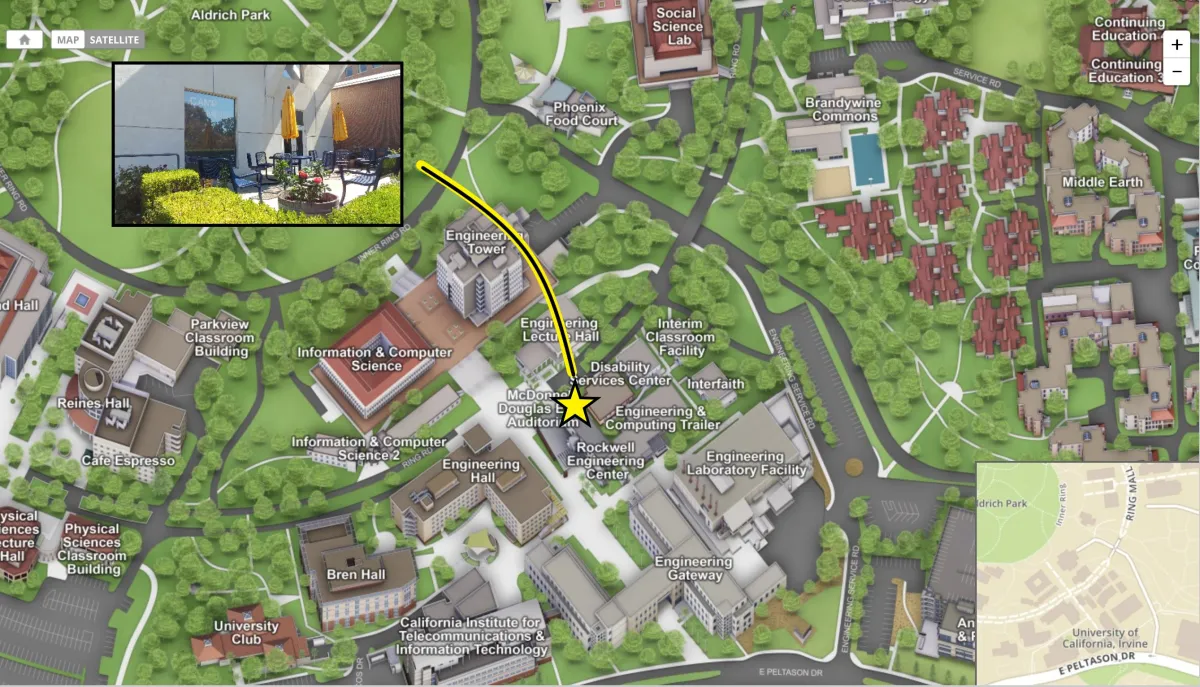 Photo: University of California, Irvine, via www.camp.uci.edu
But don't sleep on smaller schools making big moves. Trine University in Indiana offers substantial scholarships and has built a reputation for developing talent. Winthrop University in South Carolina has created a comprehensive program that rivals much larger institutions.
The geographic distribution is worth noting too. While coastal schools get the headlines, some of the most generous programs are in the Midwest and South, where cost of living is lower and scholarship dollars stretch further.
Beyond the Money: What You're Really Getting
Esports scholarships aren't just about free tuition — they're about infrastructure and opportunity. These programs offer dedicated practice facilities, professional-grade equipment, and coaching staff with industry experience. You're not just getting paid to play games; you're getting access to resources that can accelerate your development as a player and a person.
Many programs also emphasize the business side of gaming. You'll learn about content creation, event management, and the broader gaming industry. Some schools have direct partnerships with professional teams and gaming companies, creating internship and job placement opportunities that extend far beyond your college years.
The Reality Check Nobody Wants to Give You
Here's the truth bomb: being good at games isn't enough anymore. The competition for these scholarships is fierce and getting fiercer every year. You're competing against thousands of other talented players who are all figuring out this system.
GPA matters. Most programs have academic requirements that mirror traditional athletic scholarships. You can't just be a gaming prodigy with failing grades and expect colleges to throw money at you. The sweet spot seems to be around a 3.0 GPA minimum, though competitive programs often expect higher.
Communication skills are crucial. College esports is a team environment, and coaches need players who can work effectively with others, take feedback, and represent their school positively. If you're the type of player who tilts in ranked and flames teammates, work on that before you start reaching out to college coaches.
The Action Plan for Right Now
Stop reading and start doing. Create accounts on NACE's recruiting platform and other esports recruiting websites. Research which schools offer programs in your games of choice. Start recording your gameplay and building a portfolio that showcases your skills and personality.
Reach out to current college esports players and coaches. Most are surprisingly accessible and willing to share advice. Join amateur tournaments and leagues that college scouts actually attend. Build your reputation in the competitive community, not just the ranked ladder.
Most importantly, treat this seriously. The students getting these scholarships aren't just talented — they're approaching esports recruiting with the same professionalism as traditional student-athletes. They're networking, practicing with purpose, and presenting themselves as investments worth making.
The Future Is Bigger Than You Think
Esports scholarships are just the beginning. As the industry continues growing, these programs are expanding their offerings and increasing their scholarship pools. What exists today is likely a fraction of what'll be available in five years.
The students getting in on this now aren't just saving money on college — they're positioning themselves at the forefront of a rapidly evolving industry. The networking opportunities, industry connections, and professional development available through these programs create value that extends far beyond the scholarship dollar amount.
Your gaming skills might already be scholarship-worthy. The question is whether you'll figure out how to leverage them before someone else takes your spot. The opportunity is real, the money is substantial, and the application process starts now. Time to level up your approach to college funding.