Digital Graveyards: When Gaming's Biggest Hits Become Tomorrow's Ghost Towns
There's something deeply melancholy about logging into a game that once buzzed with millions of players, only to find yourself alone in a digital wasteland. The servers are still running, the graphics still shine, but the soul of the community has long since departed, leaving behind empty lobbies and echoing voice channels.
Welcome to gaming's digital graveyards — once-thriving virtual worlds now populated by nothing but memories and the occasional nostalgic wanderer.
The Titans That Fell: When Giants Become Ghosts
Anthem: The $100 Million Ghost Town
BioWare's Anthem was supposed to be the Destiny killer, backed by EA's massive marketing budget and the studio's legendary reputation. At launch in 2019, it peaked at over 2 million concurrent players across all platforms. Today? You'll be lucky to find 200 people online at any given time.
The collapse was swift and brutal. Technical issues plagued the launch, but the real killer was the content drought. Players burned through everything the game had to offer in about 20 hours, then sat around waiting for new content that never came. EA pulled the plug on major development in 2021, leaving behind a beautiful but empty world that feels like exploring a museum after closing time.
Logging in today is genuinely eerie. The gorgeous environments and slick flying mechanics are still there, but you'll spend most of your time in empty lobbies waiting for matchmaking that might never find enough players to start a mission.
Evolve: The Asymmetrical Darling That Couldn't Evolve
2K's Evolve had everything going for it in 2015: innovative 4v1 gameplay, stunning visuals, and genuine excitement from the gaming community. The concept was brilliant — four hunters tracking down one player-controlled monster in tense, cat-and-mouse gameplay.
At its peak, Evolve boasted over 250,000 concurrent players. The community was passionate, with dedicated streamers and competitive tournaments. Then the DLC controversy hit like a meteor.
2K's aggressive monetization strategy — $15 for individual hunters, $25 for monster packs — fractured the player base and generated massive backlash. The game went free-to-play in 2016 in a desperate attempt to revive interest, but by then the damage was done. The servers officially shut down in 2018.
What made Evolve's death particularly tragic was how innovative the core gameplay was. Nothing before or since has quite captured that same asymmetrical tension. The community didn't leave because the game was bad — they left because they felt betrayed by the business model.
Lawbreakers: The Gravity-Defying Flop
Cliff Bleszinski's Lawbreakers was supposed to be the arena shooter revival that would bring back the glory days of Quake and Unreal Tournament. The game had solid mechanics, unique zero-gravity gameplay, and backing from Nexon.
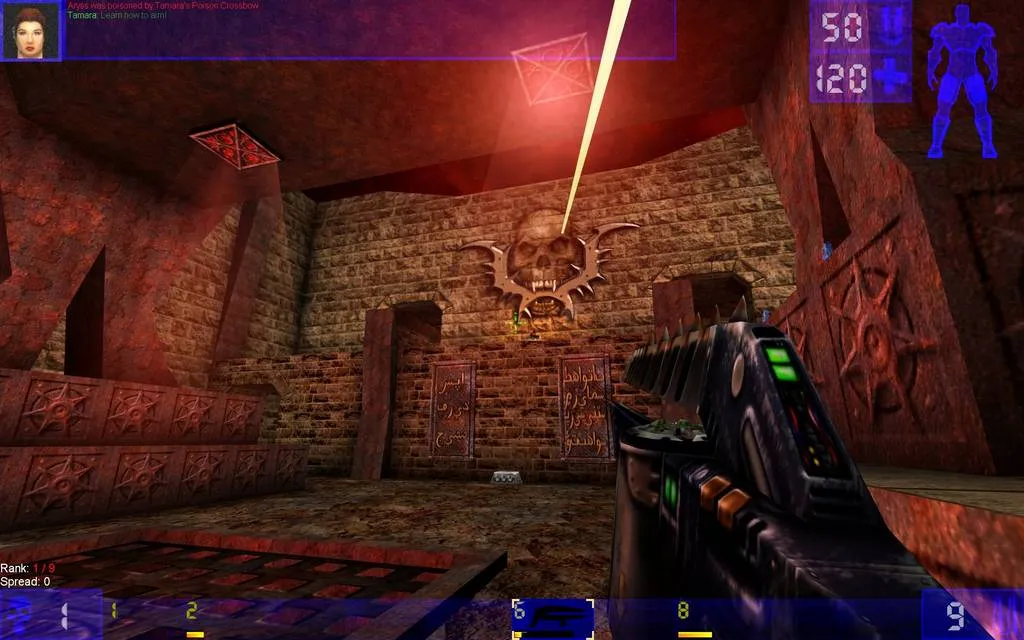 Photo: Unreal Tournament, via lutris.net
It launched in 2017 to critical acclaim and... complete commercial indifference. Peak concurrent players on Steam never exceeded 7,500, and within six months, finding a match took longer than actually playing one. The servers shut down permanently in 2018, just 14 months after launch.
Lawbreakers died not because it was terrible, but because it launched into an oversaturated market dominated by Overwatch and PUBG. Sometimes timing is everything, and Lawbreakers arrived at exactly the wrong moment in gaming history.
The Slow Fade: Communities That Died by a Thousand Cuts
Titanfall: The Franchise That Could Have Been
Titanfall 2 is widely regarded as one of the best FPS campaigns ever made, with multiplayer that perfectly balanced pilot mobility and titan combat. The problem? It launched between Battlefield 1 and Call of Duty: Infinite Warfare in 2016, getting crushed by the competition.
The community never quite recovered from that disastrous launch window. Despite critical acclaim and passionate fans, player counts steadily declined. EA's focus shifted to Apex Legends, effectively abandoning the Titanfall community that had stuck with them through thick and thin.
Today, you can still find matches in Titanfall 2, but it's a shadow of what it once was. The remaining players are incredibly skilled — probably too skilled for most newcomers to enjoy — creating a barrier to entry that prevents new blood from joining the community.
Paragon: Epic's Forgotten MOBA
Before Fortnite consumed Epic Games' attention, they were working on Paragon, a third-person MOBA with gorgeous graphics and innovative gameplay mechanics. The community was small but dedicated, with players investing hundreds of hours perfecting their strategies.
Then Fortnite exploded, and Epic made the business decision to shut down Paragon and move all development resources to their battle royale goldmine. The servers closed in 2018, leaving behind a community that felt abandoned for the sake of chasing trends.
What made Paragon's death particularly painful was that Epic actually refunded all player purchases — a classy move that somehow made the loss feel even worse. The community didn't lose money, but they lost their virtual home.
The Human Cost of Digital Abandonment
These aren't just games that failed — they're communities that died. Behind every empty server were real friendships, shared experiences, and countless hours of human investment.
I talked to former Evolve player Marcus Chen, who spent over 800 hours in the game and was part of a competitive team. "We had practice sessions three nights a week," he told me. "These weren't just gaming buddies — these were real friends. When the servers shut down, we lost our meeting place."
The psychological impact goes beyond nostalgia. Players invest time, money, and emotional energy into these virtual spaces. When publishers pull the plug, they're not just shutting down servers — they're demolishing communities.
What Kills a Gaming Community?
Publisher Neglect
The most common cause of death is simple abandonment. When publishers stop updating games or supporting communities, players drift away to more actively developed alternatives.
Toxic Monetization
Aggressive DLC strategies and pay-to-win mechanics can poison a community faster than any technical issue. Players will tolerate bugs, but they won't tolerate feeling ripped off.
Market Oversaturation
Sometimes great games die simply because there are too many alternatives. The attention economy is brutal, and even excellent games can get lost in the noise.
Technical Issues
Persistent server problems, cheating epidemics, or fundamental gameplay imbalances can drive away players faster than communities can adapt.
The Lessons We Should Learn
These digital graveyards teach us something important about the social contract between developers and players. When you ask people to invest hundreds of hours in your virtual world, you're accepting responsibility for that community's wellbeing.
The most successful online games — World of Warcraft, Counter-Strike, League of Legends — understand this. They've maintained their communities through decades of changes because they recognize that players aren't just customers — they're residents of virtual worlds.
As gaming becomes increasingly live-service focused, we need better protections for communities. Maybe that means server transition plans when games shut down, or community tools that let players maintain their own servers.
Because at the end of the day, these ghost towns represent more than failed business ventures. They represent lost homes, broken friendships, and the fragile nature of digital communities in an industry that too often treats them as disposable.
The next time you find yourself in an empty lobby of a once-great game, take a moment to remember what was lost. These digital graveyards deserve better than to be forgotten.