Controllers and Community: The Gaming Lounges Saving America's Social Soul
The Third Place We've Been Looking For
Somewhere between the decline of bowling alleys and the death of local coffee shops, America lost something crucial: places where strangers could become friends over shared interests. We've been mourning the loss of "third places" — those spaces between home and work where communities actually form.
Turns out, we weren't looking hard enough. The new American gathering place doesn't serve beer and wings (though some do). It serves up split-screen sessions and tournament brackets, and it's quietly revolutionizing how we think about public space in the digital age.
Welcome to the gaming lounge boom — where controllers are the new pool cues, and "good game" is the new "cheers."
From Dead Malls to Digital Dreams
Drive through any American suburb and you'll see the casualties of retail's apocalypse: empty GameStops, shuttered RadioShacks, and malls that echo with the ghosts of Spencer's and Hot Topic. But look closer, and you'll spot something unexpected sprouting in these commercial graveyards.
Gaming lounges are taking over failed retail spaces with the enthusiasm of digital pioneers claiming new territory. These aren't the dingy internet cafés of the early 2000s — they're sophisticated community centers that happen to run on electricity and ethernet cables.
Take "Respawn Gaming Lounge" in Phoenix, which opened in a former Borders bookstore. Owner Marcus Thompson saw opportunity where others saw obsolescence. "Books brought people together around stories," he explains. "We're doing the same thing, just with interactive stories."
The transformation is remarkable. Where dusty bookshelves once stood, rows of high-end gaming PCs hum quietly. The former café area now hosts fighting game tournaments every Thursday. The old magazine section? That's where parents wait while their kids learn teamwork through Overwatch.
Not Your Basement Gaming Experience
Forget everything you think you know about gaming spaces. The new generation of gaming lounges makes Apple Stores look cluttered.
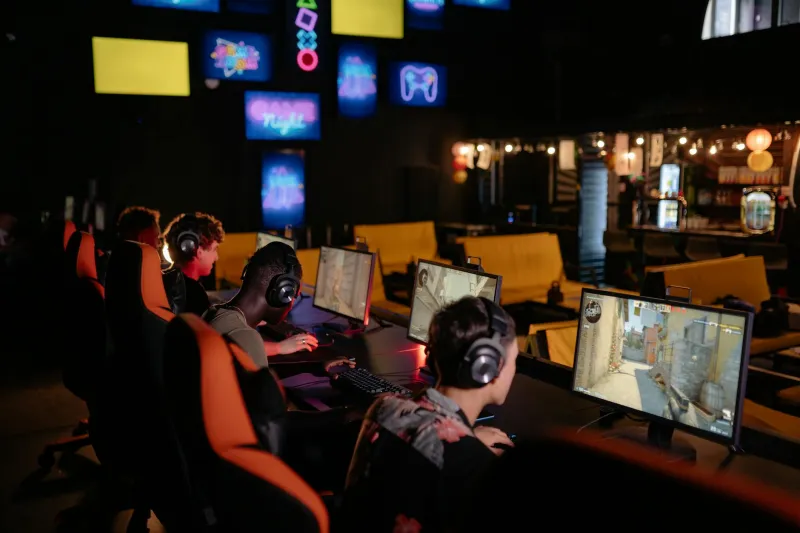
Walk into "Level Up Lounge" in Austin, Texas, and you're greeted by clean lines, professional lighting, and the kind of interior design that would make a tech startup jealous. The gaming stations are spaced for comfort, not maximum capacity. The chairs cost more than most people's entire gaming setup.
But here's what really sets these places apart: they're designed for everyone, not just the hardcore crowd. "We get soccer moms trying VR for the first time, grandparents learning to play with their grandkids, and first dates where couples discover they're both secretly competitive," says owner Jennifer Walsh. "Gaming becomes the excuse to hang out, not the only reason."
The demographic mix would surprise you. Sure, there are teenagers grinding ranked matches, but they're sharing space with business professionals unwinding after work, college students on study breaks, and families treating gaming like they used to treat mini golf.
The Economics of Fun
The business model is surprisingly robust. Most lounges charge by the hour (typically $5-15), with discounts for longer sessions and memberships. Food and drink sales provide additional revenue, and many host private parties, corporate events, and birthday celebrations.
But the real money is in community building. Regular customers become invested in "their" lounge, showing up for weekly tournaments, bringing friends, and treating the space like a second home. Customer lifetime value rivals traditional entertainment venues, but with better margins and more predictable traffic.
"People think we're selling gaming time," explains David Park, who runs three lounges across the Dallas area. "We're actually selling social experiences. The games are just the medium."
The numbers back this up. The average customer visits 2.3 times per month and brings 1.7 additional people per visit. Word-of-mouth marketing is organic and powerful — when someone discovers their new favorite hangout spot, they can't wait to share it.
Building Community, One Match at a Time
What makes gaming lounges special isn't the technology — it's the social alchemy that happens when you put strangers in the same room with shared interests and friendly competition.
Every lounge has stories. The shy kid who found confidence through tournament victories. The couple who met during a co-op campaign and got married two years later. The veteran dealing with PTSD who found community through online friends who became real friends.
At "Game On Lounge" in Denver, owner Sarah Kim has watched her space become a genuine community hub. "We've had job interviews happen here, business partnerships form over StarCraft matches, and support groups that started as gaming sessions," she says. "People come for the games, but they stay for each other."
The competitive scene drives much of this community building. Local tournaments create heroes and villains, rivalries and friendships. Regular players develop reputations, and newcomers get inducted into ongoing storylines that feel like soap operas with better graphics.
More Than Just Games
Smart lounge owners recognize they're in the community business, not just the gaming business. Many host non-gaming events: board game nights, movie screenings, tech workshops, and even career fairs focused on gaming industry jobs.
"Pixel & Pint" in Seattle combines gaming with craft beer and live music. "Code & Coffee" in Portland offers morning sessions for remote workers who want to game during lunch breaks. "Family Gaming Center" in Orlando has dedicated areas for different age groups, so parents and kids can play together without disturbing serious competitors.
The most successful lounges become cultural anchors for their neighborhoods. They sponsor local esports teams, host charity fundraisers, and partner with schools for educational gaming programs. They're not just businesses — they're institutions.
The Anti-Digital Digital Space
Here's the beautiful irony: gaming lounges use digital technology to create analog human connections. In an era when online gaming often feels isolating despite being technically social, these spaces bring back the fundamental joy of sharing experiences with people in the same room.
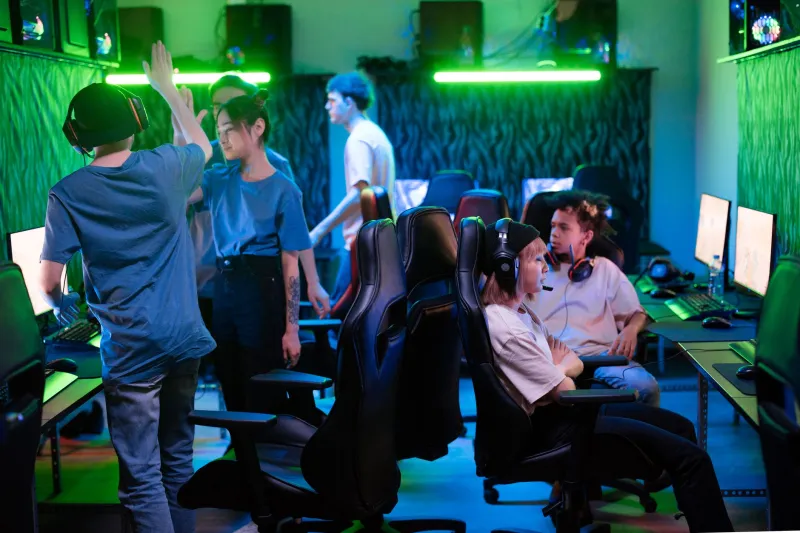
The trash talk is friendlier when you have to look someone in the eye. Victories are sweeter when celebrated with high-fives. Defeats sting less when your opponent offers genuine encouragement. The human element transforms gaming from a solitary pursuit into a communal celebration.
Young people especially crave this kind of authentic social interaction. They've grown up with digital communication but often lack practice with face-to-face connection. Gaming lounges provide a safe, structured environment for developing social skills while doing something they already love.
The Future of Hanging Out
Gaming lounges represent something larger than just a business trend — they're a response to America's loneliness epidemic. They prove that people still want to gather in physical spaces, still want to share experiences with strangers, still want to be part of something bigger than themselves.
The pandemic could have killed this trend before it started, but instead it accelerated it. People emerged from lockdown hungry for in-person connection, and gaming lounges provided exactly what they needed: structured social interaction with built-in conversation starters and shared goals.
As VR technology improves and becomes more accessible, these spaces will likely evolve into mixed-reality social clubs where digital and physical experiences blend seamlessly. But the core appeal will remain the same: real people, real relationships, and real community built around shared passion.
The gaming lounge boom isn't just about finding new uses for dead retail space. It's about rediscovering the fundamental human need to gather, compete, celebrate, and connect. In a world that often feels increasingly divided and isolated, these spaces offer something precious: proof that strangers can still become friends, and that community can still form around the simple joy of playing together.
Your local gaming lounge might not serve alcohol, but it's serving something just as important: hope for human connection in the digital age. And honestly? That's exactly what America needs right now.