Put Down the Controller and Back Away From the Brand Loyalty — Gaming Just Won
Put Down the Controller and Back Away From the Brand Loyalty — Gaming Just Won
Let me paint you a picture. It's 2007. You're in a middle school cafeteria in Ohio, and some kid dares to say he thinks Halo is overrated. Within seconds, the table is divided. Alliances are formed. Chocolate milk is spilled. Friendships? Tested.
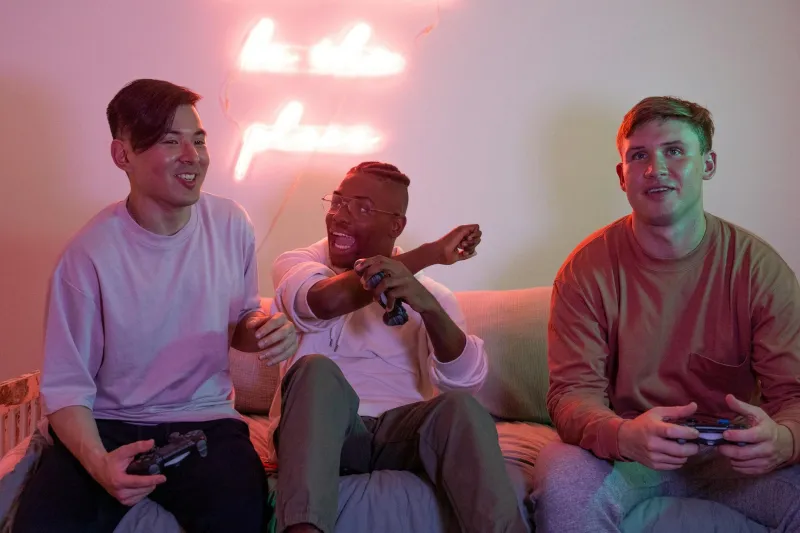
Fast forward to 2024, and that same kid is probably playing Sea of Thieves on his Xbox in the morning, firing up Spider-Man 2 on his PS5 after dinner, and staying up way too late on a Nintendo Switch during a flight to Vegas. Nobody bats an eye. Nobody calls him a traitor. And honestly? Good. Because the console war — that loud, exhausting, deeply unnecessary conflict that dominated gaming culture for decades — is finally, mercifully over.
And gaming has never looked better.
The Scoreboard Nobody Wanted to Check
Here's the thing about the console wars: they were always a bit of a marketing illusion dressed up as a cultural movement. Sony, Microsoft, and Nintendo wanted us fighting each other because engaged tribalism meant guaranteed hardware sales. If your entire identity was wrapped up in that little PlayStation logo, you weren't exactly going to pick up a GameCube for Christmas.
But the numbers in 2024 tell a very different story. Microsoft's Game Pass now boasts over 34 million subscribers globally, a figure that essentially reframes Xbox not as a piece of plastic you pledge allegiance to, but as a service you subscribe to — like Netflix, but the content actually slaps. Meanwhile, Nintendo Switch has sold over 140 million units worldwide, quietly becoming one of the best-selling consoles in history while everyone was busy arguing about teraflops. And PlayStation? Still printing money with exclusives, but even Sony has started releasing titles on PC, quietly acknowledging that walls between platforms are bad for business.
The market isn't picking sides anymore. It's picking everything.
Cross-Play Changed the Conversation
If you want to identify the single mechanic that drove a stake through the heart of console tribalism, look no further than cross-play. When Fortnite forced the industry's hand back in 2018 and PlayStation finally — reluctantly — opened its walls to cross-platform play, something shifted in the culture. Suddenly, your squad didn't need to own the same box. Your college roommate on Xbox could run duos with you on PS5. Your cousin in Atlanta on PC could drop into the same lobby.
When the gameplay experience becomes platform-agnostic, the argument for loyalty to any one brand starts sounding less like passion and more like stubbornness. Warzone, Minecraft, Rocket League, Among Us — these aren't just games, they're cultural connective tissue, and they don't care what logo is on your console.
The result? A generation of US gamers who are increasingly defined by the games they love rather than the hardware they own. That's a massive vibe shift.
The Indie Wildcard Nobody Saw Coming
While the big three were busy chest-bumping each other over exclusive deals and console specs, the indie scene quietly became the most exciting place in gaming. And indie games, almost by definition, don't play favorites.
Hades, Hollow Knight, Stardew Valley, Celeste, Dave the Diver — these titles didn't need a $200 million marketing budget or a console war to prop them up. They spread through word of mouth, through TikTok clips, through Discord servers and Twitch streams. They showed up on every platform, grabbed every type of gamer, and reminded us all that the best experiences in this medium have nothing to do with which corporation you're rooting for.
In 2023 alone, indie games accounted for a massive slice of digital storefronts across Steam, the Nintendo eShop, and the PlayStation Store. The audience for these games is diverse, cross-platform, and deeply engaged — and they're not out here arguing about exclusives. They're just playing great games.
The Glow-Up of the Average US Gamer
American gaming culture in 2024 looks genuinely different from what it did even five years ago. The demographic has expanded dramatically — more women, more older players, more people who came to gaming through mobile and casual titles before graduating to consoles and PC. These new players didn't grow up in the trenches of the console wars, and they have zero interest in re-litigating them.
According to the Entertainment Software Association, over 190 million Americans play video games regularly. That's not a niche hobby anymore. That's a majority pastime. And when something becomes that mainstream, the gatekeeping — including the "you can only be a REAL gamer if you own THIS console" energy — starts to look embarrassingly small.
Streaming culture accelerated this further. When you watch someone play a game on Twitch or YouTube, you're not watching a PlayStation or an Xbox. You're watching a person, a game, and a moment. The hardware is invisible. The experience is everything.
Leveling Up Means Leaving the Tribalism Behind
Look, I'm not here to tell you not to have a favorite console. Love your PS5. Ride hard for your Switch. Collect every Xbox accessory Microsoft has ever manufactured — I respect the commitment. Preferences are valid and brand loyalty, when it's genuine, is kind of wholesome.
But the version of console fandom that required you to hate the other platforms? The energy that made gaming feel like a team sport where the goal was dunking on the other side rather than, you know, playing great games? That needed to go. And it did.
The result is a gaming ecosystem where the best content wins. Where a small indie studio in the Pacific Northwest can make a game that outsells a AAA blockbuster. Where your Game Pass subscription gives you access to hundreds of titles without a loyalty test at the door. Where cross-play means your squad is your squad regardless of what box they're sitting in front of.
The console war is over. Nobody really won. And gaming? Gaming leveled all the way up.
DeShawn Merritt covers gaming culture, industry trends, and the occasional deep-dive into why certain games just hit different. Find more takes at levelupwire.com.